Manchester United's Resurgence Under Carrick: A New Era Begins
Sir Alex Ferguson walked away 13 years ago with 13 league titles, a European crown and the sense that he was leaving Manchester United with a dynasty, not a dilemma. The Theatre of Dreams felt built to last.
It didn’t.
The succession line of David Moyes, Louis van Gaal, Jose Mourinho, Erik ten Hag and Ruben Amorim has stumbled rather than strode, each man confronting the same brutal reality: while United searched for themselves, Manchester City grew into the superpower next door. The “noisy neighbours” became the benchmark.
Now, at last, there is a different noise around Old Trafford.
Carrick’s reset
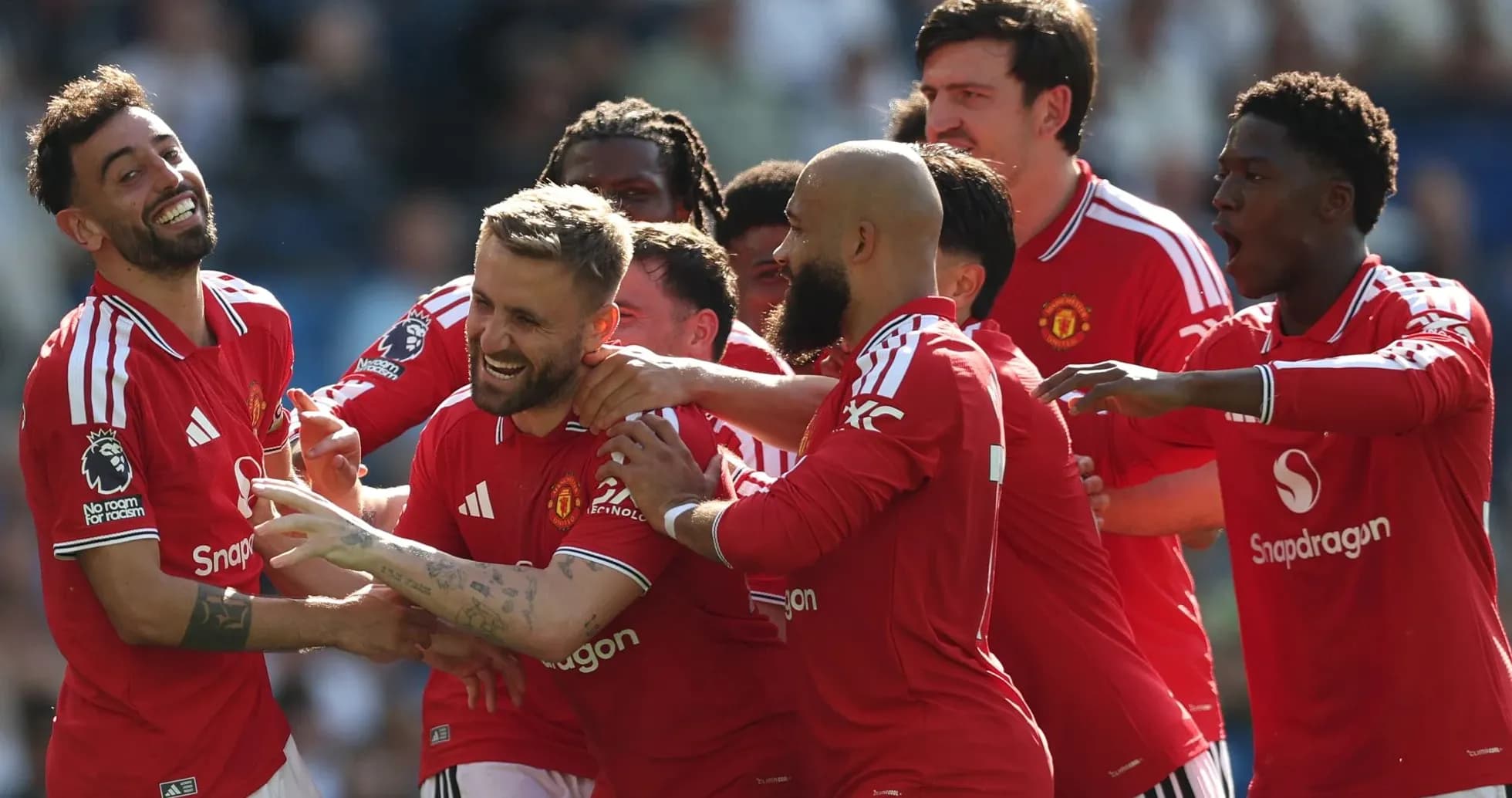
The 2025-26 season marked a subtle but important turn. Michael Carrick, once the metronome in Ferguson’s midfield and a winner of five league titles under the Scot, stepped in as interim manager and immediately steadied a listing ship. Results picked up, the mood lifted, and the club’s hierarchy responded with a two-year deal.
Hope has crept back into the red half of Manchester. Not the bombastic, title-or-bust declarations of old, but something more grounded: a belief that with smart work in this summer’s transfer window, United could at least start aiming at the very top of the 2026-27 Premier League table again.
Not everyone is ready to go that far.
Gary Pallister, a title-winning defender from Ferguson’s first great side, sees the progress but also the gap. Speaking to GOAL, he cut through the romanticism.
“I think a couple of signings can make a huge difference. Do I think they're in line for a title challenge? My honest opinion at the moment would be no, I don't think so. I think we've still got a bit of building to do.”
That is the reality check. United are better. United are not yet back.
Pallister has been impressed by Carrick’s impact, but he is not dressing it up as a tactical revolution.
“I don't think the team was brilliant,” he admitted. Certain performances did stand out, though. “I think we had two or three games, the Man City game sticks out at home, where we played really well. A couple of games at the end of the season where we played really well and won comfortably.”
The difference, in his eyes, has not been flair. It has been fibre.
“What I think he's brought to the team is a resilience and that kind of fight for the badge and fight for the club and bring a little bit more of that, as Ole [Gunnar Solskjaer] did when he came in.”
Carrick has reconnected the dressing room with the shirt. That matters at Old Trafford, perhaps more than anywhere else.
Now comes the hard part.
The next step – and the transfer test
Feel-good energy only carries a manager so far. Recruitment decides whether a resurgence becomes a title tilt or just another brief uptick in a decade of drift.
“But now we've got to give Michael a chance to bring his own players in,” Pallister said. “He's assessed everything. Give him the chance to bring some quality players in and see where that takes us. He's brought a feel-good factor back to United. The fans can feel that. I'm sure the players are feeling that. Now we're going to see whether he can take the next step.”
That “next step” will be shaped by who comes through the door – and who walks out of it.
Few situations are as intriguing, or as delicate, as Marcus Rashford’s.
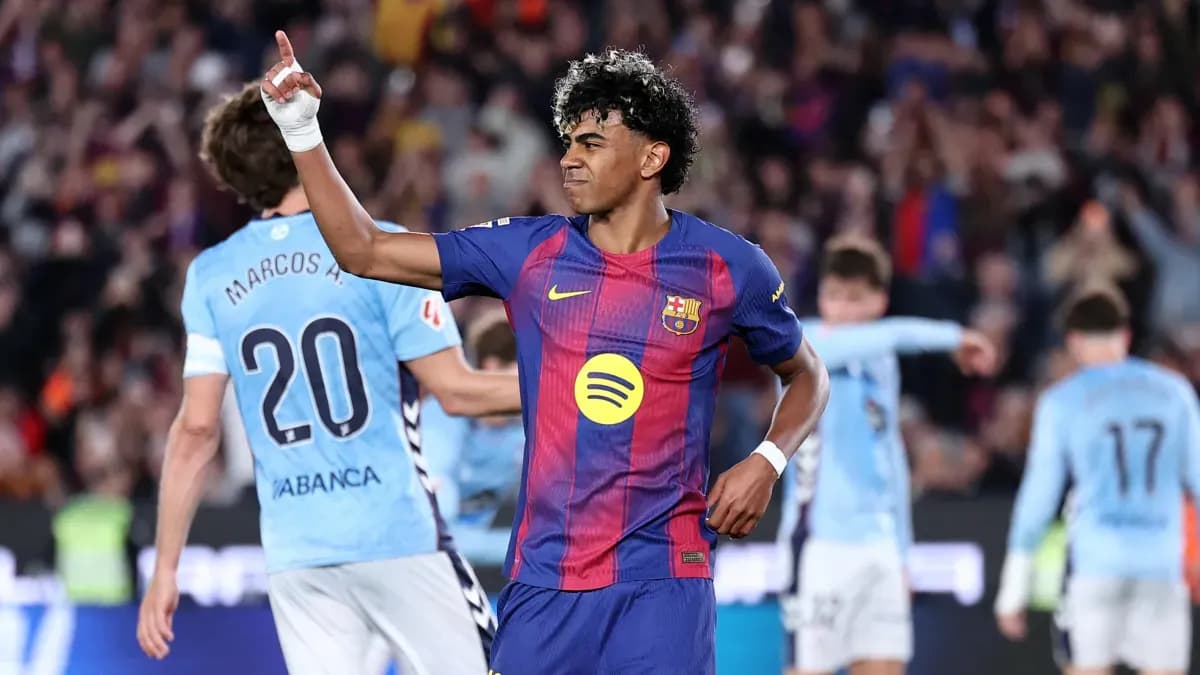
The academy product, once the poster boy of the club’s future, spent last season on loan at Barcelona. A permanent move has been heavily discussed, yet nothing is signed. For now, every option remains on the table: sale, return, reintegration.
Rashford is currently on World Cup duty with England, his club future hovering in the background. The question lingers: is there a way back for him at Old Trafford?
Pallister has been clear in the past. “I've gone on record as saying I wouldn't bring him back,” he said. But Carrick’s presence complicates the equation.
“The difference now is that Michael Carrick's worked with him. Michael Carrick knows his personality. Michael Carrick knows whether he can get something out of him if he does come back.”
That relationship could be decisive. Manager and player know each other. They have shared a dressing room, shared pressure, shared expectations of what “being United” is supposed to look like.
“Would Marcus want to come back?” Pallister asked. “Has he been quoted in the past saying he's happy to stay away? He's a quality player. He's a United lad. If you could bring back the Marcus of two or three years ago, then it would be a no-brainer. The way it ended, I'm not so sure whether there is a way back for him.”
This is not just about goals or assists. It is about attitude, body language, the way a player carries the weight of the shirt.
“Managers with different players can have their own feel on it,” Pallister added. “If Michael feels as though he can turn Marcus round in terms of his personality and his body language on the pitch and get him playing as he was playing for Manchester United in his early years, then he surely would be a bonus for Manchester United. I think there would have to be a lot of talking between the two before that happened.”
Carrick, then, stands at a crossroads that will define his early reign. His United have rediscovered resilience and a connection with the fans. The stadium feels alive again. But the club has been here before, on the edge of something, only to slip back into old habits.
This summer will reveal whether the new manager is building a contender or just another promising interlude in the long search for a true heir to Ferguson.