Lionel Messi Shows Pride Despite Argentina's World Cup Defeat
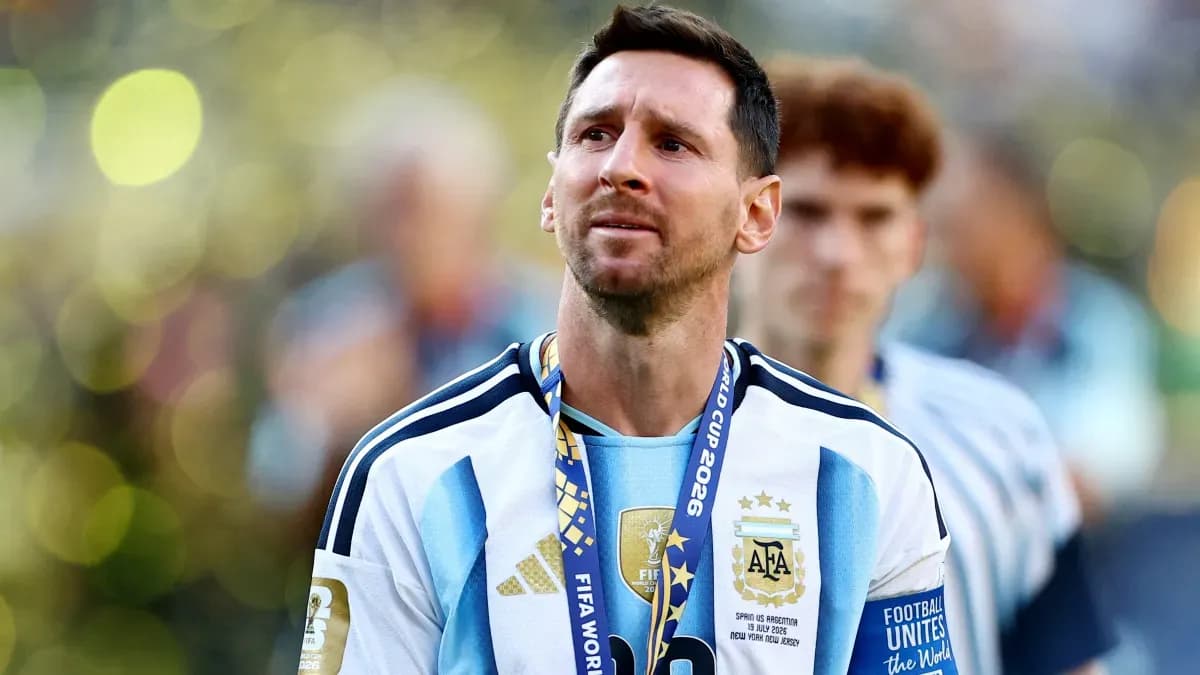
At the conclusion of the World Cup final held in East Rutherford, New Jersey, Lionel Messi stood before the Argentine supporters with tears streaming down his face. Yet these tears seemed less about sorrow or frustration and more like those of someone reflecting on a remarkable journey, proud of the accomplishments despite knowing the end is near.
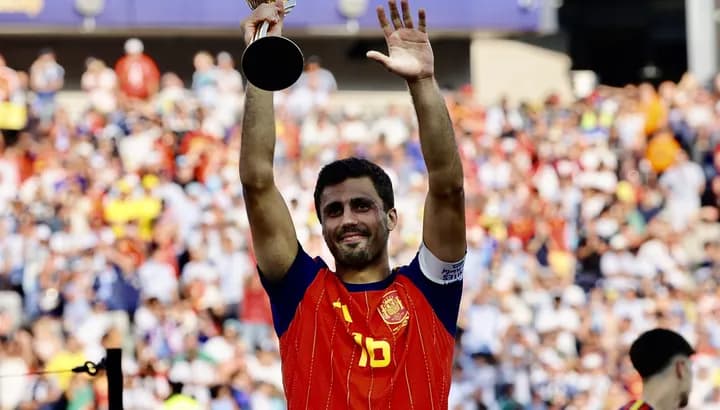
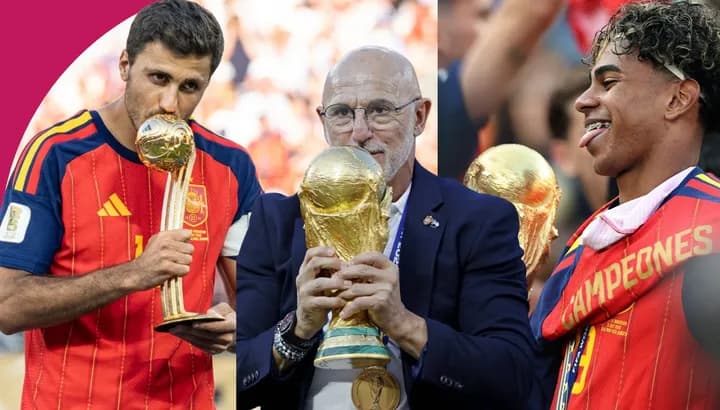
If Argentina had won against Spain in extra time, the scene would have looked similar, except Messi would be wearing a gold medal instead of silver, and the smiles around him would have been more frequent. Spain’s victory came from a carefully crafted goal by substitute striker Fernan Torres, securing a 1-0 win.
Argentina’s Quest for Back-to-Back World Cups
The team sought a feat unseen in men’s international soccer for 60 years: winning consecutive World Cups. Messi aimed to join a legendary group—Garrincha, Pele, Ronaldo—who managed multiple tournament wins. Few greats like Zidane, Beckenbauer, or Maradona have achieved this twice, underscoring how difficult it is.
Messi’s relationship with the U.S. has mostly been positive, marked by moments such as his time at Inter Miami, triumphs in Copa America tournaments, and a dazzling World Cup run. Still, this stadium has been a tough place for him. In both the 2016 Copa America final and Sunday’s World Cup final, Argentina failed to score during 120 minutes, highlighting an odd coincidence in this venue.
MetLife Stadium's Unlucky Shadow
This site once saw Messi announce his retirement after losing four straight finals, including three Copa Americas and the 2014 World Cup final. That brief retirement ended quickly, leading to three major titles in the following decade and 70 goals scored, ranking him among the top 25 male international scorers.
The defeat here was further marked by an incident after the match when midfielder Leandro Paredes received a red card due to a heated exchange sparked by a taunt referencing Messi’s missed chance. Defender Lisandro Martinez explained that emotions were raw after such a loss, and while football is emotional, respect should still prevail post-match.
Uncertain Futures and Reflections
Whether this match was Messi’s final appearance for Argentina remains unclear. Coach Lionel Scaloni declined to comment directly, his own contract ending this year after guiding the team through four finals and earning three trophies. Both men may be weighing their next steps, with Messi openly expressing his need for time to consider his future.
“It was a dream to play for everyone,” said Scaloni, “and we’ve tried up until the very last minute to give our utmost. I believe it’s only fair that I can take this time for myself to think this thing through. This place is wonderful. It is a dream.”
Messi’s record is impressive: one World Cup win, two finals appearances, two Copa America titles, five finals, 207 caps, and 125 goals. Fans lingered long after the final whistle, perhaps reluctant to accept they might not see the iconic number 10 in Argentina’s colors again.
Scaloni suggested that reaching a final, even if ending in defeat, could still represent success, though not everyone might agree. This squad showed resilience, pulling off comebacks against Egypt, England, and Cabo Verde, proving their competitive spirit.
Against Spain, Argentina struggled offensively, failing to register a shot on goal and managing only one attempt inside the box late in the game. The venue may have played a subtle role, but it’s hard to say if a different stadium would have changed the outcome.