Klopp Dismisses Germany National Team Talk After World Cup Exit
Germany’s World Cup campaign ended on a penalty spot and a fault line.
Knocked out in the round of 32 by Paraguay after a chaotic 4-3 shootout defeat in Boston, the four-time world champions walked straight back into a familiar storm: a national inquest, a coach under fire, and the inevitable question. Is this the moment for Jurgen Klopp?
He answered it himself. And he closed the door. For now.
“Not the right moment”
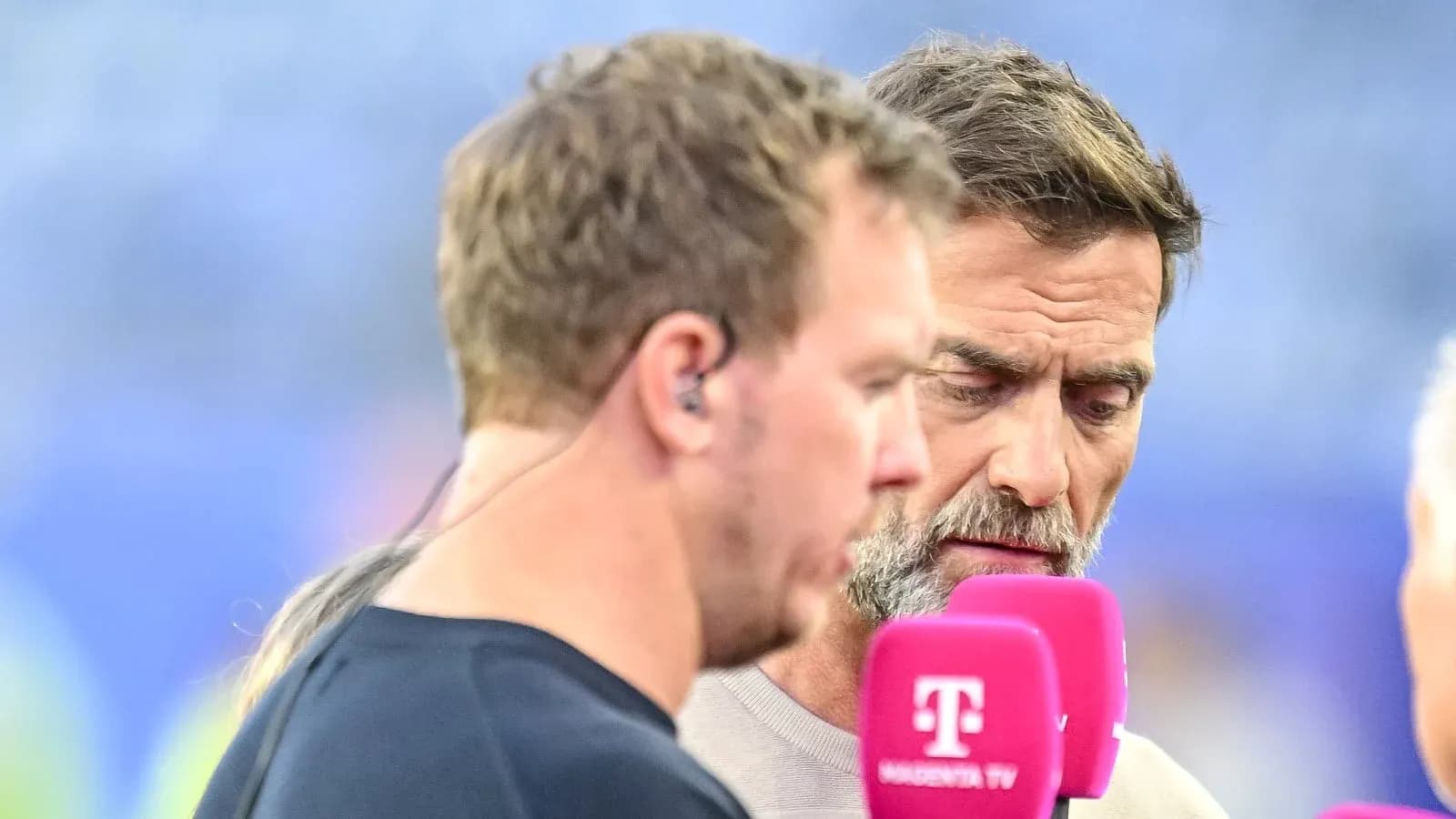
Working as a pundit for MagentaTV, Klopp watched the drama unfold, then watched the conversation turn towards him. Bild carried his response, and it was as firm as it was empathetic.
"I haven’t thought about that yet," he said when asked what would have to happen for him to consider the national-team job.
He has lived this kind of night before. The broken dream. The stunned dressing room. The search for a scapegoat.
"I’ve often been in that situation myself as a coach, where a big dream has been shattered," he added. "I understand that when people talk about the national coach, my name is mentioned. But it’s not the right moment to talk about it, especially not with me."
Klopp, now Red Bull’s head of global soccer after his Liverpool exit, made it clear his current role is no casual side gig.
"I have a job that I really enjoy. And as far as I know, it’s not a part-time job. The fact is, Germany was eliminated today, and this is not the moment for me to think about Jurgen Klopp’s future."
Germany’s future, though, is another matter entirely.
Germany fall again on the big stage
On paper, this tournament had started with a degree of control. Germany topped Group E despite a 2-1 defeat to Ecuador in their third match. It was not sparkling, but it was stable enough to fuel the belief that the knockout rounds might finally look different after a decade of major-tournament stumbles.
Paraguay ripped that illusion apart.
In Boston, Julio Enciso struck first, punishing Germany and tilting the night into that jittery territory they know too well. Kai Havertz dragged them back, levelling the tie and briefly restoring order. The game ground into extra time, heavy-legged, tense.
Jonathan Tah thought he had become the unlikely saviour, rising to head in what looked like the winner. VAR intervened. Goal disallowed. Another German tournament, another pivotal moment going against them.
The match staggered to penalties. What followed felt less like a lottery and more like a slow unravelling.
Havertz, usually so composed, missed from the spot. Nick Woltemade followed him with another failure. Paraguay blinked too: Antonio Sanabria and Fabian Balbuena both squandered match-winning chances. Germany survived once, twice, but never settled.
Then came the final twist. Tah, already burned by VAR, missed the target. Jose Canale stepped up in sudden death and buried it. Paraguay through. Germany out. Again.
Nagelsmann stays fighting
Within minutes, the debate had moved on from missed penalties to the man on the touchline. Julian Nagelsmann, hired to modernise and energise the national team, now stands in the familiar crosshairs of a disappointed football nation.
He did not flinch.
"I’m not one to run away," he told reporters in his post-match press conference. There was no hint of a resignation speech, no attempt to protect his reputation by walking first.
"It’s not the first time, but it’s been happening for a while now that we’ve been delivering tournaments like this and yes, there are certainly a few basic things that I don’t want to go into now," he said, hinting at deeper structural issues without airing them in public.
"I’m not one of those people who sits here and says, 'I’m resigning now, just because we’ve been eliminated’. If the DFB wants me to continue then I’ll continue and if they don’t want me to, then they can tell me that."
No drama. No grand gesture. Just a clear message: if the German FA wants change, it will have to be the one to pull the trigger.
Havertz: “Something was always missing”
On the pitch, the faces told their own story. Havertz, again one of Germany’s central figures, cut a hollow figure in the aftermath. His words, reported on FIFA’s website, carried the weight of a player who has seen this film too many times.
"I’m a little lost for words. This is my second World Cup and both times it came to nothing," he said.
"All I can do is apologise. I thought we didn’t play bad football at the last few tournaments, but something was always missing. And it was the same today."
Then came the line that will echo longest in any debate about Nagelsmann’s future.
"We have to take a hard look at ourselves, especially the players, and I’m leaving the coach out of that."
Responsibility, he insisted, lies first with those on the pitch.
Gakpo’s goal, and grief, laid bare
On another field, in another last-32 tie, football’s emotional extremes played out in even starker fashion.
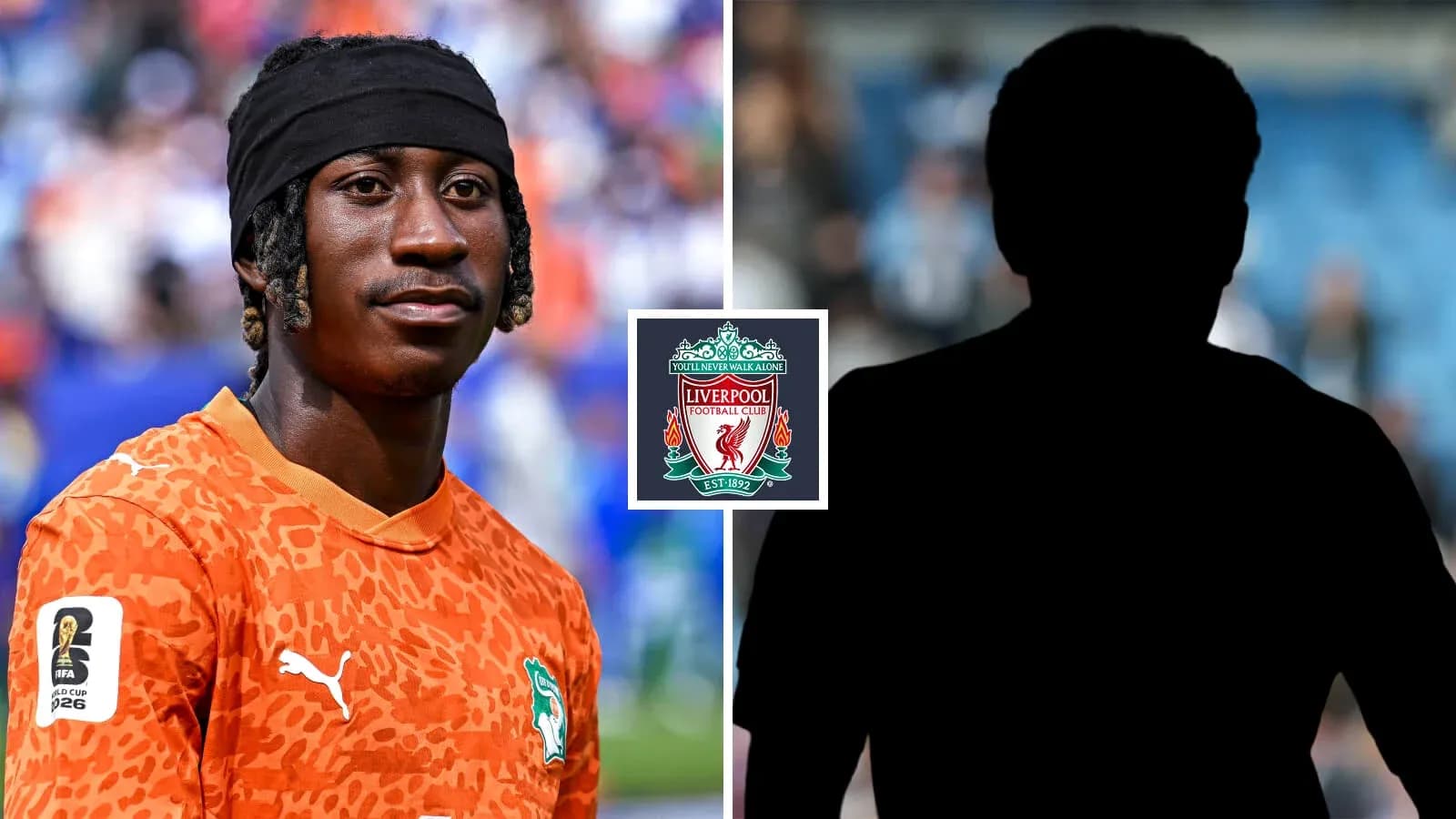
Cody Gakpo, wearing Netherlands orange and Liverpool red in his heart, scored a goal that carried far more than sporting meaning. Days earlier, he and his partner Noa van der Bij had announced the death of their unborn son, Elijah.
"With broken hearts, we share the devastating news that our baby boy passed away during pregnancy," van der Bij wrote on Instagram. "Thank you for your love and support. Elijah Raphael Gakpo, forever loved, forever our son."
Gakpo’s own message was brief, raw, and private in its plea.
"This is an incredibly difficult time for our family. We kindly ask for our privacy and space. Thank you for your understanding."
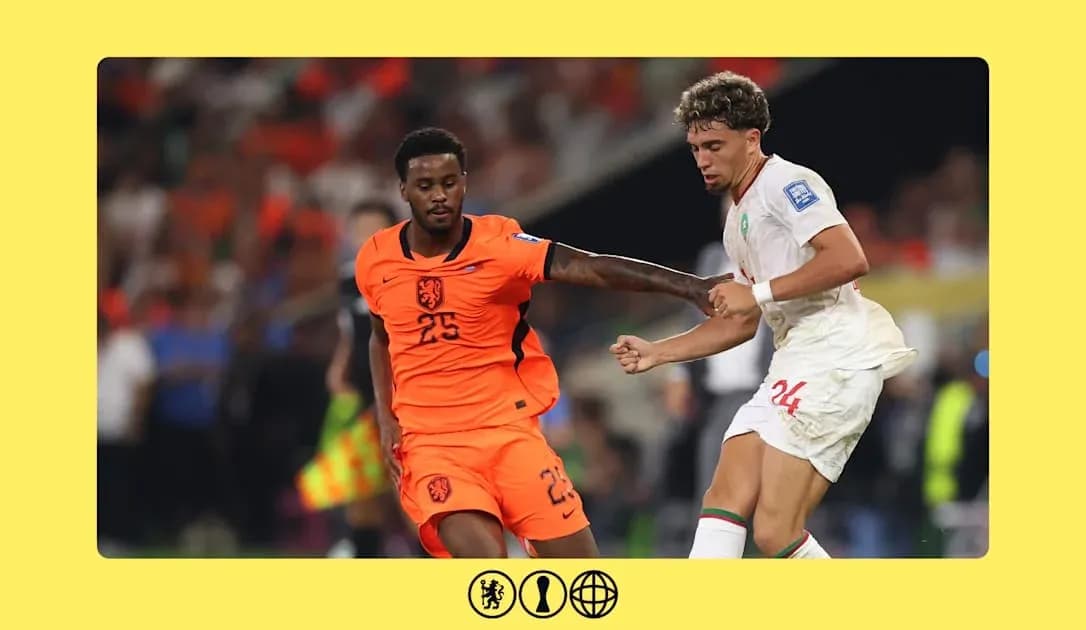
Then came the match in Guadalupe against Morocco. Football does not pause for grief.
Slipped through by Crysencio Summerville, Gakpo latched onto the pass, pounced on the loose ball and drove a low finish into the net. As the ball hit the back of the net, the forward dropped to the turf, overcome. Team-mates rushed to him, forming a protective circle around a man trying to process the most personal pain in the most public arena.
For a long spell, that goal looked like it would carry the Dutch through. It felt written, almost inevitable, that Gakpo’s strike would decide the tie.
Football, again, had other ideas.
One minute into stoppage time, Issa Diop levelled for Morocco, ripping the script away. The game marched to penalties, and this time it was the North Africans who held their nerve, edging a 3-2 shootout victory.
Gakpo’s night ended not with a miracle escape, but with elimination. Still, his goal – and the moment that followed – cut deeper than the result.
In Boston and in Guadalupe, two stories collided: a giant of the game searching for direction, and a player simply trying to stand upright in the middle of unimaginable loss. Germany will now argue over systems, coaches and succession plans. The Netherlands will pick over missed kicks and what might have been.
Klopp, for now, stays where he is. Nagelsmann waits for a verdict. And the World Cup rolls on, indifferent to reputations, unmoved by heartbreak, demanding answers from those who have none left to give.