Jude Bellingham Reflects on England's Euro 2024 Journey and Team Dynamics
Jude Bellingham does not dress it up. England reached the Euro 2024 final, came within one game of ending decades of hurt, and yet, in his mind, something fundamental was broken long before Spain picked them apart in Berlin.
From England’s World Cup base in the United States, the Real Madrid midfielder has lifted the lid on a campaign that looked successful on paper but felt hollow inside the camp.
“At the Euros I think we got a few things wrong off the pitch, I don’t feel the group connected as well as it could have for a number of reasons,” he admitted. “We weren’t playing well, which doesn’t help, so even when we were winning, we didn’t get the feeling that we were as happy as we should be.”
That is a brutal assessment of a side managed by Gareth Southgate that still navigated its way to a second major final in three years. The outside world saw resilience, late drama and penalty nerve. Bellingham remembers a squad that never quite clicked.
Tuchel’s ‘brotherhood’ and a broken bond
The contrast with the present is stark. New head coach Thomas Tuchel has spoken openly about building a “brotherhood” inside this England group as he chases the World Cup this summer. Togetherness is not a slogan for him; it is a central pillar of his plan.
Bellingham’s words make clear why Tuchel has gone after that so aggressively. Two years ago, the feeling simply was not there.
“When it came to the tournament, we were seen as one of two or three teams that could win it,” Bellingham said. The expectation was enormous. The performances were not. England laboured through games, clinging to moments rather than imposing themselves.
The pressure finally told in the most dramatic way possible.
The overhead kick that still stings
England’s Euro 2024 run was stitched together by Bellingham’s brilliance and a habit of living on the edge. His last-minute overhead kick against Slovakia in the last 16 dragged them into extra time and kept the campaign alive. Penalties were needed to squeeze past Switzerland in the quarter-finals. A last-minute winner then floored the Netherlands in the semi-finals.
From the outside, those moments felt like pure, unfiltered tournament magic. For Bellingham, that iconic overhead still comes with a knot in the stomach.
“I still remember how I was feeling at the time. It always makes me feel a bit uncomfortable because it was such a bad situation,” he said. “We weren't playing well.”
The goal that will live on in highlight reels across generations is, to him, a symbol of how close England came to another collapse.
“I remember as a kid watching World Cups and Euros where we crashed out against teams we shouldn’t have gone out to and I remember thinking, ‘Wow, I’m about to be a part of one of those moments’. It shakes up the whole of English football.”
That is the prism through which he views that night: not as a personal masterpiece, but as a near-disaster narrowly avoided.
A straight shootout for No 10
Now the stage shifts to the World Cup, and Bellingham finds himself in a very different kind of tension: a fight for his starting place.
Tuchel appears to have drawn a clear line over the No 10 role. Bellingham against Morgan Rogers. One shirt. Two players who know each other better than most team-mates ever will.
The pair grew up in the same part of the West Midlands, came through junior football together and have stayed close. That history gives an edge to the battle, but not a bitterness.
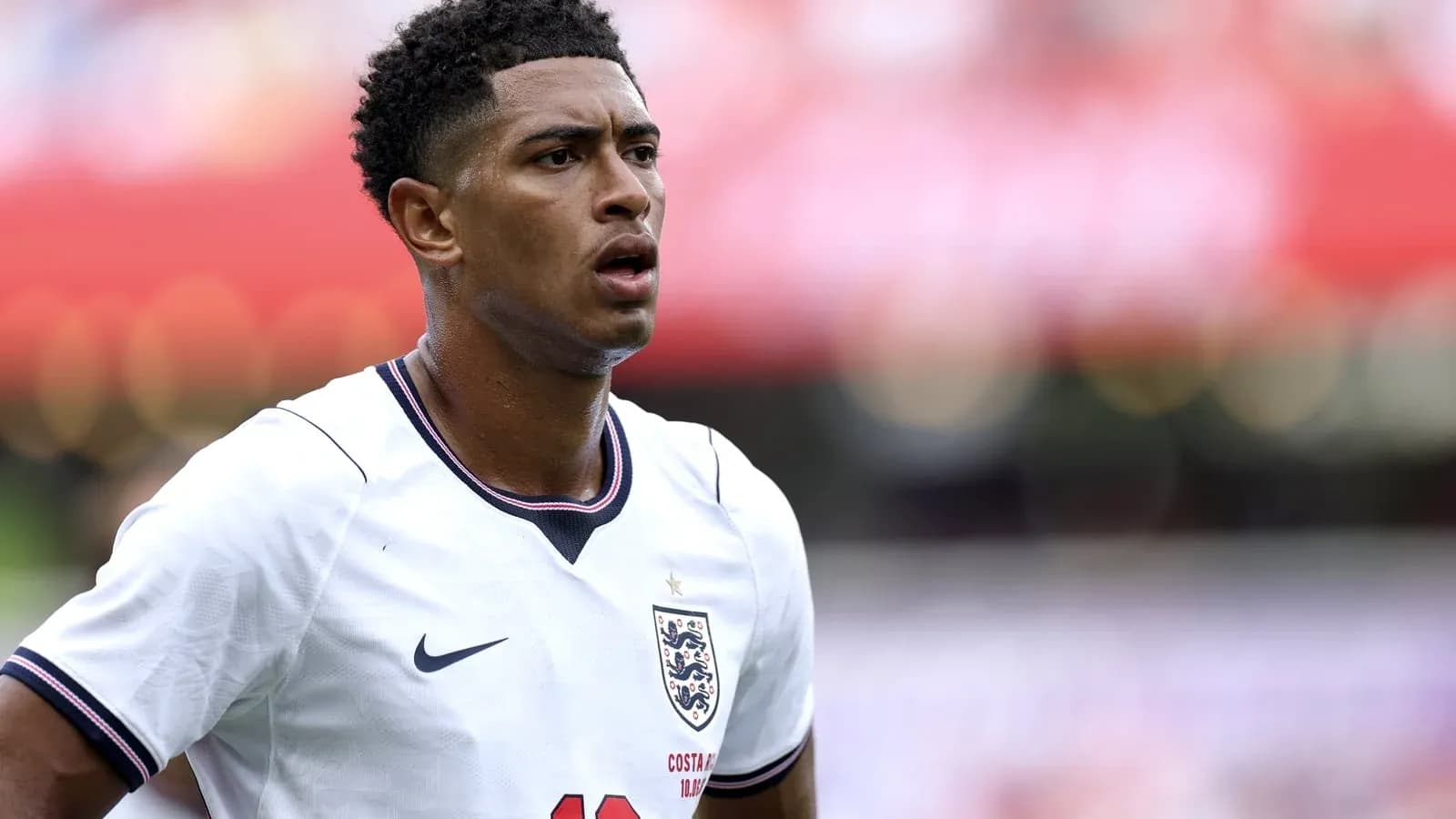
Bellingham strengthened his case with a commanding display in England’s final warm-up game, a win over Costa Rica on Wednesday that showcased the full range of his game between the lines. Yet he is adamant there is no friction with Rogers.
“As a person, he is a top guy, he can get along with anyone, can have conversations with anyone,” Bellingham said. “He can be a bit loud. We have debates that turn into arguments a lot. But we get on like brothers, to be fair.”
The competition is real. So is the respect.
“The manager has made it very clear in a lot of the times where he has spoken that we are playing for the same position,” Bellingham explained. “I know that has eased up a bit more now that he sees me playing more positions and Morgs playing more positions, but I honestly have no ill feelings when he is playing and I’m not playing.”
That is the kind of dynamic Tuchel wants: sharp edges on the pitch, no fractures off it.
A new test, an old opponent
England open their World Cup campaign against Croatia on Wednesday, a fixture that still carries the weight of past scars and missed chances. For Bellingham, it is another chance to shape a different story — one where the football and the feeling inside the camp finally align.
He has already lived through a run to a final that never felt right. Now, in a squad chasing “brotherhood” under a new manager, the question is simple: can England’s most gifted midfielder of his generation help turn unity from a slogan into a weapon?