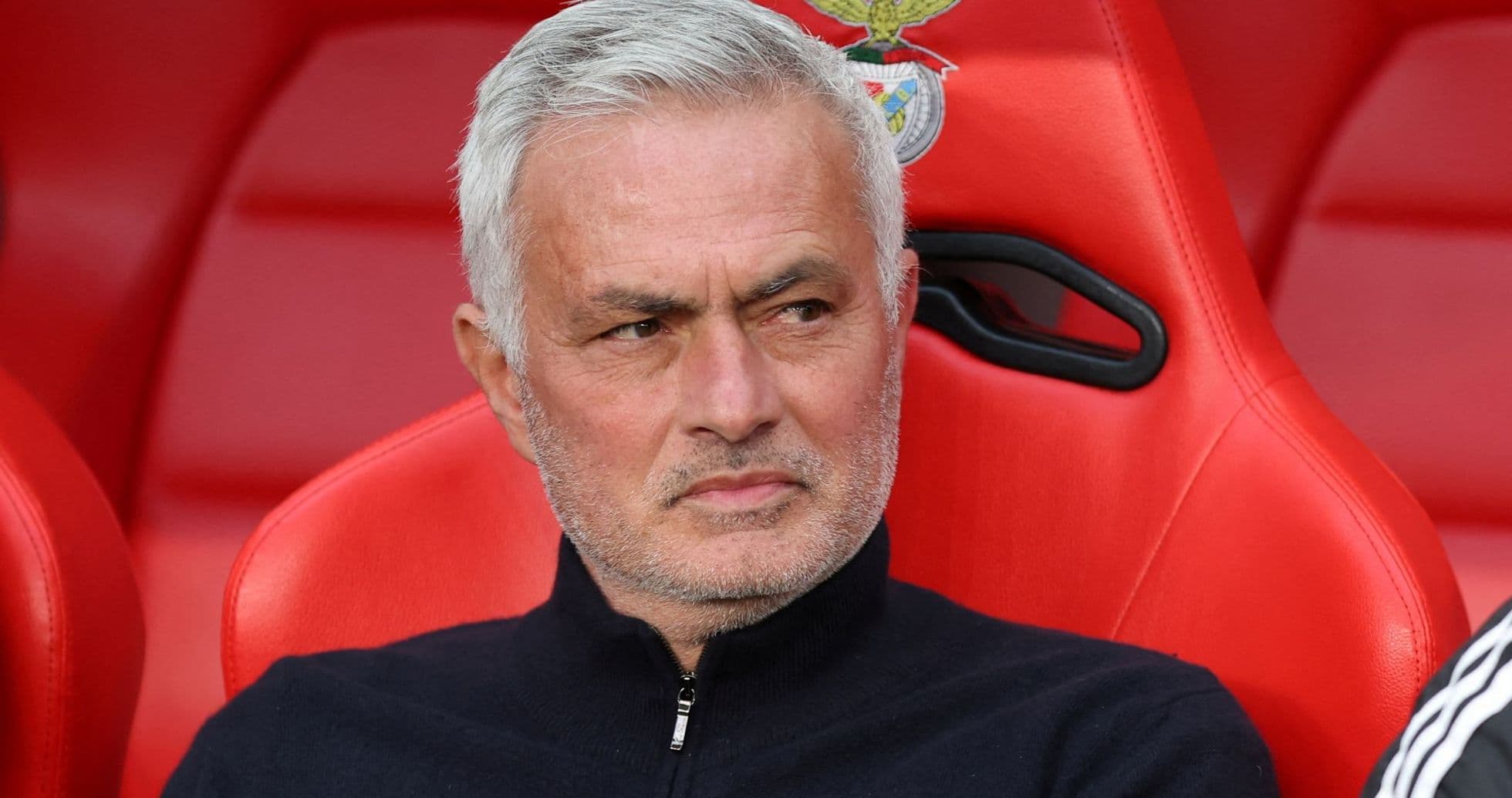
José Mourinho's Departure from Benfica: A Love Letter to the Club
José Mourinho left Benfica with a message that felt more like a love letter than a farewell note.
Just hours after his departure was confirmed, the 63-year-old turned to Instagram, reflecting on a whirlwind second spell in Lisbon that delivered an unbeaten domestic league campaign, third place in the Primeira Liga and the Supertaca Candido de Oliveira. It was brief. It was successful. And, in his words, it clearly meant something.
He singled out president Rui Costa, the man who brought him back. “I would like to thank president Rui Costa for the opportunity he gave me to work for Sport Lisboa e Benfica. Representing this club has been an honour and a privilege,” Mourinho wrote, framing his exit not as an escape route to Madrid but as the closing of a cherished chapter.
He then widened the lens. The staff at Benfica Campus, the people away from the cameras who helped power that unbeaten league run, received their own tribute. Their “professionalism, dedication and competence” had been “exemplary,” he said, a line that underlined how carefully Mourinho was curating this goodbye. No bridges burned. No veiled digs. Just respect.
The most striking part of his message, though, was reserved for the dressing room he leaves behind. Mourinho, who has coached some of the game’s biggest egos and brightest stars, leaned on one of his oldest themes: loyalty.
“To the players with whom I have had the pleasure of working, I offer my sincere thanks and best wishes for every success in their personal and professional lives,” he wrote. Then came the sentence that will echo longest at Benfica: “I leave with the conviction that, more than just a moment, we have forged a lasting bond: my player for a day, my player for life.”
The emotional tone contrasted sharply with the cold, sharp reality of what triggered all this. Real Madrid came calling, and they came hard.
Madrid’s power play
Real Madrid’s pursuit of Mourinho has been anything but subtle. Florentino Perez made rehiring the coach a central promise of his re-election campaign, a clear nod to the era when Mourinho first arrived at the Bernabeu and set about breaking Barcelona’s grip on Spanish football between 2010 and 2013.
This time, Perez moved with the urgency of a man determined to reclaim control of the narrative. Madrid agreed a compensation package worth £13 million (€15m/$17m) with Benfica, clearing the path for Mourinho’s return. The Portuguese club then confirmed his departure, and the stage in Spain is now being dressed for his unveiling, expected on Wednesday.
The choreography behind the scenes has been just as telling. On Tuesday evening, Mourinho’s agent Jorge Mendes was seen in central Madrid, locked in discussions with Real Madrid director general Jose Angel Sanchez and chief scout Juni Calafat at a hotel, as the final details were ironed out, according to ESPN. The symbolism was obvious: the deal was no longer a question of “if” but “when”.
Perez is not merely bringing back a familiar face. He is arming him. Madrid have already lodged a €150 million (£129m/$172m) bid for Julian Alvarez, a statement offer that Atletico Madrid rejected but one that sent a clear signal across Europe. After two seasons without a major trophy, the club is preparing for another wave of galactico-style recruitment, and Mourinho will be at the heart of it.
The message from the Bernabeu is blunt: the era of drift is over.
Benfica turn to a familiar face
Back in Lisbon, Benfica refused to linger in the shadow of Mourinho’s exit. The club moved quickly, decisively, and with a sense of continuity rather than panic.
Marco Silva is the new man in charge.
The former Fulham and Sporting CP manager, who carved out a strong reputation in the Premier League, arrives on a deal that could keep him at the Estadio da Luz until 2029. It is a long-term commitment on paper, a sign that Benfica want stability after the high-profile turbulence of Mourinho’s short but intense reign.
Silva inherits a daunting brief. He follows a coach who leaves with an unbeaten domestic league record and a trophy in the bag, yet only a third-place finish in the Primeira Liga. The task is clear: preserve the steel Mourinho instilled, then find a way to climb those final rungs back to the summit of Portuguese football.
There will be no easing-in period. Expectations at Benfica rarely allow for that, and the memory of an undefeated league campaign will loom over every early result. But the club have chosen a coach who understands Portuguese football, knows the weight of big clubs and has tested himself in one of the most demanding leagues in the world.
Mourinho heads back to the Bernabeu, chasing restored glory and backed by Madrid’s financial muscle. Benfica turn to Silva, betting that a different kind of project can carry them forward.
Two careers, two clubs, one decisive summer.