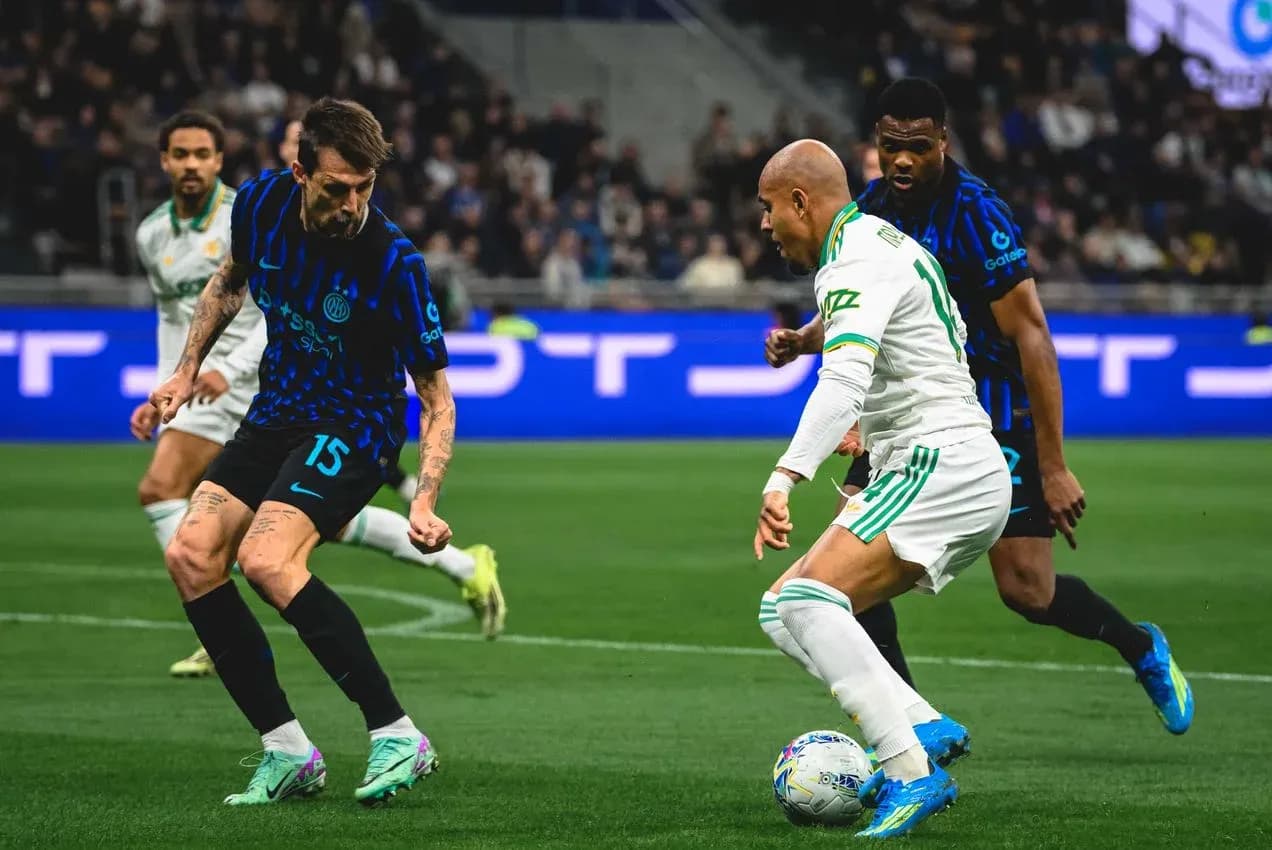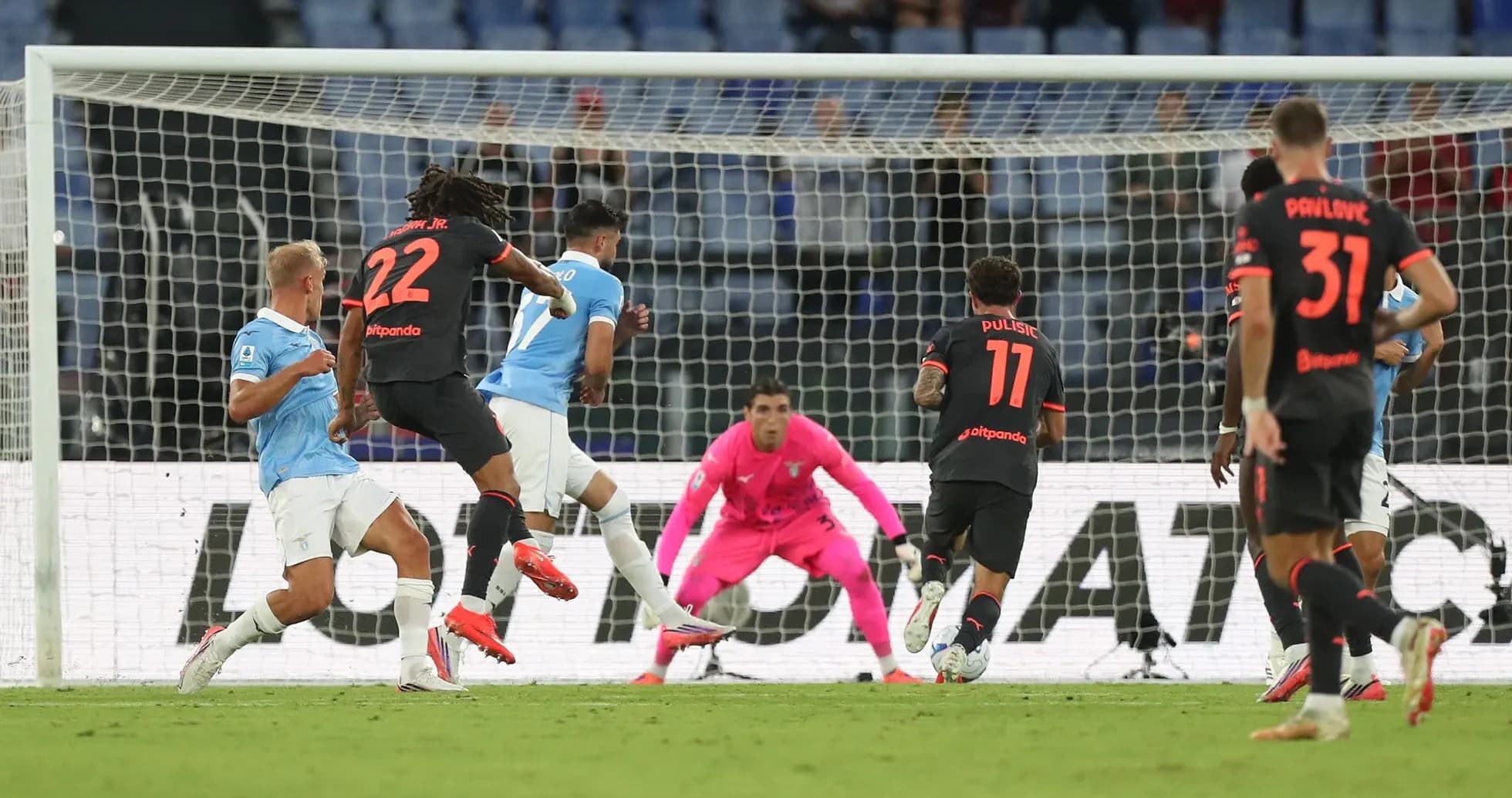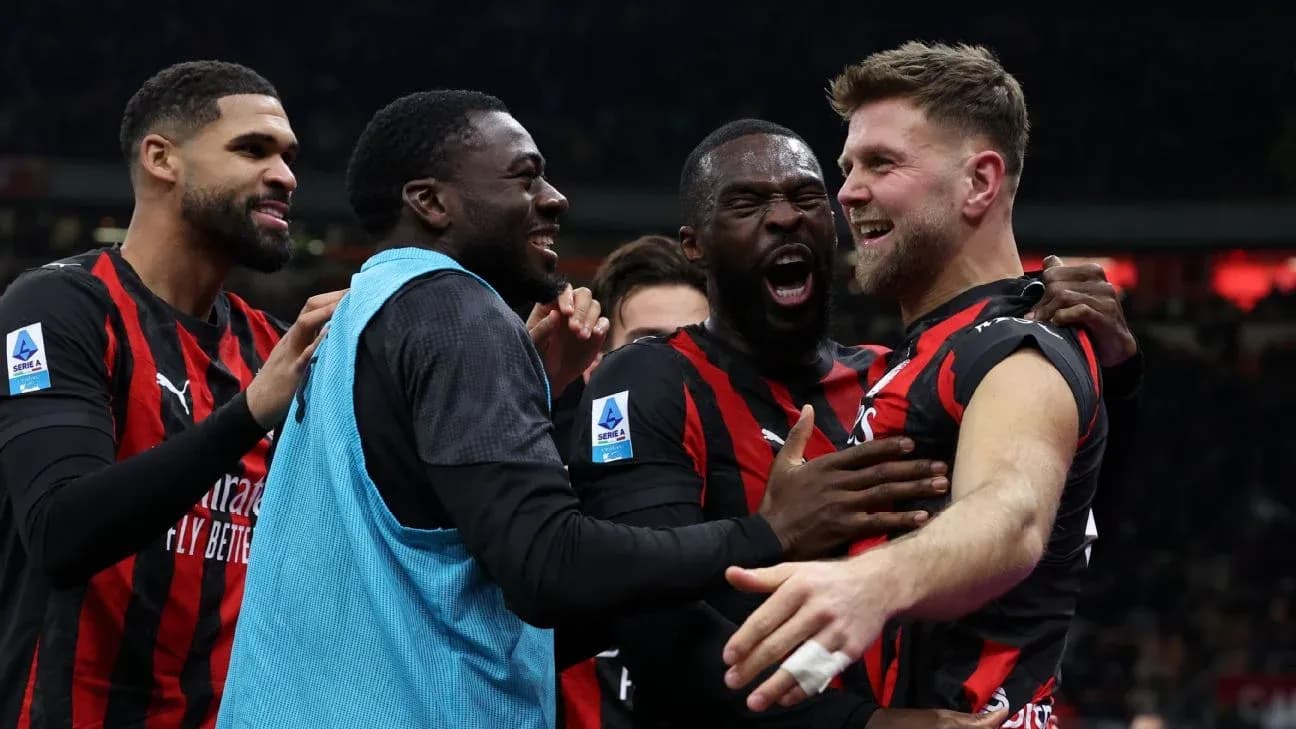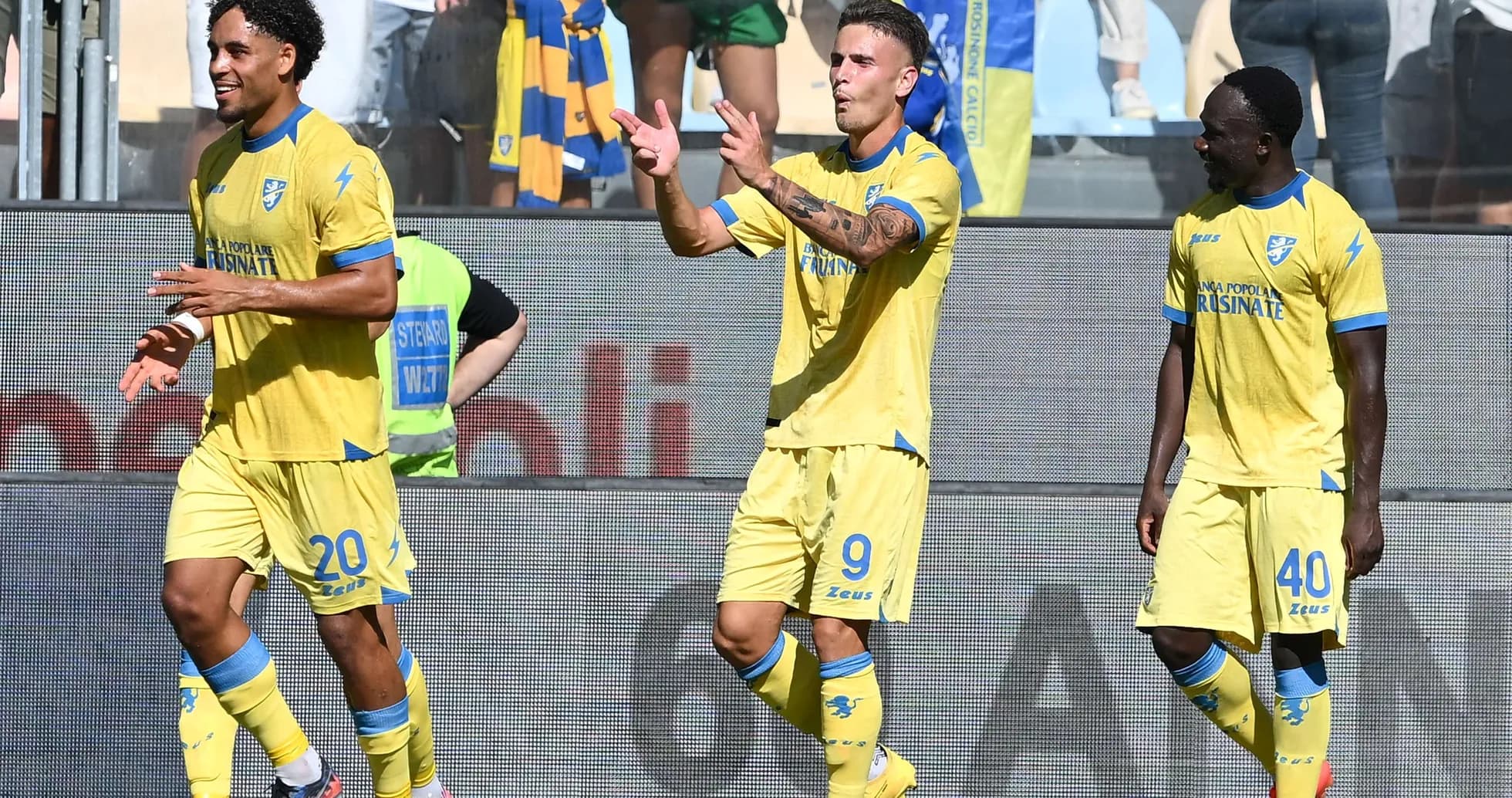
Inter's Chaotic 5-3 Win Over Udinese: Tactical Insights
Under the San Siro lights, this was supposed to be an early‑season examination of Inter’s new‑look spine rather than a shoot‑out. Instead, a 5‑3 home win over Udinese turned into a chaotic showcase of both their irresistible attacking structure and the defensive looseness that still lingers beneath the surface.
I. The Big Picture – Form, Table, and Tactical DNA
Heading into this game, Inter were moving like a machine. Four wins from four in Serie A, 12 points, and 2nd place in the table underlined a side already calibrated for a title push. Overall this campaign they had scored 13 goals and conceded 6 across 4 matches; that gives them a goal difference of +7, exactly matching the standings. At home they had been particularly explosive: 12 goals scored and 6 conceded in just 3 outings, an average of 4.0 goals for and 2.0 against at San Siro.
Cristian Chivu has leaned fully into a 3‑5‑2 that suits both his centre‑backs and his versatile forwards. Against Udinese he stayed loyal to that template: J. Martinez in goal behind a back three of M. Akanji, J. Stones and A. Bastoni, with a five‑man midfield of A. Diouf, N. Barella, P. Zielinski, H. Mkhitaryan and Carlos Augusto supplying a front two of M. Thuram and F. Esposito.
Udinese arrived in Milano in a very different emotional state. They sat 13th with 4 points from 4 matches, their overall record a mixed 1 win, 1 draw and 2 defeats. Their goal difference of −2 was the product of 8 goals scored and 10 conceded overall. On their travels they had been wild and open: 2 away games, 6 goals scored but 7 conceded, an away average of 3.0 goals for and 3.5 against. Kosta Runjaic’s 3‑4‑2‑1 has attacking ambition, but it leaves his back line exposed when the press is broken.
At San Siro he stuck to that identity: M. Okoye in goal behind J. Abankwah, C. Kabasele and E. Ebosse; a midfield line of M. Vojvoda, J. Karlstrom, L. Miller and H. Kamara; U. Gomez and J. Ekkelenkamp supporting central striker K. Davis.
II. Tactical Voids – Absences and Discipline
The absentees list quietly reshaped both benches. Inter were without H. Calhanoglu, whose muscle injury removed their usual metronome and set‑piece specialist, and D. Spence, taking away a natural high‑octane wing‑back option. Chivu’s response was to push creativity and progression through Diouf, Barella and Zielinski, and to lean on Carlos Augusto’s running on the left.
Udinese’s list was longer and more structural. J. Arizala, M. Palma, J. Piotrowski, O. Solet, N. Zaniolo and A. Zanoli all missed out. Solet’s absence deprived Runjaic of a powerful defender in a game where aerial and physical duels against Thuram and Esposito were always going to be decisive. Zaniolo’s injury removed a high‑ceiling attacking wildcard between the lines, while Piotrowski – already a central figure in the league’s disciplinary charts with 2 yellow cards – was missing both his aggression and his risk of self‑destruction. The irony is that Udinese came into this fixture as a card‑heavy side: 1 yellow in the opening 15 minutes (11.11%), then a steady spread across 16‑90’ and even 91‑105’, signalling a team that can be dragged into fouls at almost any stage of a match.
Inter, by contrast, had been more controlled. Their yellow cards were concentrated in the middle phases: 20.00% of bookings in 0‑15’, 20.00% in 31‑45’, a peak of 40.00% between 46‑60’, and 20.00% from 61‑75’. That profile suggests a team that tends to tighten its grip after half‑time but can become aggressive when protecting or chasing momentum.
III. Key Matchups – Hunter vs Shield, Engine Room Battles
This fixture was always going to be defined by how Udinese’s fragile away defence coped with Inter’s relentless home attack. On their travels Udinese had already conceded 7 goals in 2 matches, and they walked into a stadium where Inter were averaging 4.0 goals per home game. The 5‑3 scoreline simply confirmed the structural imbalance: Inter’s attacking waves versus a back three that struggles to defend space and second balls.
Up front, the “Hunter vs Shield” narrative centred on M. Thuram and F. Esposito against Kabasele’s unit. Thuram came into the round with 2 league goals, 1 assist and a 7.57 rating from just 140 minutes, having won 11 of 18 duels and completed both of his attempted dribbles. Esposito, at just 20, had already contributed 2 goals and 1 assist, with 5 shots on target from 9 attempts and 17 duels won. Together they form a blend of power, depth runs and penalty‑box presence that is tailor‑made to stress a defence that, away from home, had been conceding 3.5 goals per match.
On the other side, Udinese’s attacking threat was never going to be passive. J. Ekkelenkamp and H. Kamara both arrived as dual‑threat players: 2 goals and 1 assist each in the league, with Ekkelenkamp adding 6 shots and 7 tackles, and Kamara combining 7 shots on target with 12 tackles and 1 blocked shot. Behind them, K. Davis had emerged as a creative pivot with 2 assists and 5 key passes, his hold‑up play (13 duels won from 26) a key mechanism for Udinese to relieve pressure and spring transitions.
The “Engine Room” clash was equally compelling. For Inter, A. Diouf has rapidly become a structural pillar: 3 assists already, 13 key passes and a 91% pass accuracy, while still contributing defensively with 4 tackles and 2 interceptions. Around him, Barella and Mkhitaryan offered vertical surges and late runs, while Zielinski stitched play together between lines. Udinese’s Karlstrom and Miller were tasked with disrupting that rhythm and shielding a back line that has been leaking chances, but without Piotrowski’s bite they lacked a natural destroyer.
IV. Statistical Prognosis and Tactical Verdict
Even before a ball was kicked, the numbers pointed towards a high‑event contest. Inter’s overall average of 3.3 goals scored and 1.5 conceded per match, combined with Udinese’s 2.0 scored and 2.5 conceded overall, set the stage for a match where both defences would be stretched. The final 5‑3 score at San Siro simply aligned with those trajectories rather than defied them.
Inter’s 3‑5‑2 continues to look devastating in the attacking third, especially at home, but the fact they have yet to keep a clean sheet at San Siro this campaign – 6 goals conceded in 3 home games – is a warning sign for tougher opponents. Udinese, meanwhile, confirmed their identity as an away‑day wildcard: capable of scoring, but structurally too open, with zero clean sheets overall and a defensive record that undermines the promising output of Ekkelenkamp, Kamara and Davis.
Following this result, the tactical story is clear. Inter’s squad is built to overwhelm, with Diouf, Thuram and Esposito emerging as central protagonists in a high‑tempo, vertical system. Udinese, ravaged by key absences and saddled with an already fragile away defence, were always likely to be dragged into a track meet they could not control. The numbers, the shapes and the narrative all converged on the same conclusion: at San Siro, Inter’s firepower was always going to burn brighter.