GPA Prioritizes Player Welfare with 97% Revenue Investment
The Gaelic Players Association has put a stark number on where its priorities lie: 97% of its revenue goes straight into player welfare and development.
That figure, revealed in the GPA’s annual report published this morning, underpinned a night in which players also made a clear demand – a louder, more formal voice in how Gaelic games are run.
Players push for seats at the table
At Monday night’s AGM, members backed a motion calling for “formal, structured player representation on all key decision-making bodies affecting inter-county players within integrated GAA structures such as Central Council, provincial councils and county boards.”
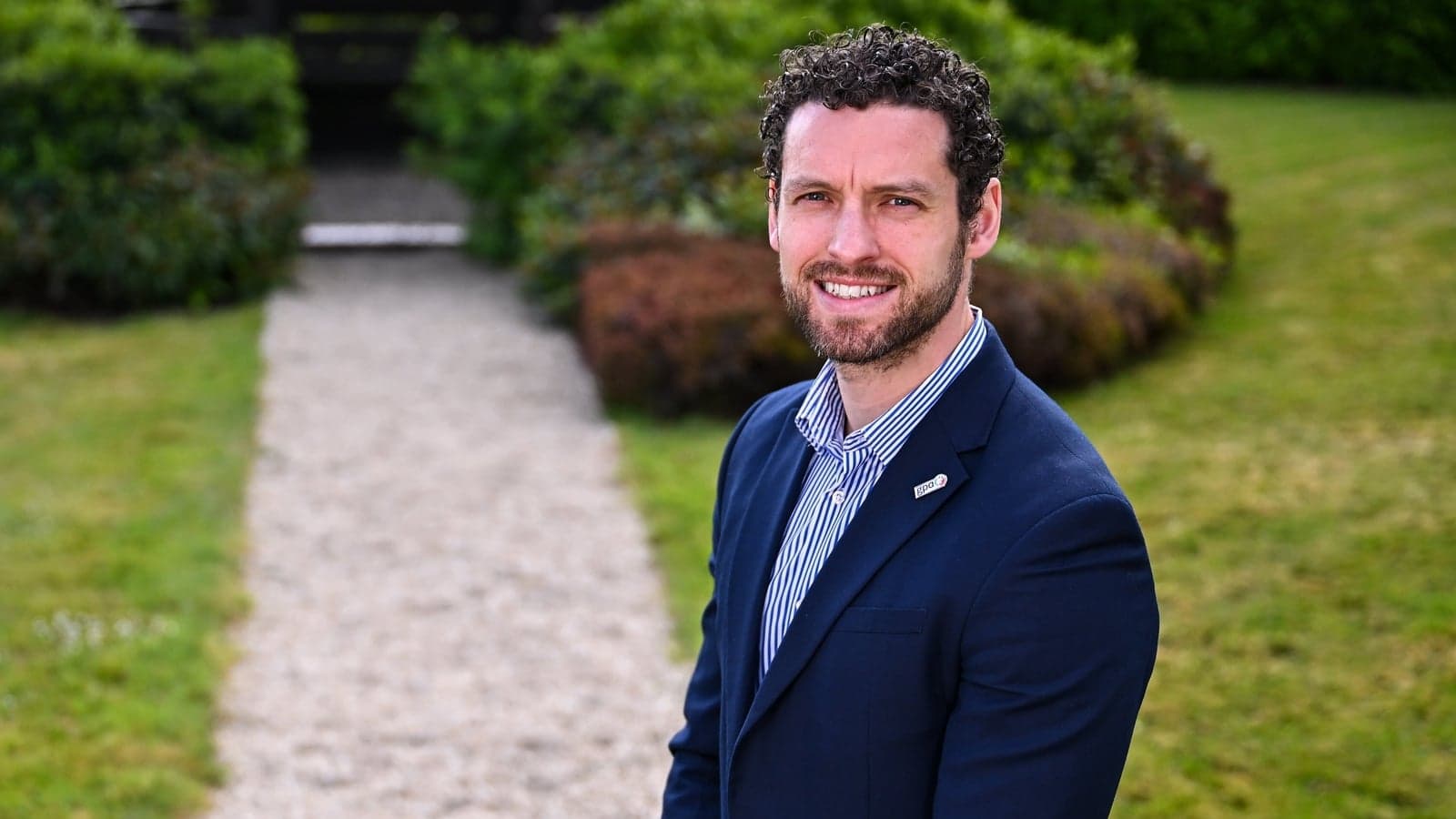
The GPA already has a seat at Central Council. For chief executive Tom Parsons, that is no longer enough.
He told RTÉ Sport that while the financial commitment to players is strong, the message from the room was about power and influence.
“What really stood out last night was players calling for greater player voice in the governance structures,” he said.
When he looks across the landscape – provincial councils, county boards, the LGFA, the Camogie Association – he sees a gap. Not in rhetoric, but in representation.
There are committees shaping competition structures, writing policy, signing off on decisions that land directly on the shoulders of inter-county players. Parsons’ point is blunt: the people living those decisions want to be in the room when they are made.
He argued that the GPA’s existing role within GAA governance already shows its worth, but that the organisation wants those positions “more embedded” across provincial councils, county boards and the wider Gaelic games family. The direction of travel in world sport, he suggested, is towards athletes having a formal hand on the tiller.
Money on the table – and where it goes
Behind that political push sits a detailed financial picture.
The GPA spent €4.35 million on player welfare and development in 2025, covering personal development coaching, career development programmes and educational supports. These are the schemes that are supposed to carry players through and beyond their inter-county careers.
A further €3 million came in as annual grant funding from Sport Ireland via the GAA, with the GPA tasked with ensuring that this government support reaches inter-county players.
Total revenue for the year reached €7.6 million, a modest 1% rise on the previous year. Government grants climbed by 5%, but that was checked by a 6% drop in core GAA funding.
GAA support for the GPA fell from €3.17 million to €2.98 million.
The organisation posted an operating pre-tax loss of €59,401 and a post-tax loss of €65,881, a reminder that the aggressive spend on player-focused programmes comes with a financial edge.
Lean structure, targeted programmes
The GPA runs its operation with 10 full-time employees. Alongside them are 18 fixed-term contracted staff who deliver the Ahead of the Game (Movember) programme, a mental health initiative funded by Movember and administered through the GAA.
The costs of those contracted roles are recharged to the GAA, as it is the official recipient of the Movember funding.
Key management remuneration at the GPA totalled €250,181, down from €268,317 in 2024, another small indicator of an organisation intent on pointing as much of its budget as possible towards players.
The numbers tell one story. The AGM told another.
An association that has long argued for better treatment and support for inter-county players now wants that influence hardwired into the sport’s decision-making structures. The next move belongs to the GAA and the wider Gaelic games authorities – do they open the door, or keep the players waiting in the corridor?