Germany’s World Cup Setback in 2026 and Why Jürgen Klopp Could Spark a Revival by 2030
After a promising run at EURO 2024, where Germany just missed out on the semifinals due to a controversial handball incident, the national team faced a harsh reality check at the 2026 World Cup. Despite some renewed optimism under Julian Nagelsmann following tough exits in 2018 and 2022, Germany crashed out earlier than expected once again.
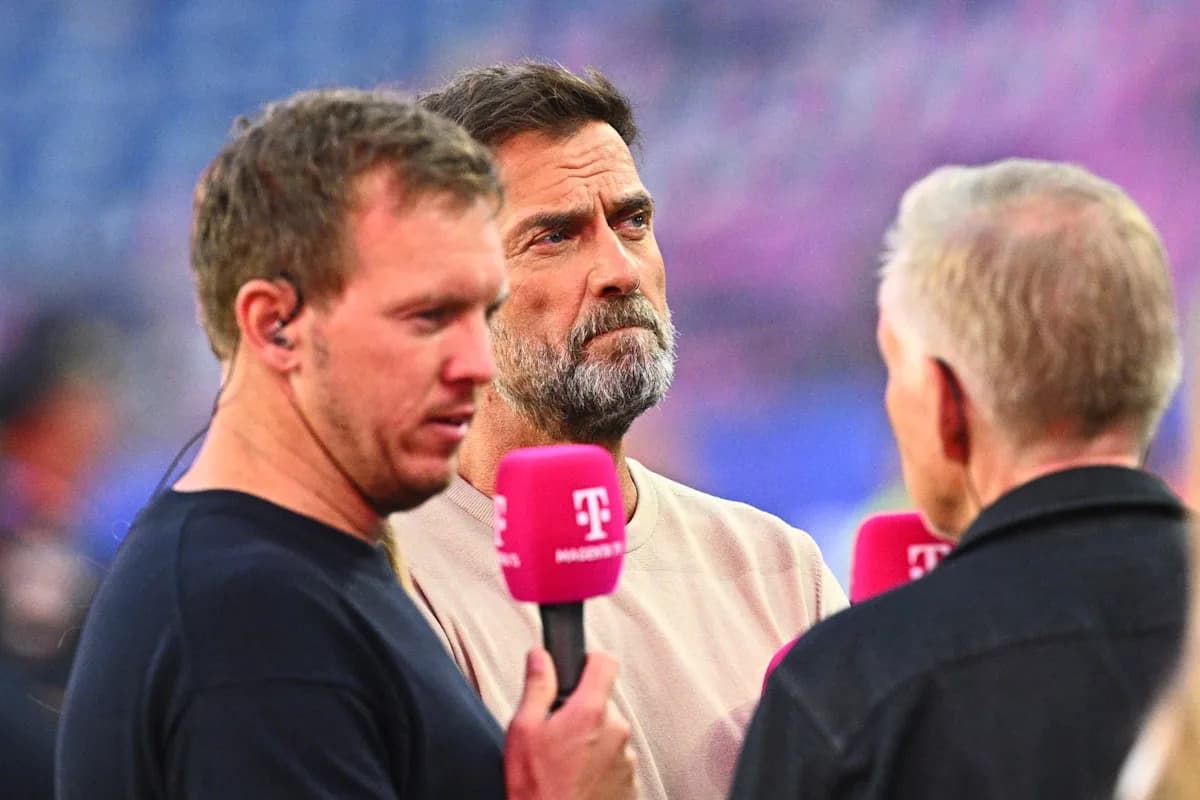
Following this setback, the German Football Association (DFB) has decided to bring in Jürgen Klopp as the new head coach, replacing Nagelsmann who resigned after the tournament. Klopp is currently finishing his punditry work with MagentaTV and preparing to activate his release clause from Red Bull GmbH, where he serves as head of global football, to take over the national team.
A Manager with Proven Success
Klopp’s track record is impressive. He secured Bundesliga promotion with Mainz, won titles with Borussia Dortmund, including multiple Meisterschale and DFB-Pokal trophies, and captured every major club honor with Liverpool. His 2019/20 Premier League win ended the club’s 30-year wait for the title. The breadth of his experience on big stages, both wins and losses, is unmatched among current German coaches.
Though Nagelsmann has notable achievements, Klopp’s extensive trophy haul—including Champions League, FIFA Club World Cup, and UEFA Supercup titles—sets him apart. His familiarity with high-pressure finals and ability to lead top-tier teams make him a valuable asset for Germany’s international ambitions.
Strong Connections Within German Football
Klopp’s reputation in both Liverpool and German football circles runs deep. He already shares mutual respect with key DFB officials like Bernd Neuendorf, Hans-Joachim Watzke, and Rudi Völler, the latter committed to remain sporting director until 2028. These existing relationships could smooth Klopp’s transition into the role.
He plans to bring assistants Peter Krawietz and Zsolt Löw, ensuring continuity and a cohesive coaching staff. Such established ties within the organization will help manage the pressures that come with reviving Germany’s national team.
Unprecedented Authority to Reshape the Team
The DFB reportedly intends to grant Klopp broad control over squad decisions, tactical approaches, and youth development strategies. This mirrors the comprehensive overhaul seen during the "Das Reboot" era in early 2000s German football. The freedom to implement sweeping changes represents a significant vote of confidence in Klopp’s vision.
His prior roles afforded him some influence, but the scope with Germany will be greater. From selecting squads to nurturing young talent, Klopp’s impact could be transformative. Germany cannot afford three consecutive early World Cup exits; fresh direction is needed.
Balancing Experience and Youth
Klopp’s ability to manage diverse player profiles is well documented. At Dortmund, he developed stars like Robert Lewandowski, Marco Reus, and İlkay Gündoğan, while at Liverpool, he nurtured young talents such as Trent Alexander-Arnold alongside veterans like James Milner and Jordan Henderson.
For Germany, this skill is vital. Squad debates often revolve around finding the right mix of seasoned leaders and emerging prospects. Whether giving chances to promising players like Said El Mala or recalling experienced figures such as Robert Andrich or Niclas Füllkrug, Klopp’s history suggests he will find an effective balance.
This blend bodes well for a squad rich in Bundesliga and Champions League winners and rising stars ready to break through.