France vs Spain: A Tactical Duel That Could Shape Football's Future
As France have breezed through this World Cup, their attackers enjoying freedom and confidence, one lingering worry has troubled Didier Deschamps. The question of how their two-man midfield will cope against Spain's three-man setup has shifted from a concern to a clear challenge.
Deschamps and his team face a dilemma: adjust their tactics to counter Spain's numerical advantage in midfield or continue relying on the potent forward line that has netted 16 goals in six games.
Spain’s Tactical Mastery and Defensive Strength
Spain stick to their well-established tactical plan, arguably the most complete in this tournament. This structure might explain why star player Lamine Yamal hasn’t dominated as much; his role is tightly defined within a system resembling an elite club side. His relentless work often forces double marking, which has exhausted opponents early in matches.
One of Spain’s key strategies involves dropping their possession shape back about 20 metres to avoid exposing their defense to France’s lightning-fast attackers like Kylian Mbappe and Ousmane Dembele. Their record of conceding just one goal speaks to their disciplined approach, complemented by a fierce counter-press that recovers possession in roughly 11.57 seconds—the quickest among quarter-finalists.
Spain’s defense operates aggressively in the opponent’s half, leaving large spaces behind that France’s forwards are eager to exploit.
More Than Just Offense Versus Defense
This match contrasts the tournament’s best attack against its best defense, but it’s not a simple battle between lines. Spain will hold more possession near France’s goal, while Deschamps allows his attackers to start from deeper positions, creating multiple tactical layers.
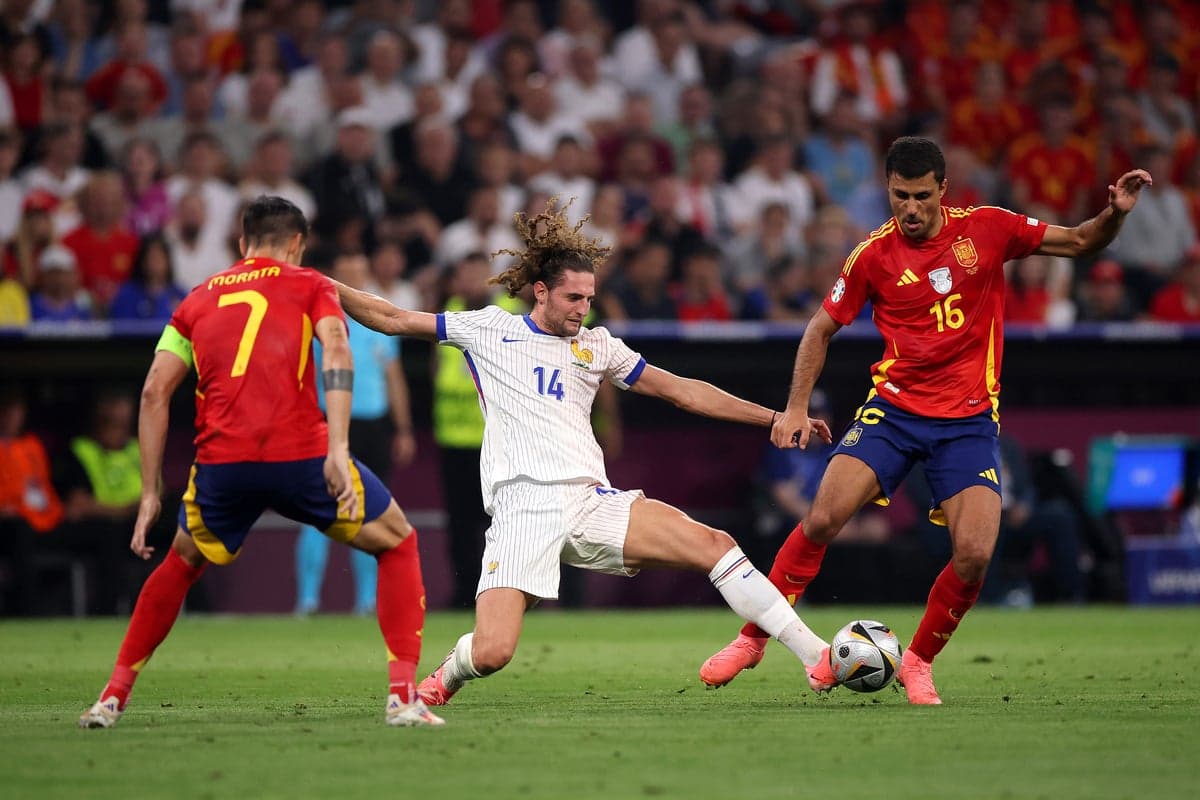
The clash also represents a long-standing rivalry steeped in history and recent football culture. Past comments from players like Adrien Rabiot about Yamal's need to "do more" hint at the competitive tension between the sides.
Only two years ago, roles seemed reversed: Spain appeared freer and younger, while France struggled offensively. Since then, personnel changes have shifted dynamics considerably.
Changes in Team Dynamics and Player Impact
Spain have faced fitness challenges with many key attackers sidelined until recently, forcing a compact structure some label "boring." In contrast, France have embraced youthful talent, producing exciting players like Michael Olise and Desire Doue. Players such as Bradley Barcola have transformed into dynamic attackers, Dembele won the Ballon d’Or, and Mbappe seems unshackled.
Deschamps has adapted by building a squad unlike previous French teams, leaning into this attacking flair.
A Clash of Philosophies: Positional Play vs Relationism
This game pits Spain’s "positional game," popularized by Pep Guardiola, against France’s evolving "relationism." Spain’s moves revolve around the team’s positioning relative to the ball, with slight freedom given to select players. France, meanwhile, offers attackers far more freedom to interpret play individually.
This contrast resembles an orchestra facing free jazz, sparking debate about the future direction of football tactics.
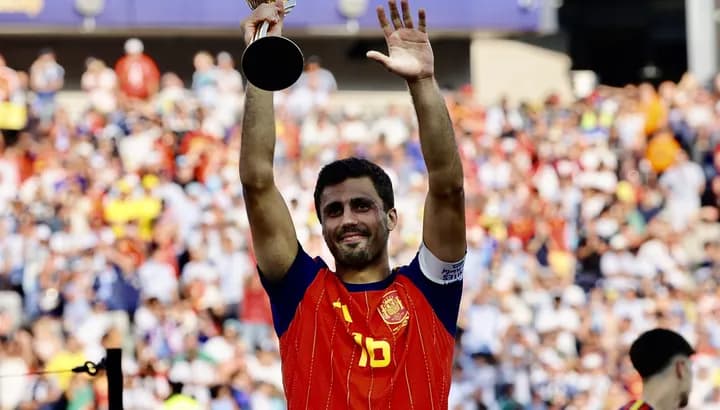
Spain’s model is hard to replicate outside their squad, just as France’s style demands extraordinary attacking talent to be effective. France lack a classic holding midfielder like Spain’s Rodri, so Deschamps uses a hardworking pair in Adrien Rabiot and Aurelien Tchouameni.
Looking Ahead to the Match
The match will likely see Spain dominate possession and advance steadily, while France will hunt for chances to strike quickly. Observers note that Spain’s defense hasn’t yet been truly tested under pressure; Belgium’s attacks revealed some vulnerability.
Deschamps must find ways to push Spain’s defense harder, despite being outnumbered in midfield. Spain’s resilience was evident when they conceded against Belgium but maintained composure and continued pressing forward.
Limiting France’s attacking stars will be vital for Spain. Yet, this encounter transcends a mere offense versus defense storyline. It may influence football’s tactical evolution more than any recent World Cup match.