Detroit City vs Lexington: A USL League One Cup Showdown
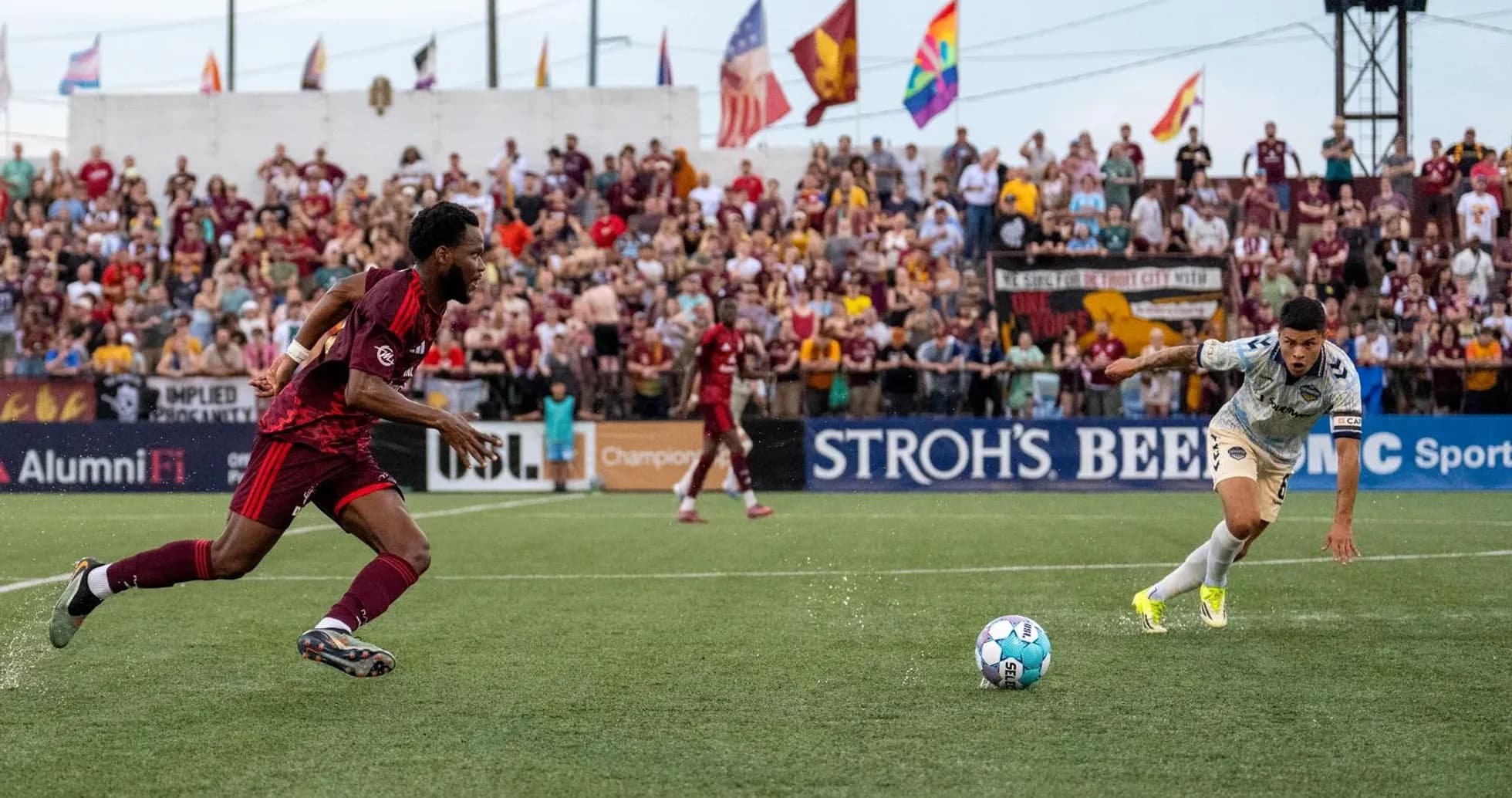
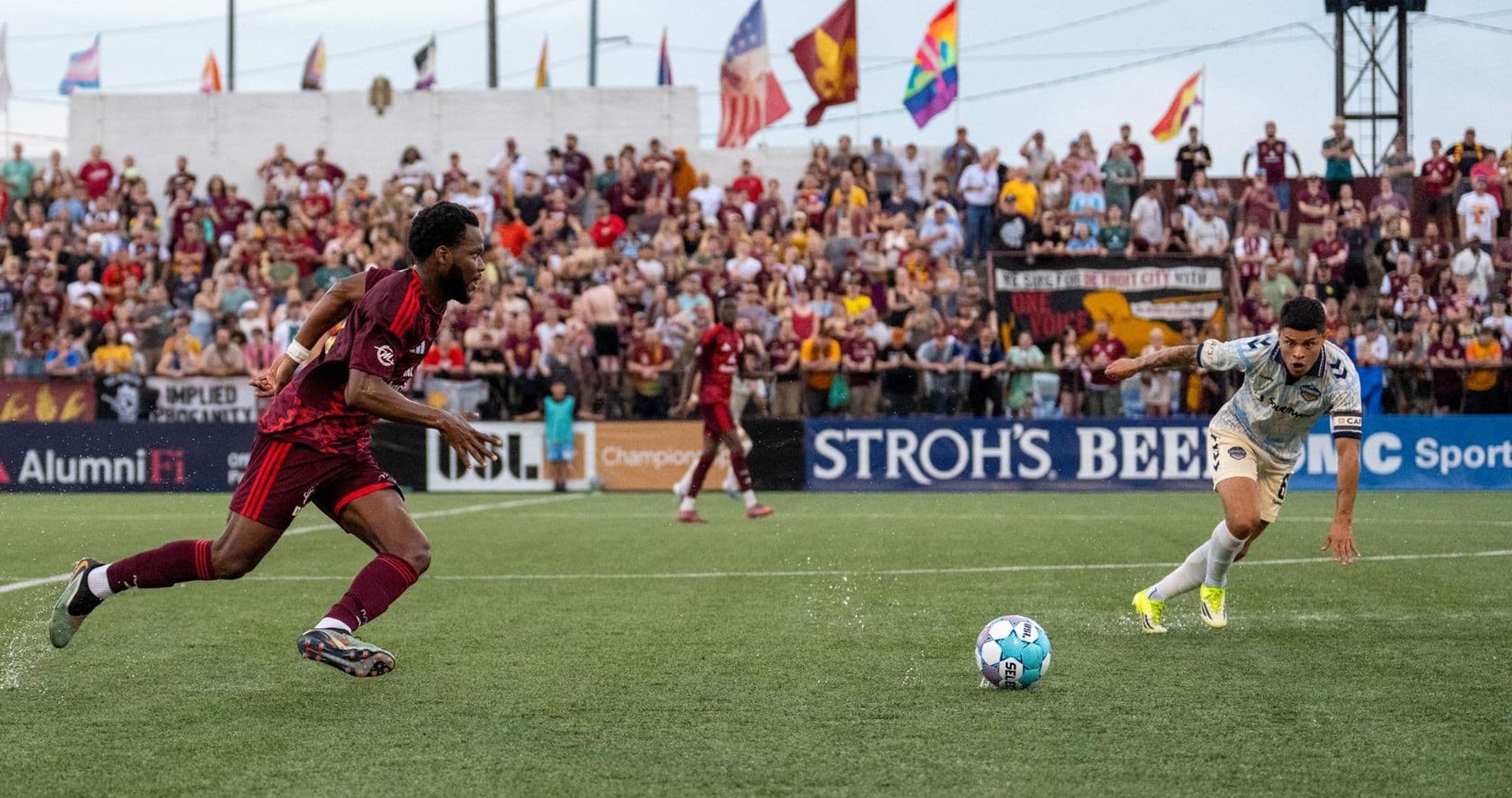
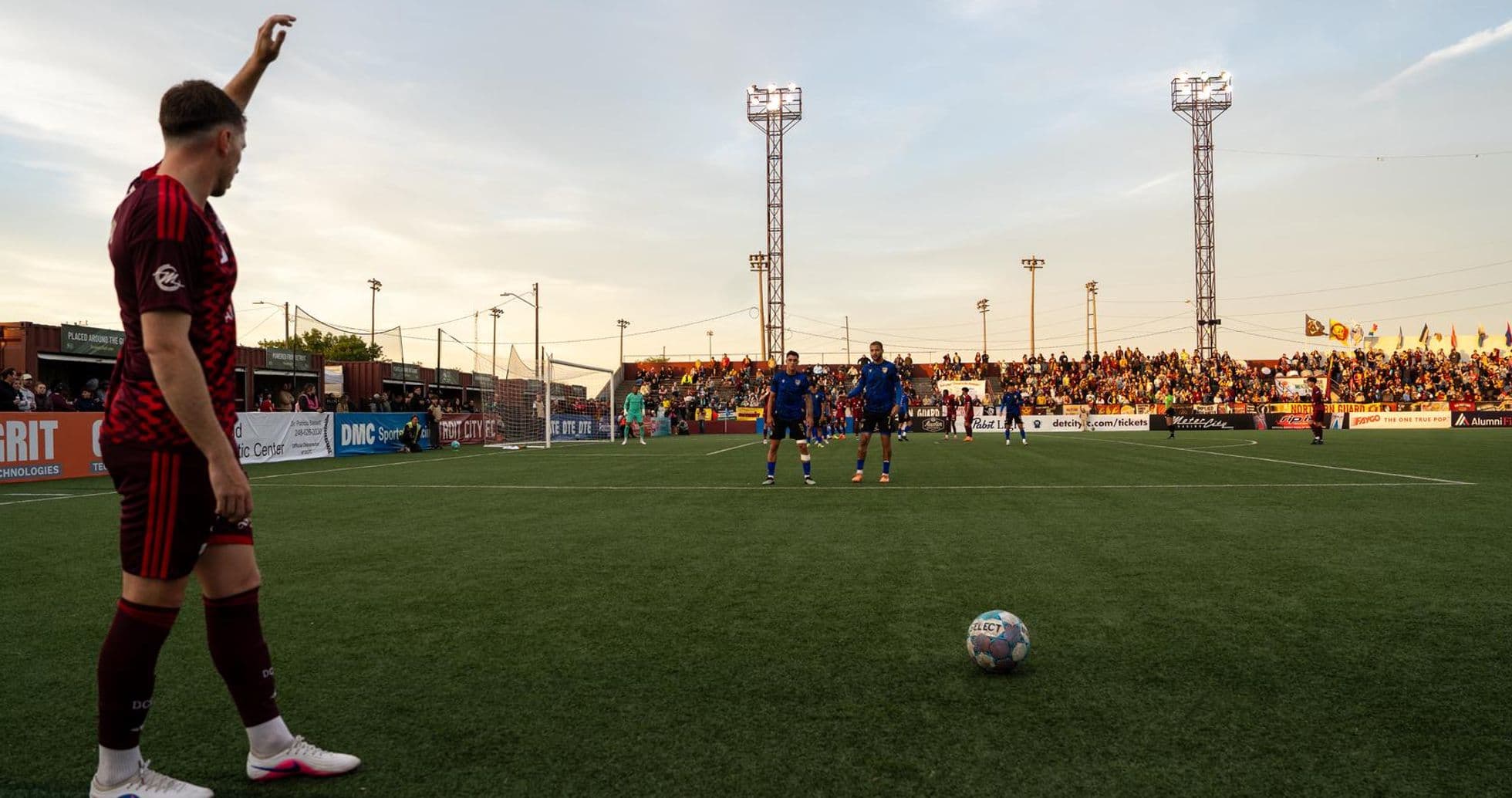
Keyworth Stadium under the lights, a group-stage tie in the USL League One Cup, and 120 minutes that could not separate Detroit City and Lexington. Following this result, the story of the evening became less about the 1-1 draw and more about how two very different squad profiles bent – and eventually broke – under the pressure of penalties, where Lexington prevailed 3-1.
I. The Big Picture – Contrasting Identities
Heading into this game, the statistical DNA of both sides in the competition already hinted at the script. Detroit City arrived with a compact, low-margin profile: in total this campaign they had played 2 matches, winning 1 and losing 1, with 2 goals scored and 2 conceded, averaging 1.0 goals for and 1.0 against overall. At home, they had managed 1 goal and shipped 2, losing their only fixture in front of their own fans.
Lexington, by contrast, were the group’s free-scoring disruptors. In total this campaign they had 2 wins from 2, 6 goals for and 3 against, averaging 3.0 goals per game overall. At home they had scored 4 and conceded 2; on their travels they had 2 goals for and 1 against. Their group-table goal differences underline the divergence: Detroit City at -1 overall, Lexington at +4.
Yet on this night, Lexington’s attacking verve met a Detroit side that refused to be overrun. The 1-0 Detroit advantage at half-time, the 1-1 final score after 120 minutes, and the eventual shootout loss sketched a picture of a home team that could elevate its defensive concentration for knockout-style tension, even if the data still paints them as a side searching for a stable identity in the Cup.
II. Tactical Voids and Discipline – Edges at the Margins
There were no listed absences, so both coaches – Danny Dichio for Detroit City and Masaki Hemmi for Lexington – had near-full decks to play with. The tactical voids, then, were less about missing personnel and more about structural choices.
Detroit’s season card profile hints at a team that often pays a physical tax to stay competitive. Heading into this game, their yellow cards were concentrated after the interval: 50.00% of their yellows arrived between 46-60 minutes, with additional spikes in the 31-45, 61-75, and 76-90 ranges (each at 16.67%). It suggests a side that emerges from half-time ready to disrupt rhythm, sometimes at the cost of discipline.
Lexington’s disciplinary spread was more even, but also busy: 28.57% of their yellows came in 31-45 minutes and another 28.57% in 46-60, with smaller but notable contributions in the opening 30 minutes and late in normal time (each 14.29%). They are not shy of tactical fouling in the heart of the match, which often underpins an aggressive, front-foot style.
Neither side had taken or missed a penalty in open play in the Cup before this fixture, both sitting at 0 total penalties with 0% conversion and 0% missed. That made the shootout a leap into the unknown for this campaign – and Lexington were the side whose nerve held.
III. Key Matchups – Hunter vs Shield, Engine Room vs Enforcer
Without top-scorer data, the “Hunter vs Shield” duel must be read through the lens of units rather than individuals.
For Detroit City, the spine built around C. Herrera, D. Amoo-Mensah, C. Montgomery and T. Silva formed the shield. Heading into this game, Detroit’s away defensive record – 0 goals conceded on their travels – showed that when they sit deeper and compress space, they can be difficult to break down. Translating that mentality to Keyworth was always going to be essential against a Lexington side averaging 3.0 goals in total this campaign.
Lexington’s “hunter” collective is shaped by a front line that mixes mobility and craft: M. Epps and T. Scott providing running lanes, with Nick Firmino and A. Midence operating between the lines. Behind them, A. Molloy and B. Ferri give structure, recycling possession and setting the tempo. The duel between Molloy–Ferri and Detroit’s midfield axis of R. Williams, Rafa Mentzingen and A. Dalou was the true engine-room collision of the night.
Detroit’s midfield, by necessity, had to oscillate between screening and sparking transitions. With K. Hernandez-Foster offering width and progression from deeper areas, the hosts tried to create platforms for D. Smith and A. Diouf to attack Lexington’s back line of X. Zengue, K. Burks, A. Ordonez and J. Hafferty. The fact that Detroit went in 1-0 up at the break suggests that the early pressing triggers and vertical outlets worked, at least for a spell.
For Lexington, the back four’s task was to keep Detroit’s front players in front of them and funnel play wide, where their full-backs could engage. O. Semmle’s presence in goal underpinned a unit that, despite conceding in each Cup match, had still found ways to let the attack win games. Here, they limited Detroit to a single goal over 120 minutes – a respectable return given their open, attacking style.
IV. Statistical Prognosis – What the Numbers Say About the Future
Following this result, the statistical arc of both teams in the USL League One Cup sharpens.
Detroit City remain a low-scoring, low-margin outfit: in total this campaign they have yet to fail to score, but they also have just 1 clean sheet, and at home they concede an average of 2.0 goals per game. Their yellow-card peak between 46-60 minutes underscores a tendency to strain physically as matches open up after half-time. Going forward, Dichio’s challenge is to convert their evident defensive grit in high-stakes matches into a more consistent structure across the group stage – one that reduces the need for constant firefighting and cards in the second half.
Lexington, meanwhile, confirm their status as the group’s most potent attack. With 6 goals in total this campaign before this fixture and another scored here, their offensive ceiling is clear. But the 3 goals conceded in those initial matches, plus the goal allowed in Detroit, underline a side that lives with defensive risk. Their yellow-card clusters in the mid-game show a willingness to foul to protect transitions – a trait that can be weaponized but also punished if referees tighten standards.
In an xG-informed reading, Lexington’s higher-volume, higher-tempo attacking profile is likely to keep generating superior chances over the long run, while Detroit’s narrower margins leave them vulnerable to variance – as the penalty shootout so cruelly demonstrated. Unless Detroit can lift their attacking averages above the current 1.0 goals for per game overall and tighten a home defense conceding 2.0 on average, the numbers will continue to favor Lexington’s model of controlled chaos over Detroit’s grind.
On this night, the shootout separated them. Over the rest of the Cup, the underlying trends suggest Lexington’s proactive, risk-tolerant football is better built to survive the group’s turbulence, while Detroit must evolve from resilient spoilers into a side that can impose themselves before matches drift to the lottery of penalties.