José Mourinho's Quest for a Leaner Squad at Real Madrid
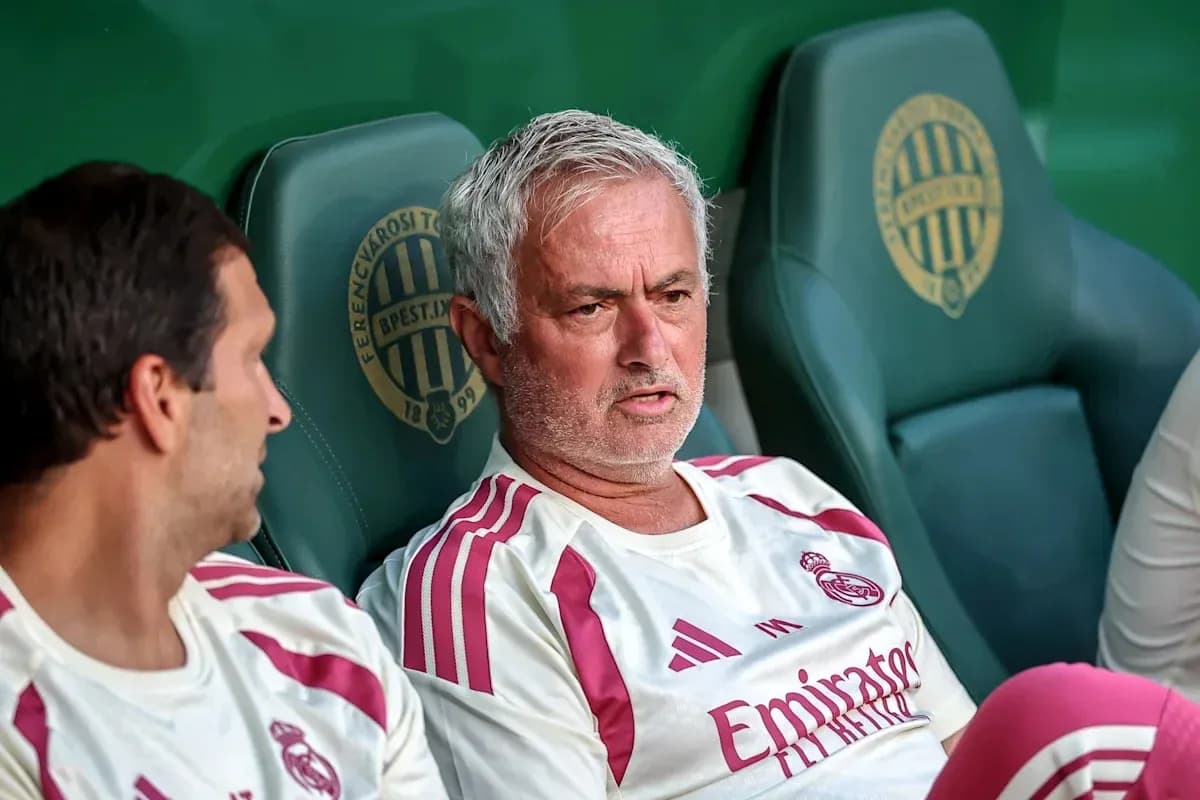
José Mourinho has never been a fan of clutter. Not in his dressing room, not on his training pitch, and certainly not in his squad list.
So when he walked out of Budapest and made his stance crystal clear, there was no ambiguity. “I want a short squad, 20 players plus those who are currently injured.”
At Real Madrid, that is easier said than done.
A €225m squad, but still three too many
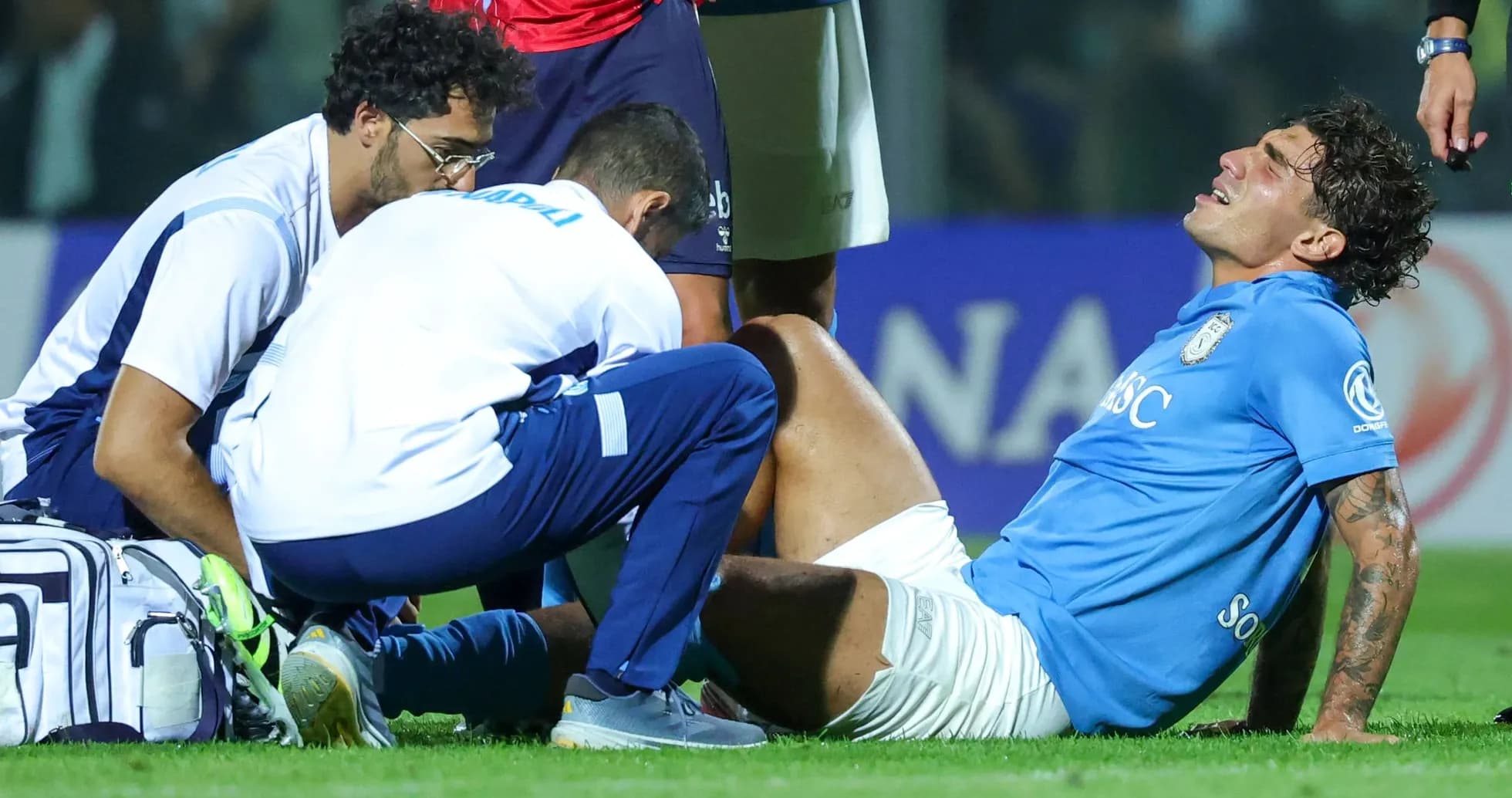
Right now, after the decision to keep Thiago Pitarch with the first team, Mourinho has 26 players at his disposal. Three of them – Éder Militão, Ferland Mendy and Rodrygo – are long-term absentees. Strip those out and the numbers still do not match his ideal. He wants 20 outfielders and goalkeepers he can trust, not a bloated group orbiting around the matchday squad.
The club has already stretched itself to arm him for the season. Six signings. €225 million spent. Yan Diomande, Marc Cucurella, Denzel Dumfries, Ibrahima Konaté, Bernardo Silva and Carlos Espi – a spine of reinforcements built to Mourinho’s specifications.
The final piece was supposed to be Rodri. Madrid pushed, but the Manchester City midfielder chose Barcelona instead. That rejection has closed the door, for now, on another central midfielder. Inside Valdebebas, the expectation is that Madrid will not go back into the market in that area unless something dramatic changes.
One position, though, still flickers on the radar: centre-back. If Raúl Asencio receives an offer that satisfies both player and club and agrees to go, a replacement could arrive. The problem? The academy graduate is standing firm. He wants to stay and fight.
Versatility over volume
Mourinho’s insistence on a leaner squad is not just about numbers. It is about profiles.
He knows he can shrink the group because several of his key players can cover multiple roles. Arda Güler and Bernardo Silva can slide across the front line or drop into midfield. Jude Bellingham offers the same elasticity, drifting between lines, linking zones. Dumfries, signed as a right-back, has already been pushed higher up the pitch in Mourinho’s experiments.
That kind of flexibility gives the coach tactical options without needing 25 senior outfielders. It also addresses one of his long-standing fears: a training ground full of frustrated players who see no path to regular minutes.
Too many passengers, and the mood turns. He has lived that before. He does not intend to live it again in Madrid.
Camavinga: valuable asset, uncertain future
Within that context, Eduardo Camavinga remains a name to watch. Madrid would like to generate income from the French midfielder if a serious offer lands on the table. Up to now, it has not.
Camavinga has made it clear he would like to stay at the Santiago Bernabéu. He sees himself as part of the club’s future. But a proposal from a top-tier club, with guarantees and a major fee, could alter the picture quickly. For the board, he is both an important player and one of the few assets capable of bringing in substantial money.
For the moment, the situation is static. The tension lies in what might happen if the right bid finally arrives.
Endrick stays, Mendy stuck in limbo
Endrick’s case looked, for a while, like it might offer an easy solution. A loan move had been on the table, a chance to ease the congestion and give the Brazilian guaranteed minutes elsewhere.
Mourinho shut that door. He wants Endrick in his squad this season. He wants that talent under his own eye.
That decision has pushed the spotlight onto Mendy. Left-back is one of the most crowded areas in the squad, and Mourinho’s faith in Mendy as a long-term solution has been eroded by the defender’s injury history. Madrid would like clarity, and ideally a clean exit that frees up space and wages.
Mendy, though, does not want to leave. He is digging in, convinced he still has a role to play.
Asencio’s bad timing
Then there is Raúl Asencio, the other potential departure Madrid are monitoring.
The academy product had thrown himself into pre-season, determined to prove he belongs in Mourinho’s plans. He saw an opening, a manager who respects work rate and tactical discipline, and he pushed hard to seize it.
Then his body betrayed him. A rectus femoris muscle injury, six weeks on the sidelines, and suddenly everything becomes complicated. Clubs are reluctant to bid for an injured player. Madrid cannot showcase him. Mourinho cannot assess him properly in competitive action.
For a coach chasing a 20-man core, that is the kind of complication he could do without.
A streamlined vision, a stubborn reality
The picture is clear from Mourinho’s side: a tight, versatile group, minimal noise, maximum control. The reality is messier. Players who do not want to move. A market that has not yet brought the right offers. Injuries that close doors instead of opening them.
Madrid would welcome the chance to trim the excess and give Mourinho the streamlined squad he craves. The clock is ticking, the window is open, and the numbers still do not add up.
The question now is simple: who blinks first – the market, or the manager’s ideal?