Detroit City vs El Paso Locomotive: A Tactical Stalemate
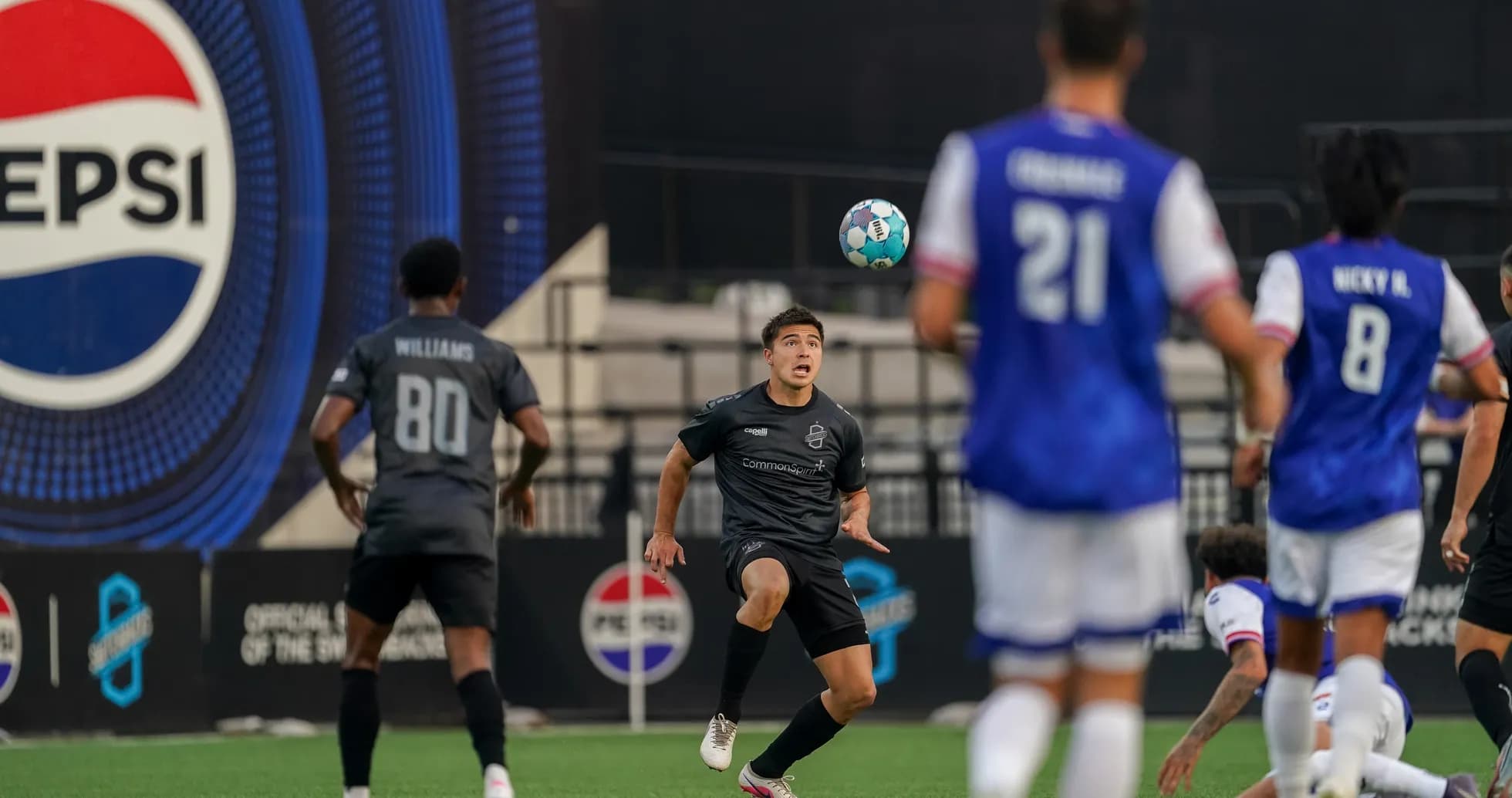
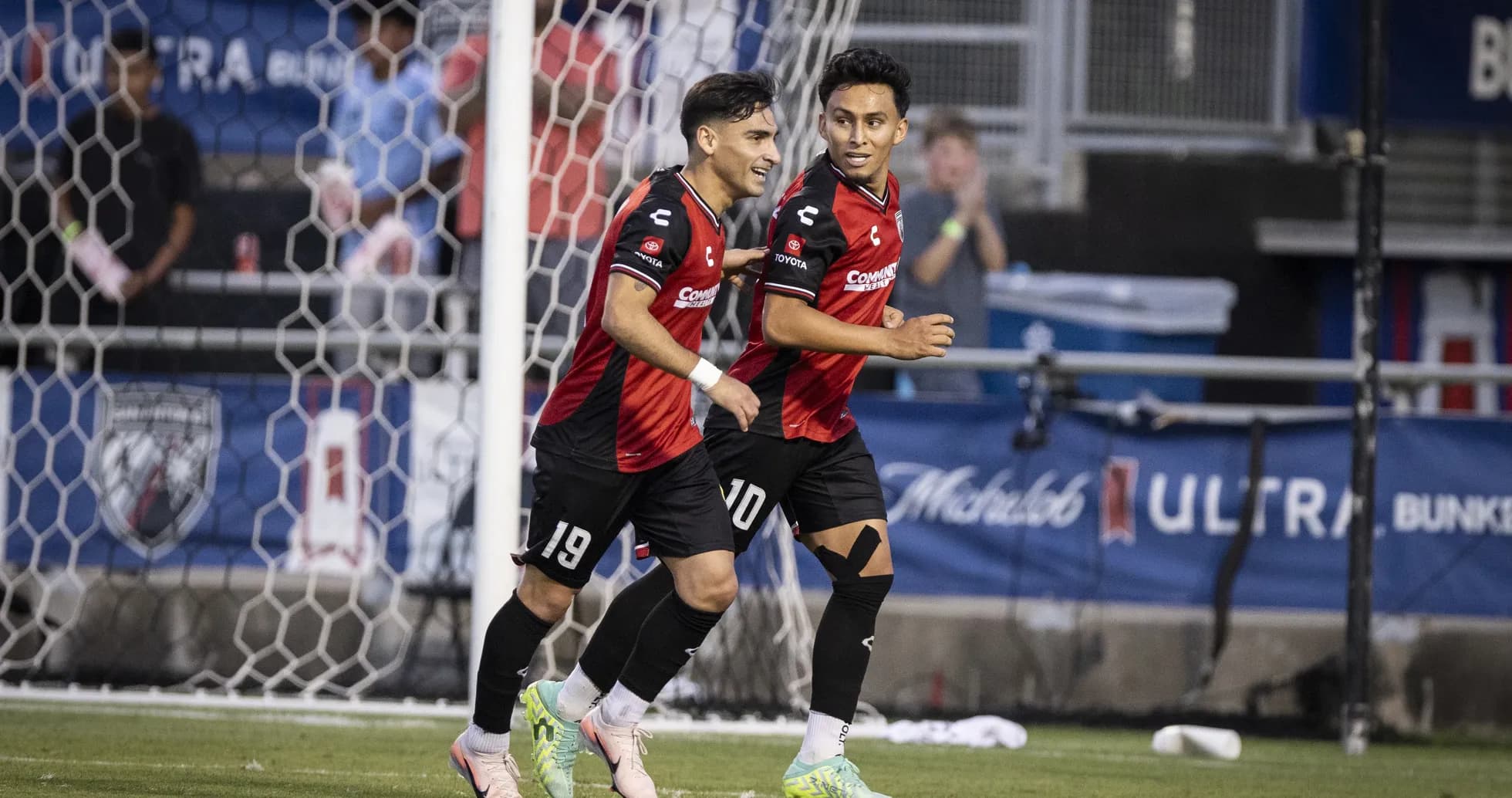
Under the Keyworth Stadium lights, Detroit City and El Paso Locomotive played out a 1–1 draw that felt less like a routine group-stage fixture and more like a clash of identities within the USL Championship. Following this result, the table tells one story, but the squads and their tactical DNA tell another.
Detroit came into the night as a side defined by home dominance. Heading into this game they were 4th in USL 1, with 18 points and a goal difference of 2, built on a fortress-like record at Keyworth: 6 home matches, 5 wins, 1 draw, 0 defeats, with 10 goals for and only 3 against. Overall, they had 13 goals scored and 11 conceded in 12 league matches, a tight, controlled profile that leaned on defensive structure rather than attacking chaos.
El Paso arrived as something of a paradox. They sat 6th with 15 points and a goal difference of 1, yet their season had been wild: 22 goals for and 21 against in only 11 games. On their travels, though, they were efficient and composed: 6 away matches, 3 wins, 2 draws, 1 defeat, with 13 goals scored and just 6 conceded. If Detroit were the careful architects, El Paso were the opportunists, happy to trade blows but increasingly disciplined away from home.
Tactical Voids and Discipline
With no explicit injury or suspension list available, both coaches leaned heavily on their core groups. Danny Dichio’s Detroit XI was built around a stable spine: C. Herrera in goal, the defensive pairing of D. Amoo-Mensah and C. Montgomery, and the full-back presence of A. Stanley and K. Hernandez-Foster. Ahead of them, the engine of A. Diop and A. Diouf supported the attacking lanes of P. Etaka, C. Rutz, and B. Morris.
Junior Gonzalez’s El Paso side mirrored that solidity with S. Mora-Mora in goal, a back line anchored by K. Twumasi, N. Cardona, and Tony Alfaro, and a midfield triangle of Gabriel Torres, E. Calvillo, and A. Mendez feeding the creativity of A. Moreno and the forward presence of R. Rubin.
Discipline was always going to be a key subplot. Heading into this game, Detroit’s yellow-card profile showed a clear pattern: a peak between 61–75 minutes, where 31.58% of their cautions were picked up, and a secondary wave from 46–60 minutes at 21.05%. Their red-card history was sparse but sharp: a single dismissal, and it came early, between 16–30 minutes, accounting for 100% of their reds.
El Paso, by contrast, lived closer to the disciplinary edge. Their yellow cards clustered in the heart of games: 23.33% between 31–45 minutes, 23.33% between 46–60, and 26.67% from 61–75, with a further 20.00% in the final 76–90 stretch. Red cards were even more telling: 1 between 0–15 minutes (20.00%), 2 between 16–30 (40.00%), 1 between 46–60 (20.00%), and 1 between 61–75 (20.00%). This was a side that often paid a price for its aggression, especially as matches heated up.
In that context, a 1–1 draw in regular time felt like a negotiation between Detroit’s control and El Paso’s volatility, with both sides keeping just enough discipline to avoid implosion.
Key Matchups: Hunter vs Shield
The “Hunter vs Shield” battle was less about an individual top scorer and more about unit-versus-unit.
On their travels, El Paso’s attack had been prolific: 13 away goals in 6 matches, an average of 2.2 per game. Their total output of 22 goals in 11 fixtures (2.0 per match overall) underscored a team that could hurt opponents from multiple zones. The creative triangle of A. Moreno, A. Mendez, and E. Calvillo, with R. Rubin leading the line, formed the cutting edge of that threat.
Facing them was one of the league’s most reliable home defenses. At Keyworth, Detroit had conceded only 3 goals in 6 matches, an average of 0.5 per game. Overall, they had allowed 11 goals in 12 fixtures, 0.9 per match. Herrera’s presence in goal, protected by Amoo-Mensah and Montgomery, and the defensive work of Stanley and Hernandez-Foster, gave Detroit the platform to absorb pressure and dictate tempo.
El Paso’s away attack versus Detroit’s home defense was the defining duel. That El Paso were held to just a single goal, despite their away scoring average, is a quiet victory for Detroit’s structure.
Engine Room: Control vs Transition
In midfield, the “Engine Room” was a clash of styles. Detroit’s double pivot of A. Diop and A. Diouf, flanked by the work rate of P. Etaka and C. Rutz, was built to compress space, protect transitions, and feed B. Morris as the central reference point.
El Paso’s central unit—Gabriel Torres deeper, with Calvillo and Mendez linking to Moreno—was more about progression and quick combinations. Their season profile backs that up: they had failed to score in 0 matches, home or away, a remarkable statistic in a league of fine margins. They always found a way to create something.
Detroit’s season numbers showed a more cautious side: 13 goals in 12 matches (1.1 per game overall), with an average of 1.7 at home and only 0.5 on their travels. They had failed to score in 3 matches total, all away. At Keyworth, however, they had always found a route to goal, and the equaliser in this 1–1 draw maintained that perfect home scoring streak.
Statistical Prognosis and Narrative Verdict
From an analytical standpoint, this felt like a match where Expected Goals would lean toward balance: Detroit’s low-concession, moderate-creation profile at home versus El Paso’s high-creation, high-variance attack on the road. Detroit’s 5 clean sheets overall, including 3 at home, suggested that keeping El Paso to 1 goal was within their defensive ceiling. El Paso’s 6 away goals conceded in 6 matches (1.0 per game) aligned closely with the single goal they allowed here.
Following this result, the broader narrative is clear:
- Detroit City reaffirmed their identity as a home fortress side. Their defensive metrics at Keyworth held up against one of the league’s most dangerous away attacks, and their ability to find at least one goal at home remained intact.
- El Paso Locomotive proved that their away form is no illusion. Scoring once against a defense that concedes 0.5 goals per home game is a respectable return, and keeping Detroit to a single strike fits their improving away defensive profile.
For the knockout picture hinted at in the standings description—“Promotion – USL Championship (Play Offs: 1/8-finals)”—this 1–1 serves as a tactical preview. In a two-legged tie, Detroit’s capacity to suffocate games at home and El Paso’s capacity to score anywhere would set up a razor-thin xG battle, where discipline and late-game card patterns could decide everything.
On this night at Keyworth Stadium, neither identity fully dominated. Instead, Detroit’s shield and El Paso’s spear met in the middle, and the scoreboard—1–1 after 90 minutes—reflected a contest where both squads stayed true to themselves and left just enough unresolved to make any future meeting feel like unfinished business.