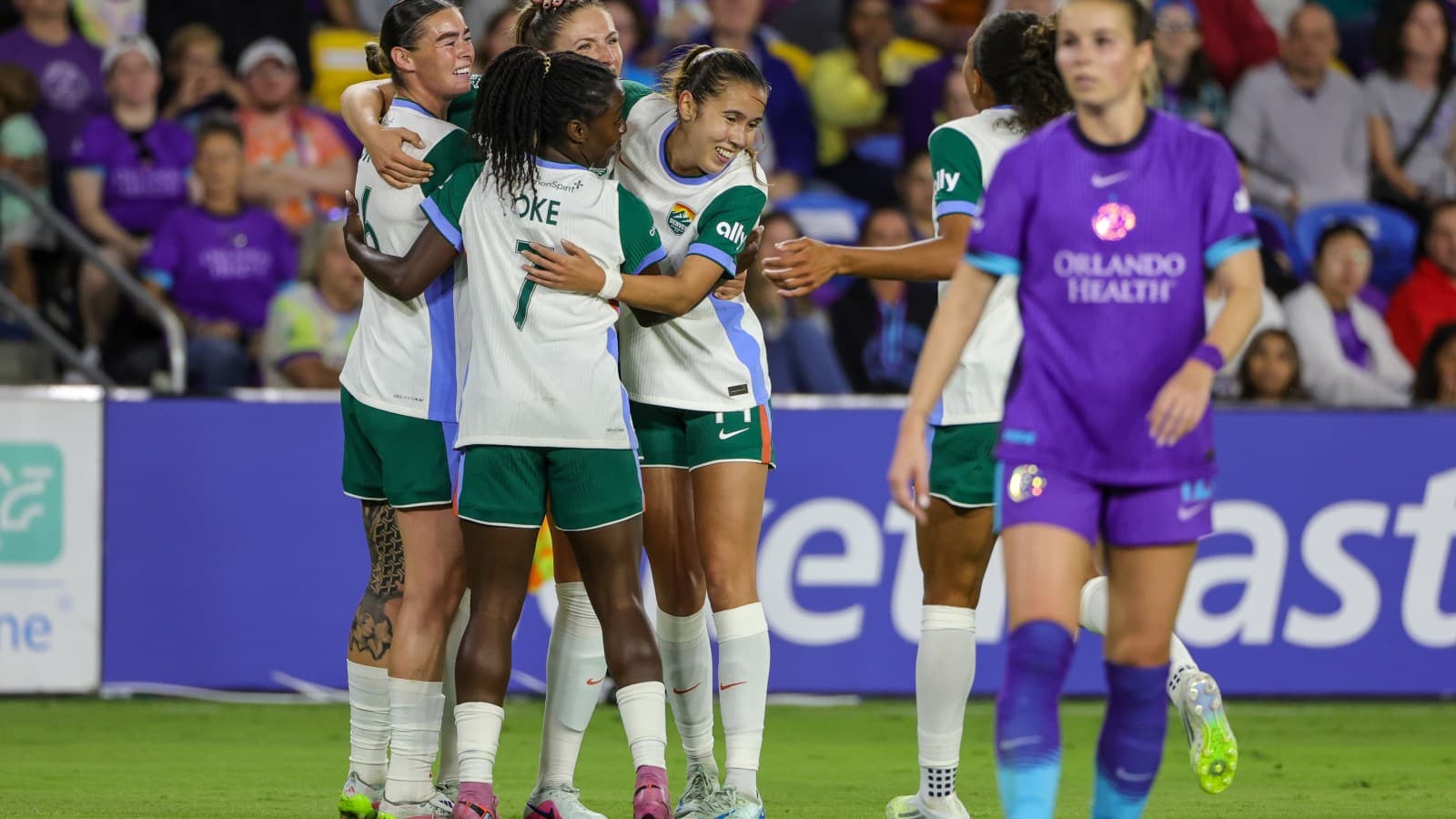
Denver Summit W vs Orlando Pride W: NWSL Women Group Stage Clash
Denver Summit W host Orlando Pride W in the NWSL Women group stage on 17 May 2026, with both sides eyeing a move up the table and, in Orlando’s case, consolidation of a play-off push. Orlando arrive in 7th place with 11 points from 9 games and currently sit in the zone described as “Promotion – NWSL Women (Play Offs: Quarter-finals)”. Denver, 12th with 9 points from 8 matches, are only two points behind but outside the top eight and need to turn solid overall form into home wins.
With the venue not specified in the data, the key context is competitive rather than geographic: Denver have been far more effective on their travels than in front of their own fans, while Orlando’s away record is mixed but carries clear attacking threat.
Form and stakes
In the league, Denver’s table form line reads “WLLDD” over the last five, an inconsistent but stabilising run that has kept them in touch with the mid-table pack. Across all phases they have played 8 matches, winning 2, drawing 3 and losing 3, with a positive goal difference (12 scored, 10 conceded). That balance suggests a side competitive in most games but lacking the cutting edge to turn draws into victories.
Orlando’s recent league form is “LWLLW” in their last five, a streaky pattern that mirrors their broader season: 3 wins, 2 draws and 4 defeats from 9, with 13 goals scored and 13 conceded. They have been good enough to sit 7th, but the zero goal difference underlines their volatility; when they win, they open up, and when they lose, they can be exposed.
The prize here is psychological as much as mathematical. A Denver win would likely pull them level on points with Orlando with a game in hand, blowing the lower play-off picture wide open. For Orlando, three points away would create breathing space and reaffirm their credentials as a 1/4 final contender.
Denver Summit W: organised, but searching for a home identity
Denver’s season profile is unusual: in the league they have taken all of their wins away from home. At home they have played only 2 league matches, drawing 1 and losing 1, scoring 2 and conceding 3. Across all phases, they average 1.5 goals for and 1.3 against per match, with 3 clean sheets and only 2 games in which they have failed to score.
Their biggest away win is a 1-4 result, showing they can be ruthless in transition when the game opens up. The heaviest home defeat listed is 2-3, which reinforces the idea that when Denver lose, they are usually still competitive on the scoreboard rather than being blown away.
Discipline is a minor concern: their yellow cards cluster after half-time, particularly between 46-60 and 76-90 minutes, and they have already had a red card in the 16-30 minute window. Against an athletic Orlando front line, late fouls and potential dismissals could tilt the contest.
Individually, two players frame Denver’s attacking threat:
- Natasha Flint, operating from midfield, has 3 goals and 2 assists in 8 appearances, with 7 key passes and a passing accuracy of 77%. Her dual role as creator and finisher makes her central to Denver’s ability to break lines and support the striker.
- Klara Melissa Kössler, listed as an attacker, also has 3 goals from 8 starts, with 6 shots on target from 11 attempts and 7 key passes. She offers a direct goal threat and contributes to link play, suggesting Denver’s front line is built on intelligent movement rather than pure volume of chances.
Denver have not been awarded a penalty this season (team penalty total 0), so there is no established spot-kick specialist to reference. That could matter in a tight game.
Orlando Pride W: Banda-led attack, but defensive swings
Orlando’s season is defined by balance on the scoreboard and imbalance in performance. They have scored 13 and conceded 13 across 9 league matches, with a slightly better away scoring average (1.5 goals per game) than at home (1.4). Away from home they have 1 win, 1 draw and 2 defeats, with 6 goals scored and 5 conceded.
Their biggest away win is a 0-3 scoreline, highlighting their ability to dominate on the road when their game plan clicks. The heaviest away loss listed is 3-2, again suggesting they remain competitive even in defeat.
Orlando are more settled tactically than Denver: they have used a 4-2-3-1 formation in all 9 recorded matches. That consistency underpins a structure built around a lone striker supported by three attacking midfielders, with a double pivot screening the defence. It is a shape that suits their star forward:
- Barbra Banda is the standout player in this fixture. She has 7 goals in 9 appearances, with a rating of 7.71, 33 shots (20 on target) and 12 key passes. She also draws a high number of fouls (21) and wins penalties (1 penalty won), making her a constant problem for defenders.
- Banda’s dribbling output (22 attempts, 7 successful) and strong duel volume (87 duels, 37 won) show how central she is to Orlando’s ball progression and final-third threat.
Orlando have taken 1 penalty as a team this season and scored it, with no misses recorded at team level. Banda has not yet scored from the spot in the league data, so any penalty in this match may not be a straightforward assumption of who steps up.
Defensively, Orlando’s card distribution shows most yellows arriving after the break, especially from 61-90 minutes. In a tight away game, late fouls around the box could invite Denver’s set-piece specialists into dangerous positions.
Head-to-head: early patterns
The recent competitive history between these sides is limited to one league meeting in the current season:
- On 21 March 2026 in Orlando, the match at Inter&Co Stadium finished Orlando Pride W 1-1 Denver Summit W in the NWSL Women group stage.
That result underlines how evenly matched they can be. There are no additional competitive fixtures in the provided data, so no clear historical dominance can be claimed by either side.
Tactical battle
Denver will likely lean into compactness and structured build-up, trying to get Flint on the ball between the lines and Kössler attacking the channels behind Orlando’s full-backs. With their home sample small but showing both scoring and conceding, they may be slightly more cautious than in away fixtures, wary of being opened up by Banda in transition.
Orlando’s 4-2-3-1 should look to isolate Banda against Denver’s centre-backs, using the wide attacking midfielders to stretch the pitch. Given Denver’s tendency to pick up cards after half-time, Orlando may target the final half-hour with fresh legs in wide areas, driving at tired defenders.
Set pieces could be a quiet but important subplot: Denver’s aerial threat from Kössler and Flint’s delivery contrast with Orlando’s need to defend crosses cleanly, especially if they concede territory to protect against counters.
The verdict
The data points to a finely balanced contest. Orlando have the division’s standout scorer in Banda and a slightly higher league position, but Denver’s overall goal difference is better, and their key attackers Flint and Kössler provide a multi-pronged threat.
With Denver stronger overall than their home record suggests, and Orlando’s away profile showing both scoring power and defensive vulnerability, a closely fought, score-draw scenario appears the most logical expectation. Orlando may edge the individual battle up front, but Denver’s collective structure and dual scoring outlets give them enough to claim at least a point, keeping the race for the play-off 1/4 final places tight.