Cristiano Ronaldo’s Last Great Chase for World Cup Glory
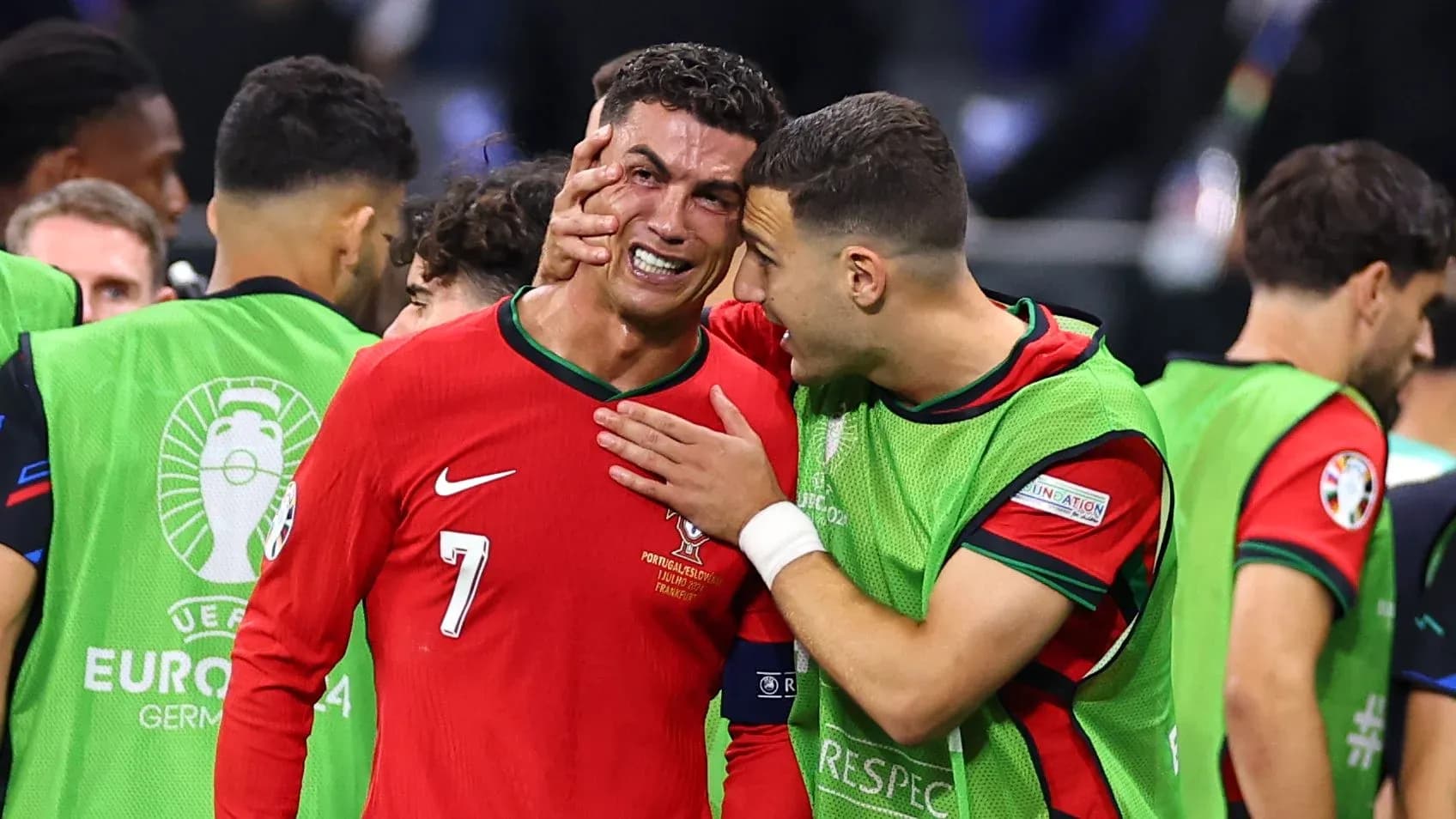
Cristiano Ronaldo is 41 now, yet he still stands at the front of the line, still the standard-bearer for a nation that has grown up with him. As Portugal look toward the 2026 World Cup across the United States, Canada, and Mexico, the feeling around the Seleção is no longer just anticipation. It’s nostalgia creeping in, the quiet knowledge that this could be the last dance on the biggest stage.
For Godinho, who spent half a century inside the Portuguese Football Federation and watched Ronaldo’s international story from its very first page, the hope is simple and impossibly ambitious: that the Al-Nassr star walks away with the only trophy that has ever truly escaped him.
“Let’s hope he’s in a position to retire… with a title of this magnitude,” he told Lusa, before adding the blunt truth that hangs over every veteran. “The body isn’t eternal.”
A Brutal World Cup on the Horizon
Ronaldo’s potential farewell will not come in a gentle setting. The 2026 World Cup is already being framed as one of the toughest in history, a sprawling tournament stretched across a continent and three countries, with European teams forced to wrestle with time zones, climate swings, and endless travel.
Godinho did not sugar-coat it. For him, the danger is not just the opponents. It’s the journey.
“The World Cup will be difficult… because of the fatigue they will bring,” he warned. The best players, the ones who decide tournaments, arrive after long, punishing club seasons. They land in North America already carrying miles in their legs, then face “long journeys, schedule changes and climate” that chip away at performance.
The old administrator knows the difference a few hours of travel can make. “It’s much more difficult to play in the United States than in Germany,” he said, calling the “continental change” a real disadvantage for European sides, Portugal included. Preparation, he insisted, cannot be an afterthought. It has to be the plan.
From Figo’s Shadow to Portugal’s Standard
If anyone understands what it takes to adapt, to survive, to keep winning, it is Ronaldo. Godinho remembers the first time the teenager walked into the national-team camp in 2003, a raw 18-year-old with wild talent and sharper ambition.
He didn’t arrive alone. He walked into a dressing room guarded by giants: Luis Figo, Rui Costa, Fernando Couto. That hierarchy mattered.
“It wasn’t difficult to work with Cristiano,” Godinho recalled. Ronaldo’s debut came against Kazakhstan, but the real test was behind the scenes. He had “a group of players who helped him a lot to understand the dimension of where he was.”
The youngster, Godinho said, was always “extraordinary,” but not untouchable. He listened. He absorbed. He took “tough talk” from older teammates and turned it into fuel. That environment forged what Godinho calls his “winning mentality,” the edge that has kept Ronaldo at the top for two decades and turned him into the reference point for every generation that followed.
Group K: One Last Climb Begins in Houston
The next chapter starts in Group K. Portugal open against the Democratic Republic of Congo on June 17 in Houston, a city that will test lungs and legs as much as tactics. An early win would ease nerves and set a platform. It would also ease the emotional weight of a campaign shadowed by the question of what comes next for their captain.
Godinho knows how important that first step can feel, but he also knows Portugal’s history. Euro 2016 began slowly, almost stumbled, and ended with a trophy in the air and Ronaldo limping, shouting instructions from the touchline.
“The first game is always very important,” he said. Then he pulled the conversation back to reality. “Everything depends on the state of mind, fatigue, and mentality, but I am convinced that with the players and organisational capacity we can get there, but saying we are going to win is premature.”
After Congo, Portugal still have Uzbekistan and Colombia to navigate in the group. None of it will be straightforward. None of it ever is at this level. But every minute Ronaldo spends on the pitch in North America will carry an extra layer of significance. Each run, each free-kick, each celebration will be watched with the knowledge that the clock is ticking.
Godinho, like so many in Portugal, allows himself one dream: to see Cristiano Ronaldo, after all these years, after all these goals, finally lift the World Cup before his body tells him the chase is over.