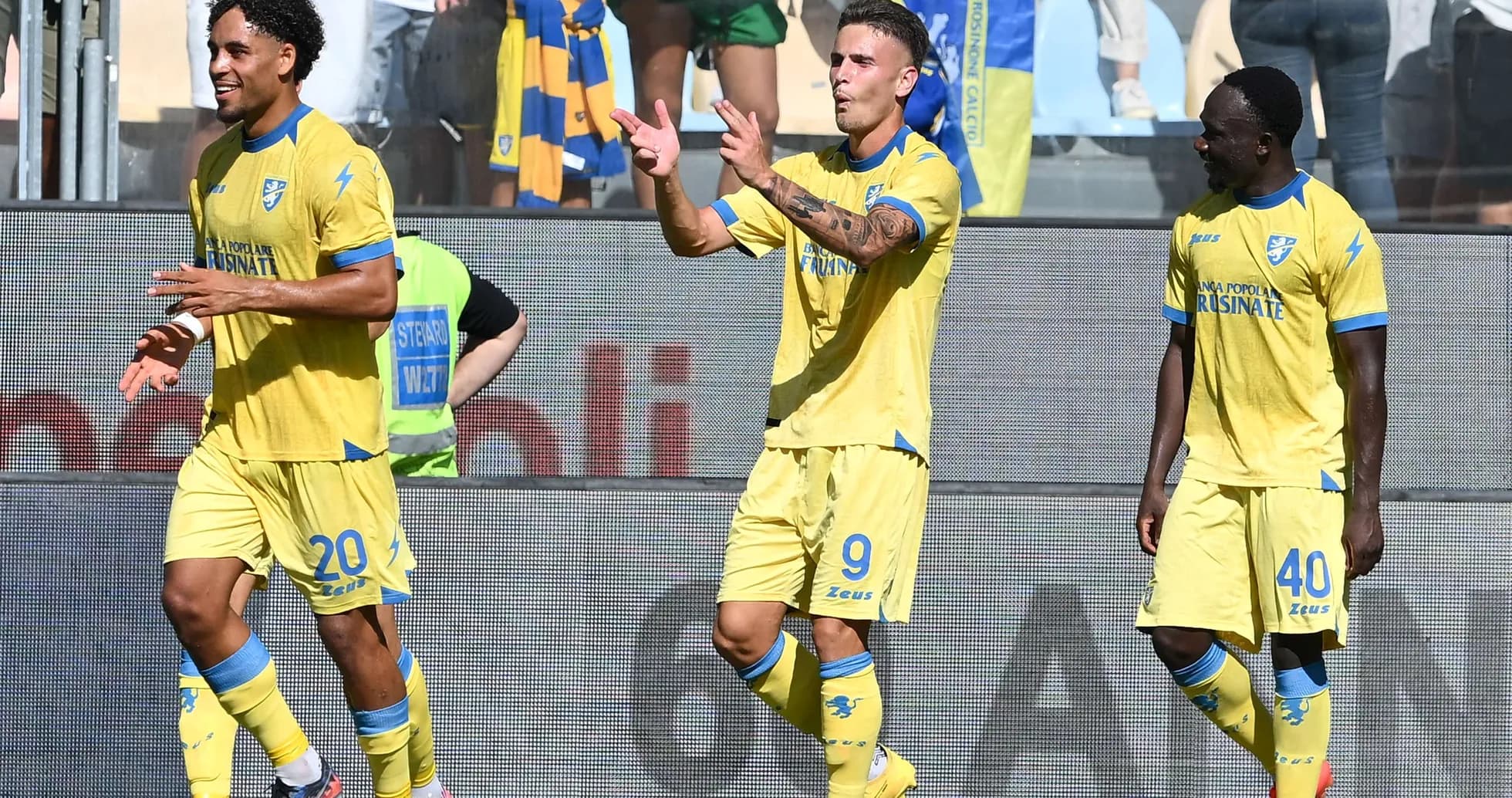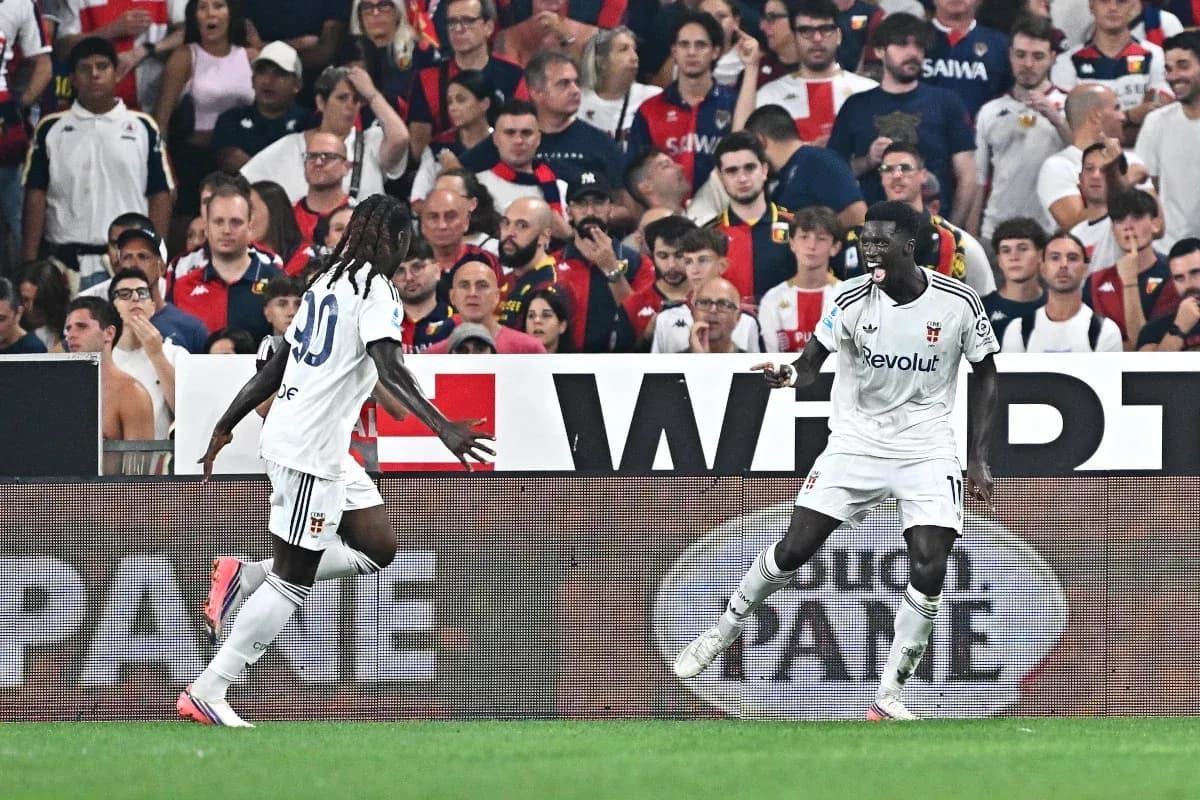
Como's Tactical Mastery Secures 2–1 Victory Over Parma
Under the late afternoon light on Lake Como, Cesc Fabregas’ side walked out at Stadio Giuseppe Sinigaglia carrying the swagger of a team quickly learning the rhythms of Serie A. By full time, a 2–1 win over Parma had confirmed what the early table already hinted: Como are not just tourists in the top flight; they are early protagonists.
Following this result, Como sit 3rd in Serie A with 10 points from 4 matches, still unbeaten with 3 wins and 1 draw. Overall this campaign they have scored 9 goals and conceded 4, for a goal difference of +5. At home, they have now turned 2 goals for and 1 against into a perfect record in front of their own crowd. Parma, by contrast, leave with only 1 point from 4 games, 2 goals scored and 6 conceded overall, a goal difference of -4 that underlines a difficult adaptation to the division.
I. The Big Picture – Fabregas’ structure vs Cuesta’s resistance
On the board, this was a clash of clear identities. Como lined up in their now-familiar 4-2-3-1, the same structure they have used in all 4 league matches. It is a system that suits the technical base Fabregas is building: a double pivot for control, three creative midfielders between the lines, and a lone forward as the reference point.
Parma, under Carlos Cuesta, arrived in a 3-4-2-1, one of three shapes they have used already this season alongside 4-3-3 and 4-4-2. That tactical restlessness reflects a coach still searching for balance. On their travels, Parma have been fragile: they have lost both away matches, scoring 1 goal and conceding 4, with an away average of 0.5 goals scored and 2.0 conceded. Against a Como side that, overall this campaign, averages 2.3 goals scored and 1.0 conceded per match, the matchup was always tilted toward the hosts.
II. Tactical Voids – Absences and discipline
Both teams entered with notable absences that shaped the squad picture. Como were without J. Addai, ruled out with an Achilles tendon injury. His absence removed one more option for Fabregas in the attacking rotations, but the depth on the bench – from Anastasios Douvikas to J. Rodriguez and A. Lahdo – ensured the front line remained well stocked.
Parma missed H. Nicolussi Caviglia due to a groin injury, depriving Cuesta of an additional midfield organiser in a zone where his team already struggles to retain control. That lack of a stabilising presence in the middle would loom large once Como’s technical midfielders began to dictate tempo.
Disciplinary trends added another layer to the tactical risk. Heading into this game, Como’s yellow cards were evenly split: 50.00% between minutes 46–60 and 50.00% between 76–90, suggesting a side that tends to be booked in the more intense, transitional periods of the second half. Parma’s profile was more concerning: 20.00% of their yellows between 46–60, another 20.00% from 61–75, and a pronounced late spike with 40.00% between 76–90, plus 20.00% in added time (91–105). This pattern hints at a team that increasingly defends in emergency mode as games wear on, often under sustained pressure.
III. Key Matchups – Hunter vs Shield, and the engine room
The most intriguing duel lay in the band of three behind the striker for Como, and how Parma’s back three and double pivot would cope with them.
Martin Baturina, already one of Serie A’s standout midfielders this season, came into the fixture with 2 goals and 1 assist in 3 appearances, operating with a rating of 7.17. His 90 passes at 87% accuracy and 3 key passes underline his role as the creative nerve. Assane Diao, also on 2 goals and 1 assist with a rating of 7.2, offers a more vertical threat: 7 shots, 12 dribbles attempted with 6 successful, and 26 duels contested, winning 13. Together, they form a dual “hunter” axis: Baturina between the lines, Diao attacking space and duels.
Behind them, Fabregas’ starting XI added further nuance. L. Da Cunha and M. Perrone in the double pivot provided the platform for N. Paz and Diao to roam, while M. Kean as the lone forward offered depth-running and physical presence. With Como having failed to score in 0 matches overall this campaign, the expectation was always that they would find routes to goal.
Parma’s “shield” was built around the trio of Diego Carlos, M. Troilo and E. Delprato at the back, with V. Sierro and M. Keita central in the four-man midfield line. Yet the numbers heading into the game told a harsh truth: overall this campaign Parma concede an average of 1.5 goals per match, and on their travels that rises to 2.0. They have kept 0 clean sheets both home and away. Their biggest away defeat, 2–0, mirrors the pattern of a team that can be worn down over 90 minutes.
Up front, E. B. Toure, S. Lontani and N. Elphege formed a fluid front three on paper, but with Parma averaging only 0.5 goals per match overall – 1 goal at home and 1 away – the burden on them was enormous. Without a recognised top scorer from the league tables in this squad snapshot, Parma lacked a clear “hunter” to match Como’s attacking leaders.
IV. The Engine Room – Control vs chaos
The centre of the pitch was where the story really unfolded. Como’s season-long numbers show a side comfortable in open games: overall this campaign they score 2.3 and concede 1.0 per match, yet have 0 clean sheets. They do not shut games down; they tilt them in their favour.
Parma, by contrast, are dragged into chaos they rarely control. They have failed to score in 2 of their 4 league matches overall, and with no penalties taken or missed, there is no set-piece safety net to compensate for their lack of open-play threat.
With E. Valeri and S. Britschgi tasked with patrolling the flanks in the 3-4-2-1, Parma needed their wing-backs to both pin Como’s full-backs – Y. Couto and Kaiki – and still recover to protect the back three. Against a 4-2-3-1 that naturally overloads the half-spaces, this was a structural gamble.
V. Statistical Prognosis – Why the result fits the pattern
A 2–1 scoreline aligns almost perfectly with the statistical logic of the matchup. Como’s overall attacking average of 2.3 goals and defensive average of 1.0 fits the pattern of a side likely to score twice and concede once on a typical day. Parma’s overall averages – 0.5 goals scored and 1.5 conceded – point toward a narrow defeat in which they might snatch a goal but struggle to hold firm.
Even without explicit xG values, the underlying trends are clear. Como arrive with a defined system, in-form creators like Baturina and Diao, and a league record that shows they always find a way to score. Parma arrive with a rotating tactical identity, no clean sheets, and a late-game disciplinary profile that suggests they are often under siege in the final quarter of an hour.
At Stadio Giuseppe Sinigaglia, the narrative followed the numbers. Fabregas’ 4-2-3-1 once again provided the framework for controlled aggression, while Cuesta’s 3-4-2-1 offered resistance but not resolution. Following this result, Como’s early-season arc bends toward the Champions League places; Parma’s, for now, still orbits the relegation fight, searching for a settled shape and a reliable scorer to change their story.