Chelsea Faces Backlash Over Enzo Fernandez World Cup Post
Chelsea have found themselves in the firing line again, and this time it wasn’t about a transfer fee, a manager, or a muddled game plan. It was a social media post. Just one, quickly deleted – but not before it detonated among their own supporters.
A Goal, A Post, A Backlash
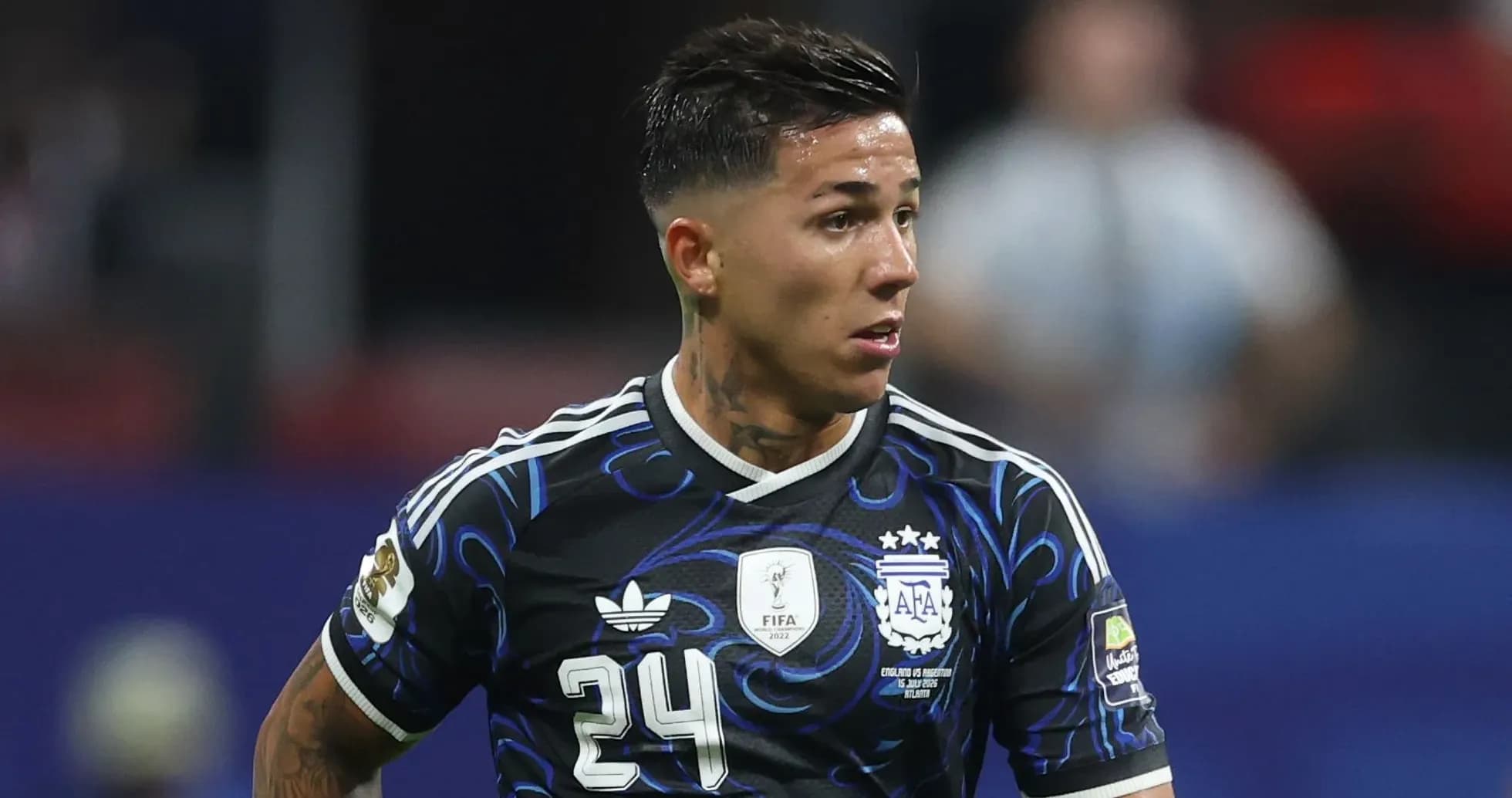
On Wednesday night, Enzo Fernandez dragged Argentina level against England in the World Cup semi-final, a pivotal strike in what became a 2-1 comeback that shattered English hopes of reaching the final. It was a huge moment for the midfielder, a player Chelsea invested a British-record fee in back in 2023 and have since built much of their midfield around.
Chelsea’s official channels chose to celebrate it.
The club posted about Fernandez’s equaliser, spotlighting their man on the biggest stage. Within minutes, the tone of the reaction made it clear many fans saw something else entirely: an English club appearing to cheer the goal that helped knock England out of a World Cup.
The anger was instant and raw. Supporters accused the club of misreading the room, of prioritising brand and player promotion over the emotions of a largely English fanbase still reeling from a painful exit.
One fan’s message on X cut through the noise: “An English club posting this is an absolute disgrace, but then again I expect nothing less from that scum club.” The language was extreme, but it captured the fury swirling around Chelsea’s digital footprint.
The post didn’t last long. Chelsea removed it from their official accounts, though they have offered no explanation for the U-turn. The silence has only fuelled the sense that the club’s judgement, at least online, is badly out of sync with parts of its own support.
Old Wounds, New Questions
For Fernandez, this storm arrives with awkward timing. His international career has already carried controversy into his life at Stamford Bridge.
After Argentina’s Copa America triumph in 2024, he became embroiled in an incident involving offensive chanting. That episode ended with a public apology and internal disciplinary action at Chelsea. The club stood by him, but it left a mark, a reminder that the line between national passion and unacceptable behaviour can be thin – and unforgiving.
Now comes another flashpoint, even if this time the player himself did nothing more than score a crucial goal for his country. The scrutiny, though, has intensified again. To sections of the English public, Fernandez has become a symbol of their frustration: the Argentine star of an English club, at the heart of England’s undoing on the world stage.
Inside Chelsea, the picture is more complicated. On the pitch, Fernandez remains central to their plans. His passing, tempo-setting and aggression without the ball are supposed to define the next era at Stamford Bridge, not just decorate it. He is not a fringe figure; he is one of the pillars.
Yet the club’s attempt to lean into that status online has backfired. What was likely intended as a simple celebration of a marquee player’s World Cup impact instead exposed the delicate balance modern clubs must navigate – global brand versus local heartbeat.
Club, Country and a Career in the Spotlight
The timing of the row only heightens the tension. Fernandez now heads into the World Cup final, where Argentina will face Spain on Sunday, July 19. He goes there as a key figure in Lionel Scaloni’s plans, carrying the expectation of helping his country chase yet another world title.
His focus, at least publicly, will be locked on that stage. The noise around Chelsea will have to wait.
It won’t disappear, though. Away from international duty, speculation over his long-term future in west London refuses to fade. Real Madrid continue to be regularly linked with the midfielder, their interest a constant hum behind every standout performance in an Argentina shirt.
For now, Chelsea can only watch as one of their most valuable assets commands the spotlight for his country while controversy circles at home. They have deleted a post, but not the questions it raised.
How long can a club with global ambitions afford to keep misreading the mood of its own supporters – and what happens if their most scrutinised star decides that his next defining goal should come in another club’s colours?