Brazil Aims to Break 24-Year World Cup Drought in 2026
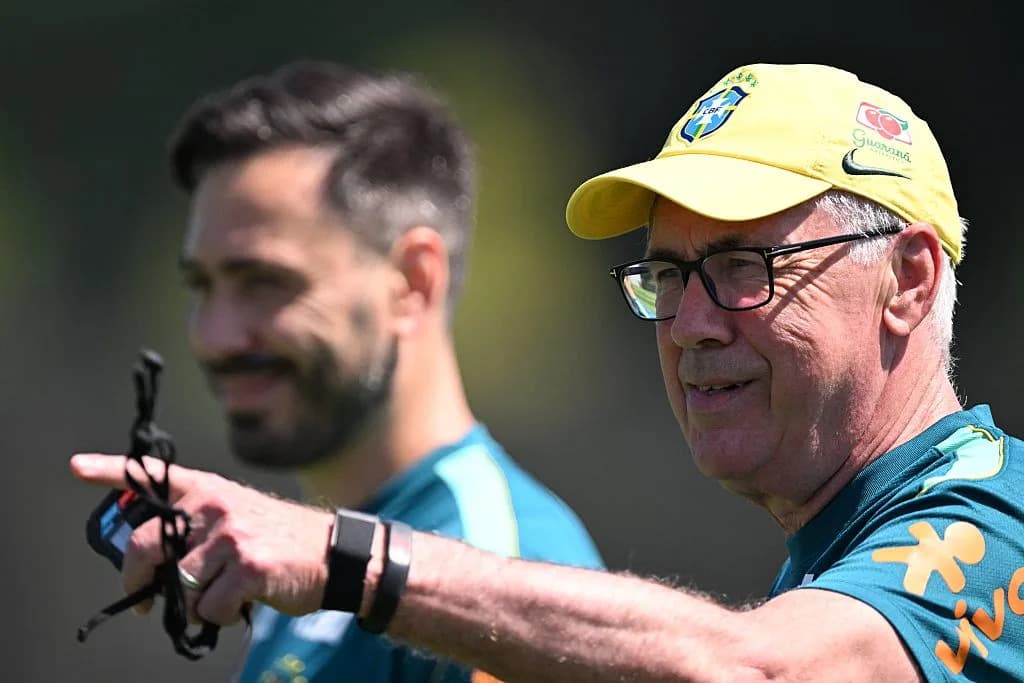
After 24 years without World Cup success, Brazil is set to chase its sixth star this summer in North America. The nation, passionate about soccer, has won the tournament more times than any other country, but their last victory in 2002 now seems a distant memory amid years of disappointment.
Since then, France halted Brazil in the 2006 quarterfinals, the Netherlands did the same in 2010, and Germany delivered one of the sport’s most crushing defeats on home soil in 2014 with a 7-1 loss that left fans devastated. Subsequent quarterfinal exits followed in both 2018 and 2022.
Generations have grown up without witnessing Brazil lift the trophy. Tales of Ronaldo Nazário’s 2002 heroics or Romário’s role in ending the previous drought in 1994 have become part of the national lore. Older fans recount moments from Mexico 1970 and Garrincha’s brilliance in 1962, while fewer still recall a teenage Pelé’s genius in 1958.
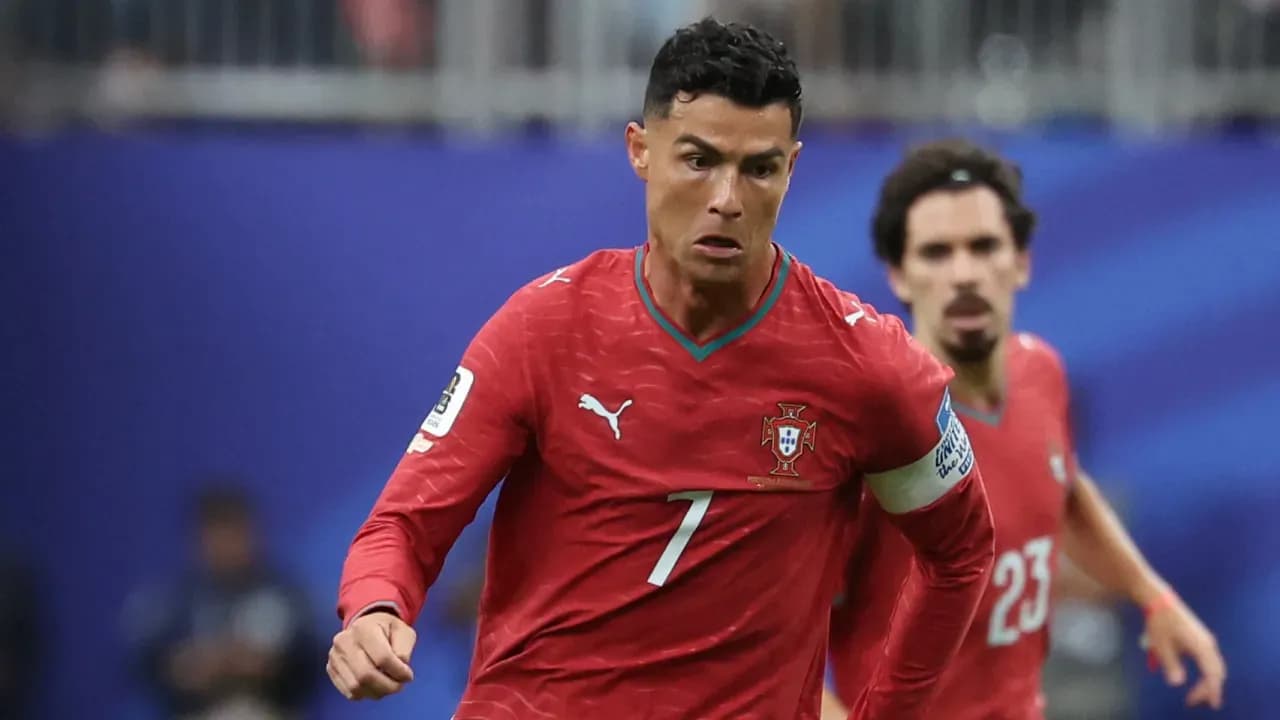
Now, a new generation led by Vinícius Júnior aims to carve out its own legacy.
Expectations at an Unusually Low Point
A recent April poll by Datafolha shows only 29% of Brazilians believe the team will win the World Cup, the lowest confidence level since 1994. Nearly half doubt the team will progress beyond the quarterfinals, where they have stumbled in the past two tournaments.
These doubts stem partly from off-field troubles and poor performances during qualifiers. In May 2025, a Rio court removed former Brazilian Football Confederation (CBF) president Ednaldo Rodrigues over election document fraud just days after Carlo Ancelotti was appointed head coach. Brazil endured its worst qualifying campaign ever, finishing fifth in CONMEBOL with 28 points, trailing archrival Argentina by 10 points. A crushing 4-1 loss to Argentina in Buenos Aires was particularly humiliating.
Captain Marquinhos publicly apologized for the defeat, calling it “embarrassing” and promising it wouldn’t happen again. The poor results led to Dorival Júnior’s dismissal and Ancelotti’s arrival.
The Shadow of Belo Horizonte
Brazil's decline in international football is symbolized by the chaotic semifinal loss to Germany at Mineirão Stadium on July 8, 2014. Trailing 5-0 after just 30 minutes and ultimately losing 7-1, the match — dubbed the Mineiraço — remains one of Brazilian sport’s darkest moments.
“7-1 has entered the language,” said South American soccer expert Tim Vickery. “It’s used to describe any huge, humiliating defeat. That stain won’t fade soon. The only way forward is winning the World Cup.”
Brazil must overcome European teams in knockout rounds to claim the title, something not achieved since beating Germany in 2002. Recent heartbreaks came at the hands of France, the Netherlands, Germany, Belgium, and Croatia.
If Brazil tops Group C as expected, they could face England, finalists in Euro 2020 and 2024, in the quarterfinals. Even if victorious, many fans will only be satisfied with lifting the trophy.
1970: The Benchmark for Brazilian Soccer
The 1970 World Cup team is iconic, often cited as the greatest expression of Brazilian soccer style. That team, featuring Pelé, captivated the world with skill and flair, setting a standard that weighs on future squads.
Before that, Brazil was behind Argentina and Uruguay in South America. Winning the 1970 final against Italy added a third star and secured permanent ownership of the Jules Rimet Trophy. The team's style became synonymous with excellence in football.
Every World Cup since has been measured against 1970’s brilliance. This expectation has pressured teams to not only win but do so with elegance. The 1982 squad is remembered fondly despite not winning because of their style of play.
Recently, Brazil’s failure to win combined with a lack of stylistic dominance has heightened the sense of a crisis.
Vinícius Júnior: Brazil’s Leading Light
Each Brazilian World Cup champion had a standout player: Pelé, Garrincha, Romário, Ronaldo. Now, Vinícius Júnior is expected to fill those shoes.
“It’s his cup. It’s the cup for him to shine and stand out,” said Brazil’s 2002 captain Cafu. “If he stays calm and realizes this is his moment, he will help Brazil greatly.”
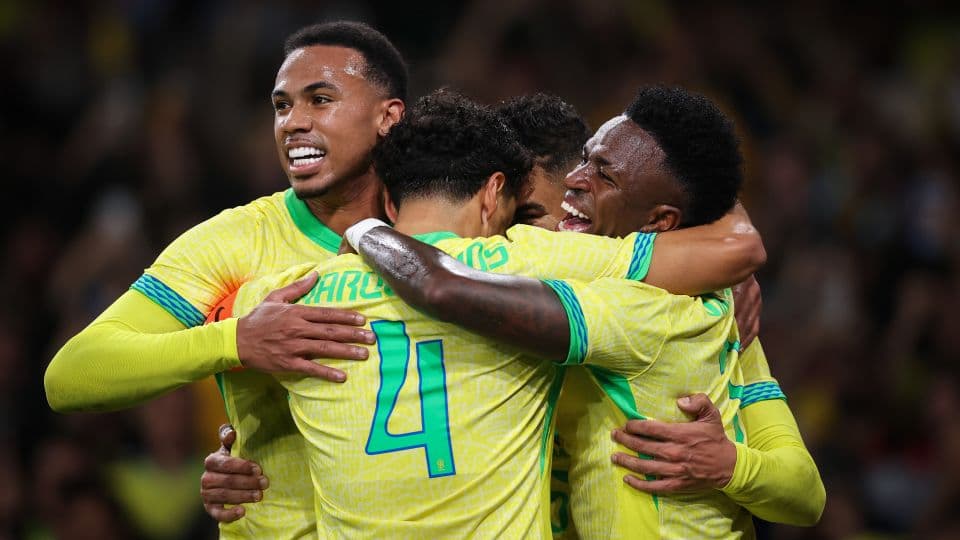
At 25, Vinícius has matured from a promising talent into a leader, already earning Player of the Match honors in all three group games while scoring each time. He’s joined elite company as the first Brazilian to score in every group match since Ronaldo and Rivaldo in 2002.
With two Champions League titles, a Ballon d’Or runner-up finish, and FIFA’s best men’s player award in 2024, his resume is impressive. Yet winning Brazil’s sixth World Cup would put him in a different league.
Neymar’s Possible Farewell
Carlo Ancelotti’s selection of 34-year-old Neymar surprised some. The veteran has battled injuries and last played for Brazil in October 2023. Still, his call-up sparked joy among fans, chanting his name across Rio.
Neymar embodies the flair Brazil showed in 1970 and carries hopes linked to that painful 2014 World Cup. He missed the infamous Belo Horizonte semifinal due to injury but remains a source of inspiration.
“We don’t need to debate whether Neymar should be in the squad,” said Brazilian legend Ronaldo. “He might not play every match, but he’s crucial and has proven his worth.”
Ronaldo urged fans to believe and flood the streets with flags, hoping for Brazil’s sixth title.
Roberto Carlos, another 2002 winner, encouraged the team to play with love, reminding them of the beauty of competing and making history.
The Road Ahead
The next test comes Sunday as Brazil faces Norway, led by Erling Haaland, at MetLife Stadium in New York. With a quarterfinal spot on the line, the Seleção seeks to reach the final four for the first time since 2014.