Brazil's 2026 World Cup Exit: How Ancelotti's Team Fell to Norway in Round of 16
Brazil has faced its share of World Cup disappointments in recent years, and the 2026 tournament added another chapter with a Round of 16 loss to Norway. At MetLife Stadium, a 2-1 defeat to Erling Haaland’s side ended Carlo Ancelotti’s campaign abruptly, continuing Brazil’s struggle to reach the semifinals since their last title in 2002.
This marked the fifth time in six tournaments that Brazil failed to make the final four, their only semifinal appearance marred by a crushing home defeat to Germany. The Sporting News examines where things went wrong for Brazil and how they might rebuild before the 2030 World Cup.
Missed Opportunities Cost Brazil Dearly
The clearest issue was finishing. Brazil consistently fell short of converting chances, underperforming their expected goals (xG) in four out of five matches. Although they scored 10 goals on an overall xG of 12.02, this statistic is skewed by a dominant match against Haiti where they netted four goals on just 1.75 xG. Removing that game, Brazil managed only six goals from 10.27 xG across the rest of their fixtures.
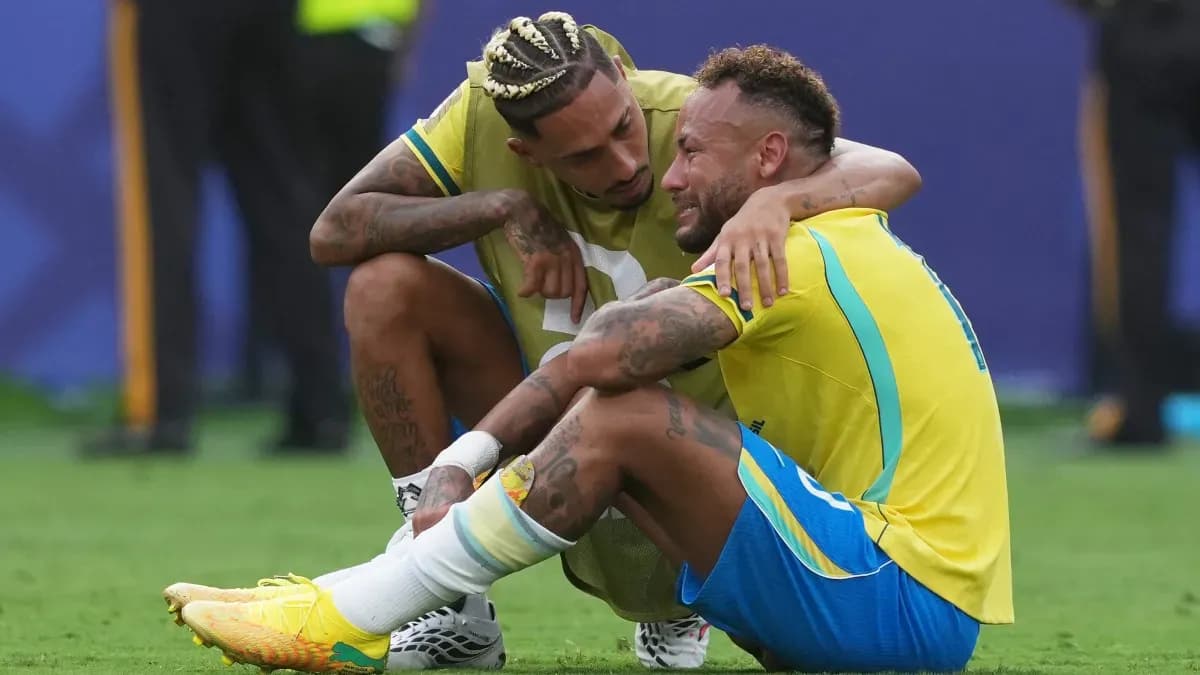
In the knockout clash with Norway, key moments slipped away. Bruno Guimaraes missed a penalty, and Endrick wasted a one-on-one opportunity. These misses proved decisive. Brazil’s opener against Morocco also exposed poor finishing, particularly from Igor Thiago, who never returned to the field after his struggles.
Vinicius Jr. found the net regularly but lacked consistent support from teammates.
Midfield Challenges Forced Tactical Adjustments
Brazil’s midfield was a weak link, compelling Ancelotti to shift his approach. Veteran Casemiro, though showing signs of life at Manchester United earlier in the year, faltered during the World Cup. At 34, he became a liability beyond his aerial threat and was substituted at halftime twice, yet still started most matches.
Lucas Paqueta struggled until injury removed him from contention. Bruno Guimaraes stood out as relatively solid but bore too much responsibility—defending, maintaining possession, resisting pressure, and creating chances. The burden stifled his effectiveness, leaving Brazil’s midfield too thin to dominate.
Defensive Wobbles at Critical Moments
Brazil’s defense was expected to be a strength, featuring Marquinhos and Gabriel from this season’s Champions League finalists. Yet, both faltered when it mattered. Gabriel especially suffered, repeatedly exploited by club rival Erling Haaland, including on Norway’s opening goal.
The pair often retreated too deep under pressure and failed to close down attackers effectively. Haaland’s second goal came when no defender challenged him as he struck the ball into the far corner.
Injuries Weakened Brazil’s Squad Depth
Losing Raphinha and Lucas Paqueta disrupted Brazil’s lineup significantly. Raphinha’s absence was a major blow; his role as a world-class off-ball winger for Barcelona made him a perfect complement to Vinicius Jr.’s attacking style. Without him, young Bournemouth player Rayan took over but couldn’t replicate that influence, causing a noticeable drop in quality on the flank.
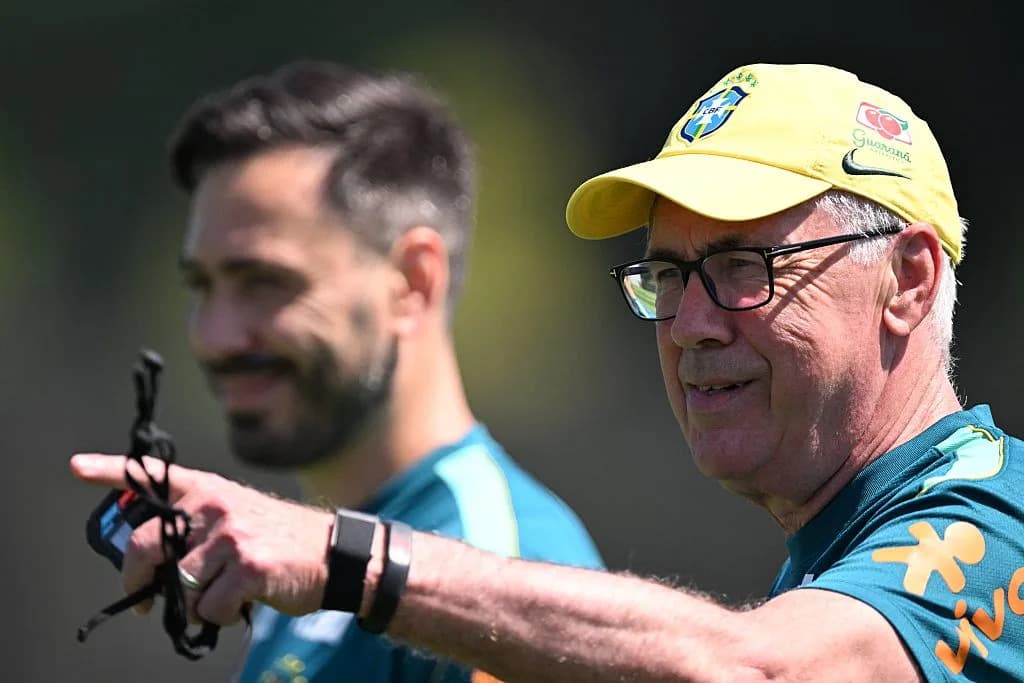
Ancelotti Outmaneuvered by Solbakken
Norway coach Stale Solbakken outsmarted Ancelotti tactically. Brazil conceded possession intentionally, betting Norway would struggle to create. That patience paid off for Norway, who waited for openings to feed Haaland. As Brazil eventually pushed forward, Norway capitalized on counterattacks.
"That was our plan, to keep the ball as much as we could and from the beginning we knew we would have the ball," Solbakken told The Sporting News. "We wanted to be slow... We knew Brazil's counter-attacking goes very fast, so we wanted to counteract that by keeping the ball."
The strategy ultimately undid Brazil’s hopes. Ancelotti is renowned globally but found himself outcoached in this crucial match.