Jude Bellingham's Impact on England's Midfield Plans
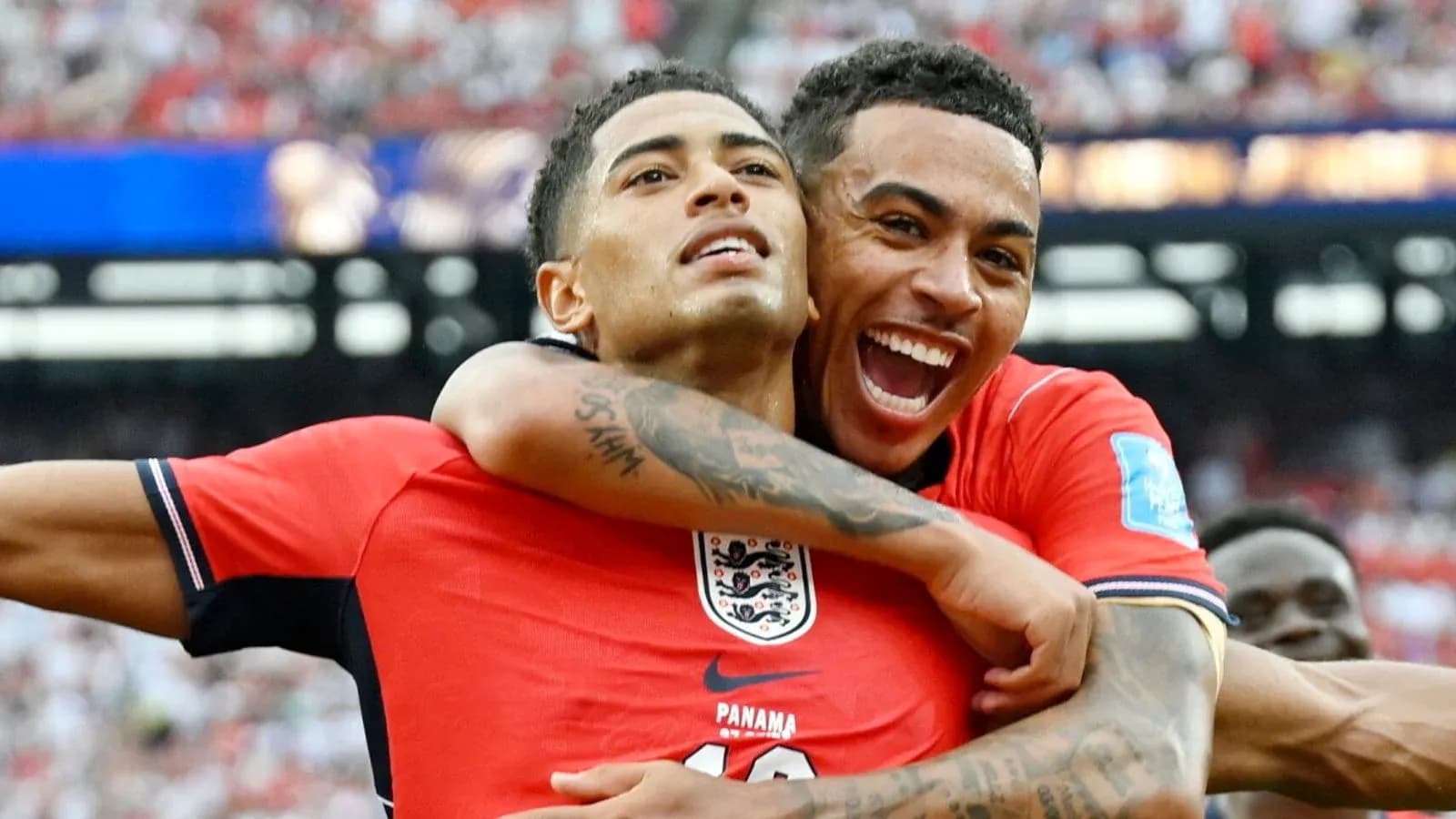
Thomas Tuchel walked away from England’s 2-0 win over Panama with the result he wanted and a fresh problem he didn’t. Jude Bellingham, unleashed from a deeper role, has ripped up the manager’s carefully drawn midfield plan on the eve of the knockout rounds.
This was supposed to be Declan Rice’s territory. Now it isn’t quite so simple.
Bellingham bends the blueprint
Lining up alongside Elliot Anderson, Bellingham ran the game from deep. He scored, he assisted, he demanded the ball, and he dragged England forward with the kind of restless energy that has already become his trademark.
Paul Merson watched it and saw a headache brewing.
That deeper role is exactly where Rice usually operates, and in Merson’s eyes, a fully fit Rice is non-negotiable. “Rice plays,” is his blunt assessment. Against the bigger nations, England will need his security, his positioning, his knack for extinguishing fires before they spread.
But Bellingham’s display against Panama did something Rice rarely does. It made him impossible to track.
From deeper positions, Bellingham arrived late, surged past markers and popped up in pockets that Panama’s defenders simply couldn’t get a grip on. When he played as a No 10 against Ghana, he kept showing for the ball but rarely received it. The space in there vanished, the game jammed up, and his influence shrank.
Morgan Rogers discovered the same problem in the No 10 role against Panama. He barely had a touch. The middle of the pitch turned into rush-hour traffic, and England’s creative hub never quite switched on.
From deep, Bellingham escaped that congestion. That’s the crux of Tuchel’s dilemma.
Rice, Bellingham… and then what?
So what does Tuchel do now? Rice comes back in. That much seems inevitable. England will not go far in this World Cup without their midfield anchor.
The question is what happens around him.
Pairing Rice with Bellingham feels like the obvious solution, but it pushes someone out. Most likely Anderson, who has quietly impressed. It also throws up another issue: if Bellingham drops deeper alongside Rice, who takes on the No 10 role?
Rogers didn’t exactly seize his chance. Bellingham, when used there against Ghana, found himself starved of service. England’s structure hasn’t yet found a reliable way to feed the playmaker between the lines.
That is the tactical knot Tuchel has to untangle before DR Congo on Wednesday. Because whoever plays as the No 10, they have to see the ball. They have to influence the game. Right now, that supply line looks fragile.
Merson’s point is clear: England must work out how to get the ball consistently into their No 8s and No 10s – and especially into Bellingham. Not occasionally. Relentlessly.
He draws the obvious comparison. Argentina give Lionel Messi the ball in tight spaces and trust him to sort it out. Bellingham is not Messi, but he shares that fearlessness in traffic. England, Merson argues, need to grow the same conviction: if he’s free, however tight it looks, give it to him.
DR Congo will not open the pitch up for them. They will sit deep, pack the middle, and drag England into the same kind of crowded game Bellingham faced against Ghana. If Tuchel restores him to the No 10 role, he risks watching his most dynamic midfielder spend another night chasing shadows rather than dictating.
Wingers stuck in second gear
Out wide, England are still waiting for someone to light the fuse.
Against Panama, the ball moved quickly to the flanks, but every time a winger received it, two defenders closed in. Marcus Rashford saw plenty of the ball in the first half and did little with it. The clamour for him to start ahead of Anthony Gordon met reality: possession, yes; penetration, no.
On the opposite side, Bukayo Saka looks short of his usual sharpness. Merson wonders if he might be carrying a minor knock, but he still believes Saka simply has to start the big games. Even below his peak, his intelligence and end product make him hard to ignore.
The encouraging twist? None of England’s four wingers have truly caught fire yet. Merson sees that as a positive rather than a problem. They have been six out of 10 so far. If they climb even a couple of levels as the tournament deepens, they could turn tight knockout games on their own.
The goals have been shared around. Harry Kane has scored. The defence held firm against Ghana. Bellingham took centre stage against Panama. This is not a one-man operation.
It can’t be. Not if England want to stay in this World Cup long enough to matter.
A seven out of 10 – with room to grow
Across the group stage – Croatia, Ghana, Panama – Merson gives England a solid seven out of 10. Job done, nothing more. Enough to advance, not enough to frighten the heavyweights.
He doesn’t buy the idea that a team can simply flick a switch in the knockouts. Form, he insists, needs to build game by game. Momentum has to be earned.
The wider landscape offers both warning and opportunity. France look devastating going forward. Spain are Spain: technically immaculate, but they often leave the door ajar. Colombia impressed Merson with their pace, energy and comfort in the conditions. All of them can hurt you. None of them feel untouchable.
That’s the beauty – and the danger – of this World Cup. On any given day, a good team with a good plan can knock out a favourite. England sit squarely in that group. They have enough talent to beat anyone. They also have enough flaws to be sent home early.
Merson sees the warning signs. The flat spells against Ghana. The reality checks even in victory over Panama. The sense that England still haven’t quite found their top gear.
But they are here. In the last 32. Alive in a wide-open tournament.
Rice will return. Bellingham has forced the issue. The wingers are due a breakout. The margins are shrinking.
Now it comes down to Tuchel’s choices – and whether England can finally reproduce, under real pressure, the fluency they showed against Croatia. Because if they can, this team doesn’t just have a chance of going far.
It has a chance of winning the whole thing.