Bayern vs PSG: Champions League Semi-Final Stalemate Analysis
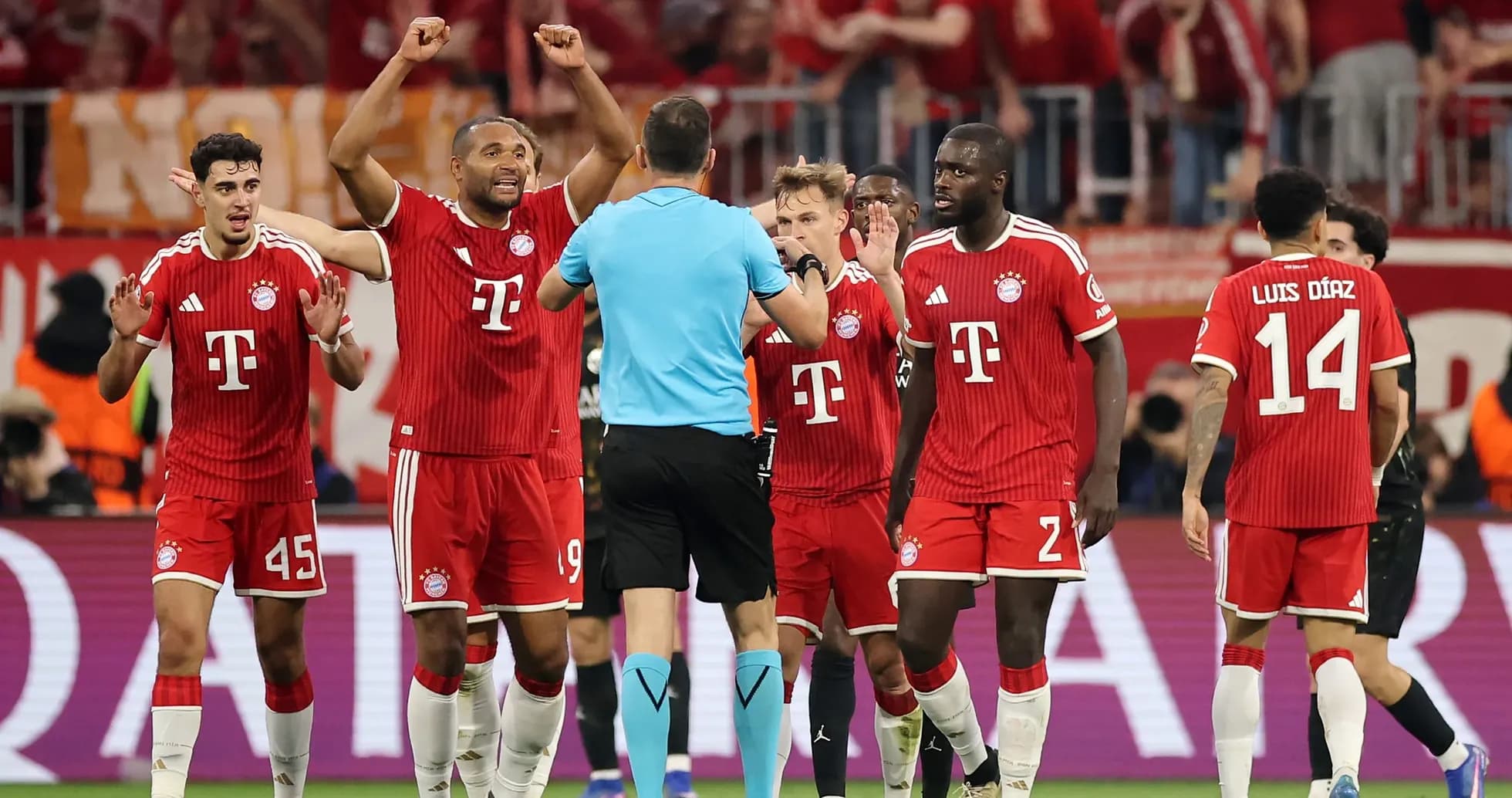
Under the lights of the Allianz Arena, a semi‑final that finished 1–1 felt less like a conclusion and more like a carefully poised cliffhanger. Following this result, Bayern München’s machine‑like Champions League campaign met its first real standstill at home, while Paris Saint Germain walked away knowing they had bent, but not broken, one of Europe’s most ruthless home sides.
I. The Big Picture – Two Heavyweights, One Stalemate
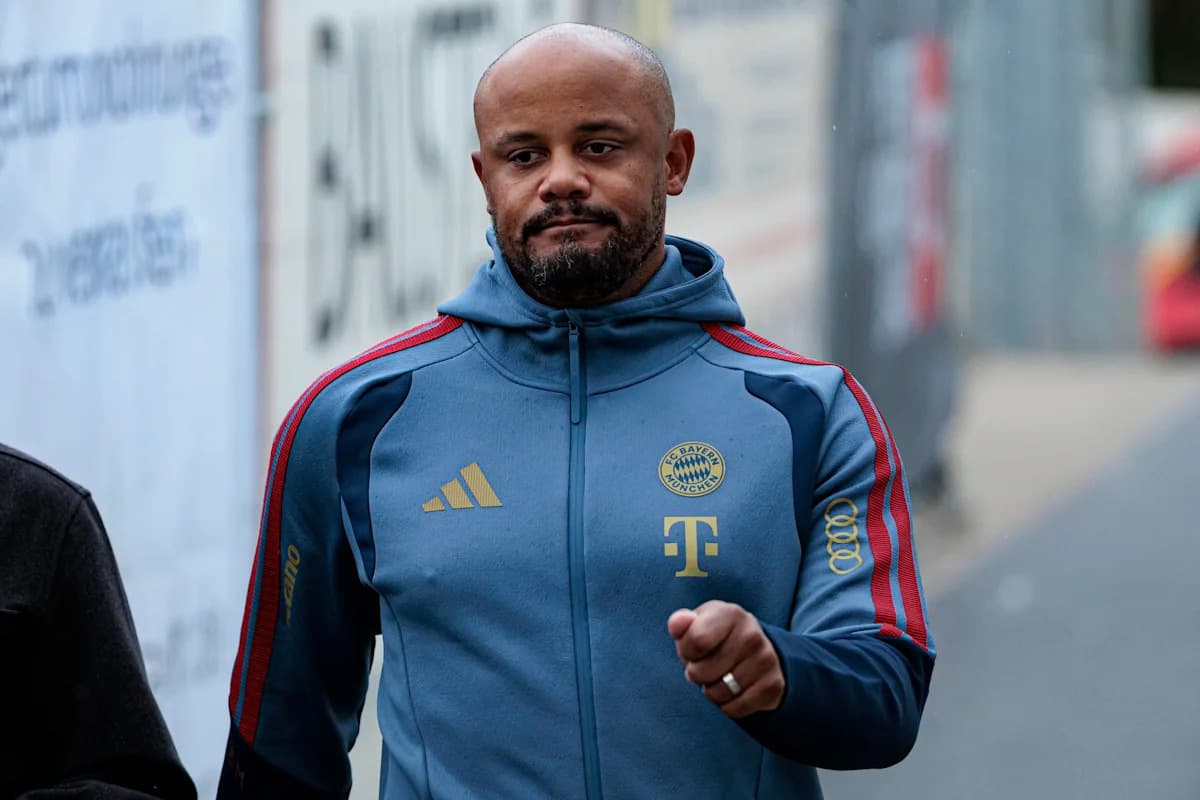
This was not a meeting of equals on paper. Heading into this game, Bayern sat 2nd in the overall Champions League standings snapshot with 21 points, built on 7 wins from 8 and a goal difference of 14 (22 goals for, 8 against). At home they had been perfect: 4 wins from 4, with 12 goals scored and just 2 conceded. Their seasonal profile under Vincent Kompany is clear from the wider stats: across the campaign they have played 14 matches in total, winning 11, drawing 1 and losing only 2. They average 3.0 goals at home and 3.1 on their travels, an attacking juggernaut supported by a goalsAgainst average of just 1.0 at home.
PSG arrived as the more volatile contender. In the broader Champions League table snapshot they sit 11th with 14 points from 8 games, goal difference 10 (21 scored, 11 conceded). Yet their season‑long Champions League statistics tell of a side that can live with anyone: 16 fixtures in total, 10 wins, 4 draws, 2 defeats, and 44 goals scored overall. At home they average 3.1 goals, on their travels 2.4, with only 1.0 goal conceded away on average. This is not a fragile traveller; this is a side that can go toe‑to‑toe with Bayern’s firepower.
On the night, the 1–1 scoreline – Bayern recovering from a 0–1 half‑time deficit – leaves the tie balanced on a knife edge. But the way the squads were constructed and deployed offers a roadmap for the second leg.
II. Tactical Voids – Who Was Missing, and What It Cost
Both coaches were forced to redraw their plans by absences that cut to the heart of their usual structures.
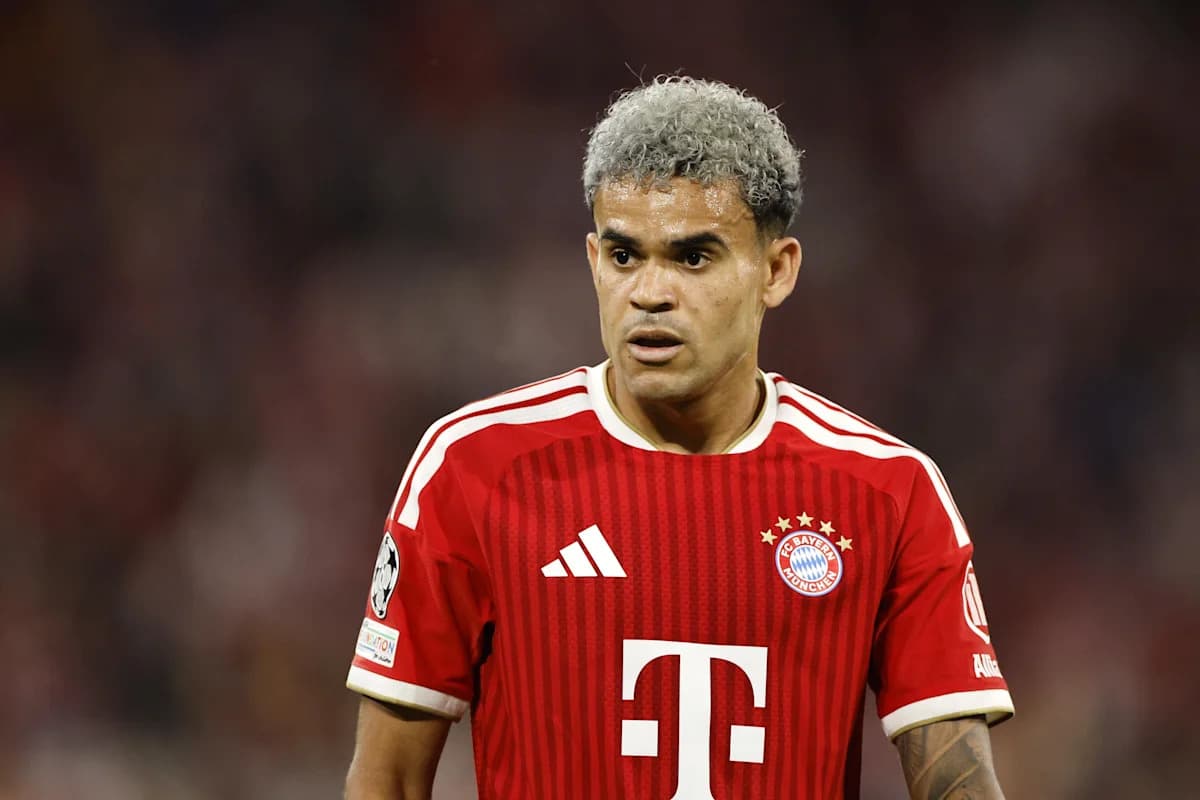
For Bayern, the list of missing players was long: M. Cardozo (thigh), S. Gnabry (muscle), C. Kiala (ankle), W. Mike (hip) and B. Ndiaye (inactive) were all unavailable. The headline loss is Gnabry. He has 5 assists in this Champions League campaign, a direct, vertical runner who usually adds a different flavour to the right‑sided rotation. Without him, Kompany leaned fully into the technical creativity of M. Olise and L. Díaz, both starters in the 4‑2‑3‑1. It made Bayern more intricate, less explosive in transition.
PSG’s absentees were more structural. L. Chevalier (muscle), A. Hakimi (thigh) and Q. Ndjantou (muscle) all missed out. Hakimi’s absence is enormous: 6 assists in this Champions League season, a constant outlet on the right and a key figure in PSG’s ability to stretch blocks. In his place, W. Zaire‑Emery was deployed as a nominal right‑back in a 4‑3‑3, reshaping the back line into something more conservative, less overlapping.
Disciplinary profiles also hung over the contest. Bayern’s J. Kimmich and K. Laimer each carry 4 yellow cards in this Champions League campaign, and their team’s yellow‑card distribution shows a pronounced late‑game spike: 37.04% of their yellows arrive between 76–90 minutes. PSG mirror that volatility: 42.86% of their yellows also come in the 76–90 window. In a semi‑final where every duel matters, both midfields live dangerously in the closing stages, and that nervous edge was evident as tackles sharpened in the final quarter.
III. Key Matchups – Hunter vs Shield, Engine Room vs Enforcer
Hunter vs Shield
No individual duel defines this tie more than H. Kane against PSG’s defensive structure. Kane has been the Champions League’s most devastating finisher: 14 goals and 2 assists in 13 appearances, from 36 shots with 25 on target. He has also won 2 penalties and scored 4 in the competition, though he has missed 1 – a reminder that even his ruthlessness is not flawless.
He operates in front of a creative band that is elite in its own right. L. Díaz has 7 goals and 3 assists, M. Olise 5 goals and 6 assists, both comfortable carrying the ball and breaking lines. Bayern’s overall attacking identity is clear: they have scored 43 goals in total this Champions League season, averaging 3.1 per match across all venues, and have failed to score in 0 fixtures.
Against that stands a PSG back line that, in this campaign, has been quietly efficient away from home. On their travels they concede only 1.0 goal on average, with 3 away clean sheets from 8 away games. Marquinhos and W. Pacho form a central pairing designed to absorb pressure rather than chase high. N. Mendes on the left must balance his forward surges with the need to contain Olise’s dribbling (75 attempts, 45 successful) and Díaz’s one‑v‑one threat.
Yet PSG are not merely reactive. Their own “hunter” is K. Kvaratskhelia, who has 10 goals and 6 assists in the Champions League, sitting near the top of both scoring and assisting charts. He is supported by O. Dembélé (7 goals, 2 assists) and D. Doué (5 goals, 4 assists), forming a front three that can hurt Bayern in transition and in settled possession. Bayern’s defence, which concedes 1.0 goal on average at home and has only 2 home clean sheets, will again be asked to live on the edge.
Engine Room – Playmakers vs Enforcers
The centre of the pitch is where this semi‑final may ultimately be decided. For Bayern, J. Kimmich is the metronome and the shield. Across the competition he has completed 1117 passes with 90% accuracy, creating 30 key passes and adding 2 assists. He has also committed only 2 fouls while drawing 19, a picture of controlled aggression. Alongside him, A. Pavlovic offers balance, allowing Kimmich to step into higher zones when needed.
Opposite them, Vitinha and J. Neves form the brain of PSG’s 4‑3‑3. Vitinha’s Champions League numbers are extraordinary: 1553 passes at 93% accuracy, 23 key passes, 6 goals and 1 assist, plus 25 tackles and 17 interceptions. He is both playmaker and ball‑winner, the perfect foil for PSG’s high‑risk forwards. Neves adds bite and circulation, while F. Ruiz provides the left‑footed angles.
This is where the disciplinary undercurrent bites hardest. Bayern’s late‑game yellow‑card surge (37.04% between 76–90) intersects with PSG’s own late spike (42.86% in the same window). As legs tire and spaces open, Kimmich, Laimer (25 tackles, 20 fouls committed) and the PSG trio will be tempted into riskier challenges. Any suspension or in‑match dismissal here could tilt the second leg dramatically.
IV. Statistical Prognosis – Margins, xG Logic and the Road Ahead
We do not have explicit xG numbers, but the structural data points towards a second leg defined by fine margins rather than chaos. Bayern’s overall goalsFor average of 3.1 and goalsAgainst average of 1.4, set against PSG’s 2.8 goalsFor and 1.4 goalsAgainst overall, suggest a contest where both sides are used to creating and conceding in similar bands.
Bayern’s penalty record is pristine at team level this season – 4 scored from 4, 100.00% – but Kane’s personal tally includes that single miss, and PSG’s own penalty takers have also shown human frailty: O. Dembélé and Vitinha each have 1 scored and 1 missed in this Champions League campaign. In a tie that may hinge on a single moment from 12 yards, neither side can claim absolute certainty.
Defensively, PSG’s away record – 8 goals conceded in 8 away matches, 3 away clean sheets – gives them a platform to trust their structure in the second leg. Bayern, meanwhile, lean on volume: 43 goals overall, and a home record that had been flawless before this draw. Their 2 clean sheets at home in the competition underline that they can, on the right night, suffocate opponents.
Narratively, this semi‑final now turns into a battle between Bayern’s relentless attacking patterns and PSG’s capacity to strike with precision. Kane versus Marquinhos, Kvaratskhelia versus Upamecano and Tah, Kimmich versus Vitinha – these are not just matchups, they are fault lines. Statistically, a narrow Bayern edge in chance volume meets a PSG side with the away defensive solidity to withstand storms and the attacking talent to punish any lapse.
Following this result, the tie moves into its decisive chapter with no clear favourite, only the sense that one mistake in the engine room or one mistimed challenge in that combustible 76–90 minute window could redraw the entire story.