Barcelona's Financial Surge: A Rise to $7.5 Billion Valuation
Barcelona’s summer has not just been about big signings and a feel‑good mood on the pitch. The numbers off it are starting to look like peak-era Barça again.
Deco’s first major transfer window in charge of sporting decisions underlined that shift. Anthony Gordon, Karim Adeyemi, Rodri, Joao Cancelo and Gabriel Jesus all arrived, a level of investment that would have been unthinkable not long ago when every move was weighed against strict financial restraints. The handbrake has come off.
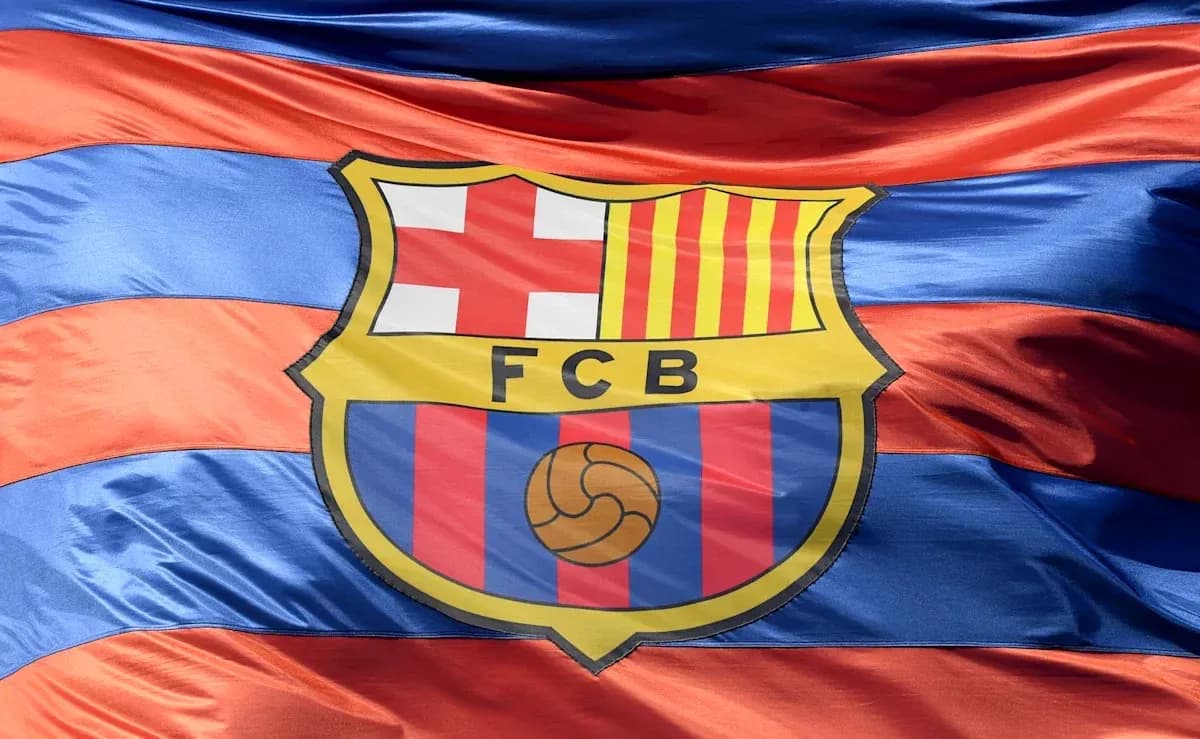
Now there is a fresh seal of approval from the business world. According to figures relayed by Mundo Deportivo, Forbes has ranked FC Barcelona as the second-most valuable football club on the planet, with a valuation of $7.5 billion. That is a huge jump from last year’s $5.65 billion – a rise of 33 percent in just twelve months.
The Catalans have moved past Manchester United, who sit at $7.2 billion, and now trail only Real Madrid, valued at $9.5 billion. The clásico rivalry has spilled directly into the balance sheet.
A club on the rise – and not at full power yet
The surge in value comes alongside major growth in Barcelona’s wider business. The club is expected to announce record revenue for the 2025-26 financial year, closing in on €1.1 billion after generating €994 million in the previous season. That alone would have been headline news a couple of years ago.
What makes the Forbes valuation particularly striking is its timing. The assessment is based on data from the end of the 2024-25 season, when Barcelona were still a long way from enjoying the full financial impact of their rebuilt home.
Even so, the breakdown of that $7.5 billion tells a story of a club with multiple powerful engines. Forbes attributes $3.012 billion of the valuation to commercial operations, $1.682 billion to broadcasting, $1.454 billion to ticketing and matchday activities, and $1.352 billion to the Barcelona brand itself. The badge, the colours, the idea of Barça – all of it still sells.
And yet, one of their main revenue levers is only partially pulled.
Spotify Camp Nou: the next financial weapon
Real Madrid have already turned the renovated Santiago Bernabeu into a 21st‑century cash machine, operating at full capacity with its premium areas humming. Barcelona are still in the process of unlocking what Spotify Camp Nou can do.
Once fully completed, the stadium is projected to hold 104,600 supporters, with around 9,400 VIP seats built into the design. Parts of those new premium zones will already open during this season, but the real financial punch will come when every area is up and running.
The return to Camp Nou has already provided a clear boost. More fans, more hospitality, more matchday experiences to sell. That creates a wide runway for ticketing and hospitality income to climb well beyond the figures currently feeding into the Forbes model.
On top of that sits a squad built for the modern global market: young, competitive, and fronted by emerging stars such as Lamine Yamal. A winning team with a fresh face at the front of the project is exactly what sponsors and broadcasters want.
Chasing Madrid, closing the gap
Barcelona still have ground to make up. Real Madrid’s valuation remains a full $2 billion higher, a gap that cannot be brushed aside with optimism alone.
But the direction of travel is hard to ignore. A 33 percent rise in a single year, achieved while their most important commercial asset – the stadium – is only partly operational, suggests there is more growth waiting to be tapped.
On the pitch, the sporting project has been tooled to compete at the highest level again. Off it, the club is rebuilding its financial muscle with record revenues and a stadium poised to become a money-maker on the scale of any in world sport.
If Spotify Camp Nou delivers the revenue Barcelona expect, the question will not be whether they can keep pace with Madrid in the accounts. It will be how long it takes before they stand alone at the top of the list.