AS Roma vs Atalanta: Serie A Clash Overview
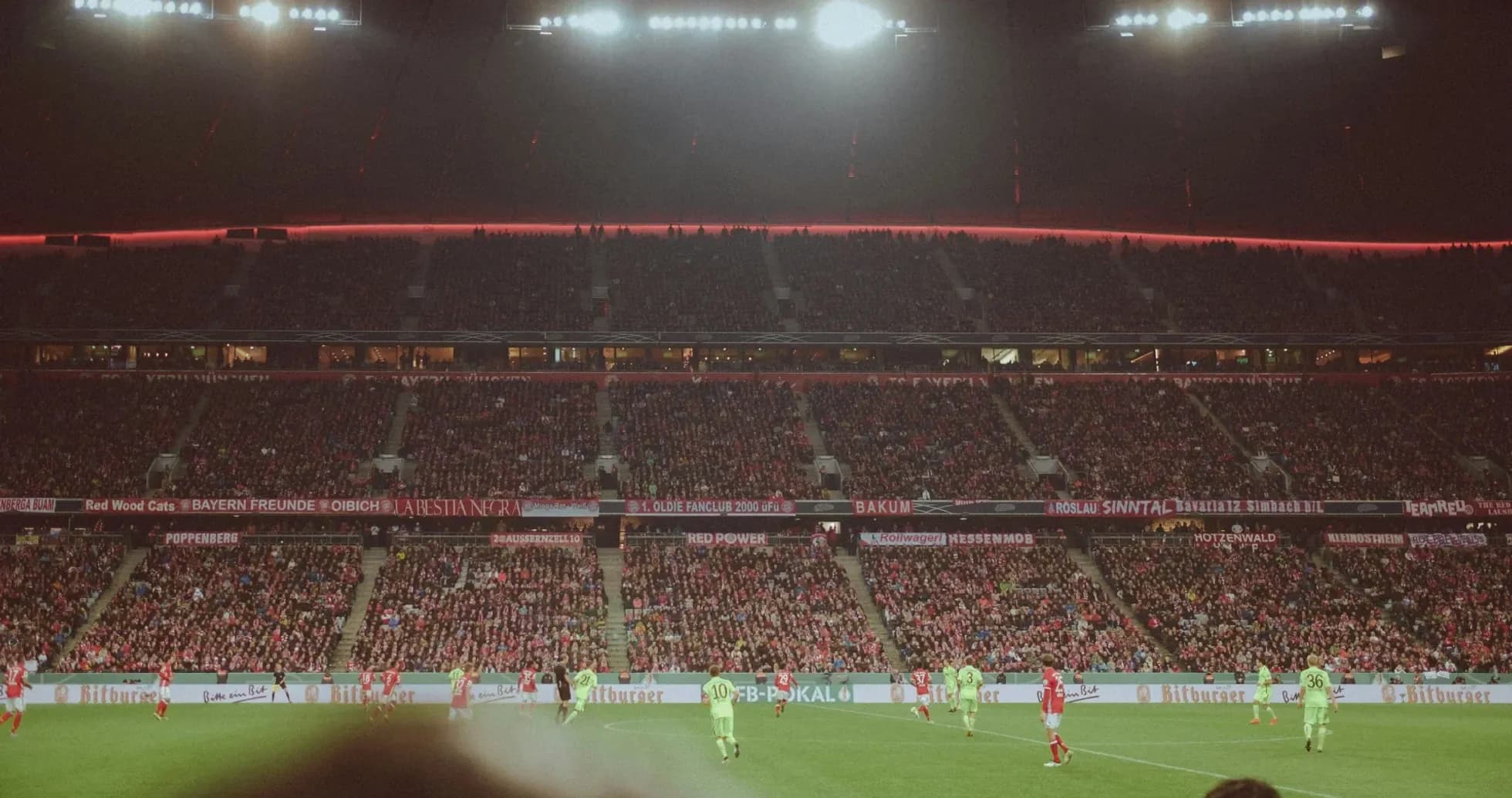
Under the Rome floodlights at Stadio Olimpico, this Serie A meeting between AS Roma and Atalanta arrives with the hosts already playing like a side intent on setting the league’s tone. Following this 2–1 home win in Regular Season - 3, Roma’s early-season profile is clear: top of the table on 9 points from 3 matches, 10 goals scored and just 1 conceded overall, a goal difference of +9 that underlines both their attacking fluency and defensive control. Atalanta, beaten here, remain a dangerous but still-evolving contender, sitting on 6 points with 4 goals scored and 3 conceded overall, a goal difference of +1.
I. The Big Picture – Structures and Seasonal DNA
Roma’s shape on the night, a 3-4-1-2, is an evolution of their early-season preference for a back three. Across the campaign they have mostly alternated between a 3-4-2-1 and this 3-4-1-2, and the continuity is paying off. At home this season, Roma have scored 6 goals and conceded just 1, averaging 3.0 goals for and 0.5 against per match at the Olimpico. Overall, their attack has been explosive: 10 goals in 3 games, an average of 3.3 per match, with a clear pattern of surges between 16–30 minutes (30.00% of their goals) and a strong late-game presence between 76–90 minutes (20.00%) and even into 91–105 (10.00%).
Atalanta arrive with a more orthodox 4-3-3, a Sarri blueprint that leans on structured pressing and wide overloads. Overall, they have scored 4 goals in 3 matches (1.3 per game), with an even spread across the halves: 25.00% of their goals between 0–15, and then a steady 25.00% in each of the 46–60, 61–75, and 76–90 windows. On their travels, though, the picture is more fragile: away they have played 1, lost 1, scoring 1 and conceding 2, for an away average of 1.0 goal scored and 2.0 conceded.
Defensively, the contrast is stark. Roma have conceded just 1 goal overall in 3 matches (0.3 per game), and that single strike has come between 46–60 minutes, where 100.00% of their goals against are concentrated. Atalanta, by comparison, have allowed 3 overall (1.0 per game), with a pronounced late-game weakness: 66.67% of their goals conceded arriving between 76–90 minutes. That intersection – Roma’s late surges against Atalanta’s late collapses – is the defining tactical tension of this matchup.
II. Tactical Voids – Absences and Discipline
Both sides come into this fixture with notable absences that subtly reshape their identities.
For Roma, the loss of L. Pellegrini to a thigh injury removes a natural on-ball conductor from midfield. Without him, the creative and leadership burden shifts more heavily onto P. Dybala between the lines and onto the wing-backs and central midfield pairing to progress the ball. M. Bah is also missing with a knee injury, trimming depth and flexibility.
Atalanta are without I. Hien (muscle injury) and K. Sulemana (knee injury), limiting Sarri’s options in terms of defensive rotation and midfield athleticism. With a back four built around O. Kossounou, G. Scalvini and S. Kolasinac, the absence of Hien in particular narrows the margin for error if Roma’s forwards start to drag the line wide and high.
Disciplinary trends add another layer. For Roma, D. Malen, M. Koné and M. Hermoso have each collected a yellow card this season, hinting at an aggressive edge in both the front line and the back three. Atalanta’s profile is more volatile: N. Krstović appears both among the leading yellow-card recipients and in the red-card list, while G. Gaetano already has a straight red to his name. Atalanta’s yellow cards tend to arrive late – 50.00% between 61–75 and 50.00% between 76–90 – and their single red this season has come in added time (91–105, 100.00% of their reds), reinforcing the story of a side that frays under late pressure.
III. Key Matchups – Hunter vs Shield, Engine Room Battles
The “Hunter vs Shield” duel is headlined by D. Malen against Atalanta’s back line. Malen is currently the league’s top-rated attacker, with 5 goals in 3 appearances, taking 12 shots with 7 on target and an 8.07 average rating. He thrives on attacking space, dribbling (12 attempts, 7 successful) and engaging in duels (20 contested, 11 won). His movement between the channels of Kossounou and Scalvini, or into the blind side of Kolasinac, is a constant threat to an Atalanta defense that concedes an average of 2.0 goals away from home.
Behind him, P. Dybala orchestrates. With 4 assists in 3 appearances, 13 key passes and 164 total passes at 82% accuracy, he is Roma’s creative metronome. Operating as the “1” in the 3-4-1-2, Dybala’s job is to exploit the pockets between Atalanta’s midfield trio and back four, especially around Gaetano and Ederson. If he can turn freely, Roma will repeatedly access Malen and D. Malen’s strike partners, as well as the underlapping runs of Wesley Franca and E. Lulli from the wide midfield roles.
On the Atalanta side, G. Scamacca leads the line, but the subtle danger comes from C. De Ketelaere drifting off the right and E. Elmas from the left, looking to isolate Roma’s wide centre-backs – G. Mancini and M. Hermoso – in the channels. Hermoso, though, has started the season in commanding form: 9 tackles, 13 interceptions, 1 blocked shot and 220 passes at 88% accuracy, plus a goal of his own. He is not just a shield; he is a launchpad.
In midfield, M. Koné and B. Cristante form Roma’s “engine room.” Koné has been quietly dominant: 175 passes at 90% accuracy, 6 tackles and 2 interceptions, while also appearing among the league’s more card-prone midfielders. His duel with Gaetano, who combines 150 passes at 89% accuracy with 6 tackles and 5 interceptions but also 5 fouls committed and that early red card, is a battle of control versus recklessness. Whichever of these two wins the central ground tilt will dictate how long each side can sustain their preferred pressing height.
Atalanta’s creative outlet from deeper zones is L. Samardzic, supported by Ederson’s vertical running. But with Roma conceding just once all season – and that only between 46–60 minutes – Atalanta’s forwards will need to be clinical in that specific window, before Roma’s late-game physical and mental edge begins to bite.
IV. Statistical Prognosis – Where the Game Tilts
Roma’s statistical profile is that of a team built to overwhelm: 3 wins from 3, no draws, no defeats, 2 clean sheets overall, and no match in which they have failed to score. Their goals are well distributed, but the 30.00% share between 16–30 minutes and the 20.00% between 76–90, plus 10.00% from 91–105, show a side that can both start to dominate early and then finish strongly.
Atalanta, by contrast, are balanced but brittle. They have not failed to score this season, and their goals are evenly split across the match, yet 66.67% of their goals conceded arrive between 76–90 minutes. In other words, they are in the game, often until the final quarter-hour – and then they crack.
Overlay those curves and the tactical forecast is clear. Roma’s late surges are primed to exploit Atalanta’s late-game defensive weakness. With Dybala feeding Malen and supported by a back three that steps high and recycles pressure, Roma are structurally and statistically set up to turn tight games their way in the final stretch.
Given Roma’s home scoring average of 3.0, their overall defensive record of 0.3 conceded per match, and Atalanta’s away concession rate of 2.0, the balance of probabilities leans heavily towards Roma continuing their perfect start. The underlying numbers suggest that even in a match where Atalanta find moments – particularly around the 46–60 minute window where Roma have shown their only defensive vulnerability – the late phases belong to the Giallorossi. In a league where margins are often thin, Roma’s capacity to dominate both the scoreboard and the timing of key moments marks them out, at this early stage, as the side to catch.