Argentina’s World Cup Collapse Casts a Shadow on Messi’s Final Chapter
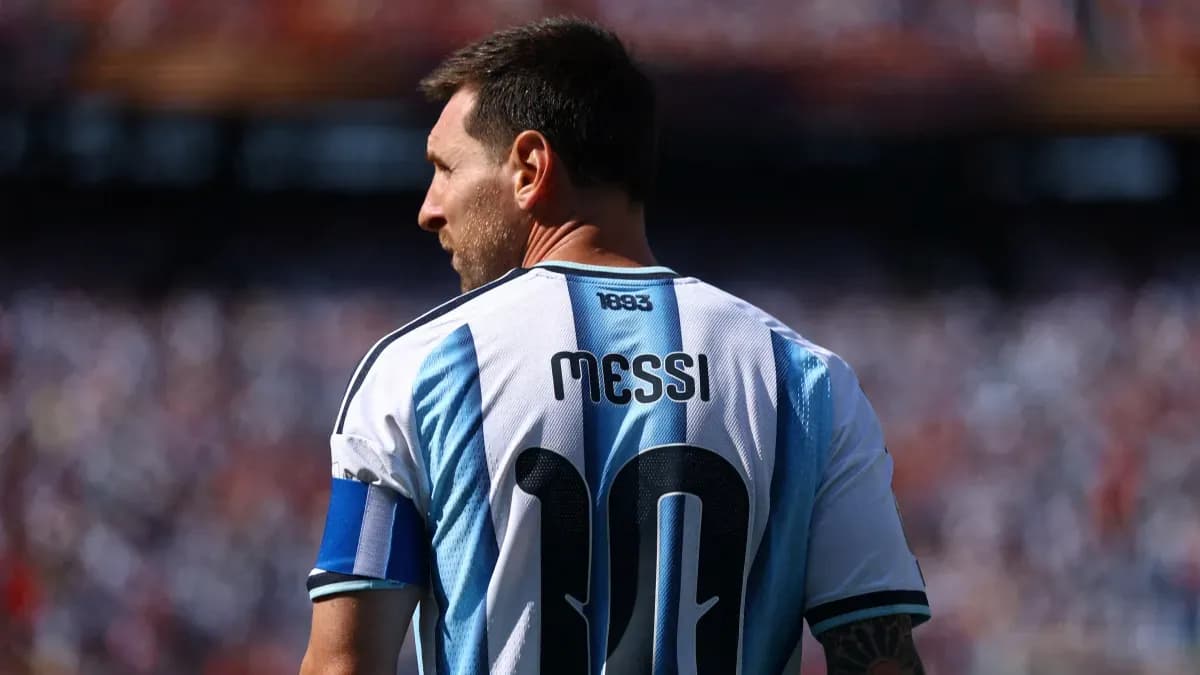
As Spain celebrated Ferran Torres’ goal, Lionel Messi quietly adjusted his socks. This wasn’t the fiery Messi many have come to know over twenty years, but a man drained by his third World Cup final. His efforts were minimal, drifting on the edges while Argentina struggled under the New Jersey sun.
Their last shot on goal came from Lautaro Martinez’s semifinal winner against England, leaving Messi mostly sidelined as Argentina fell 1-0 to Spain at MetLife Stadium. It was a performance that seemed to drain any goodwill, marking an unworthy end to one of football's greatest careers. Anyone with pride might have chosen distance from Argentina’s disgraceful display.
Argentina’s Football Identity: Beauty and Brutality
Argentine football enchants and frustrates in equal measure. Its rich history is steeped in myths and stories shaping its unique style. Messi represents the purest form of beautiful football, yet Argentinians argue their version is the truest expression of the game, rooted in passion and flair — from River Plate’s La Maquina in the 1940s to Diego Maradona’s dominance.
The legendary 1957 Copa America winners embodied this style, with a dazzling forward line nicknamed "la nuestra." Federico Vairo’s tribute to them as "sinverguenzas" and "caras sucias" hinted at a streetwise cunning, blending artistry with the dark arts of the game. Maradona’s infamous Hand of God goal alongside his Goal of the Century perfectly encapsulated this mix.
Some Argentine teams leaned heavily into toughness, like Estudiantes’ fierce Copa Libertadores wins in 1968 and 1969, setting up legendary clashes with Manchester United and AC Milan. The country’s first two World Cup titles highlighted the divide between attacking elegance and pragmatic grit. Menotti’s free-flowing 1978 champions contrasted with Bilardo’s disciplined 1986 squad led by Maradona, which also reached the ugly 1990 final marked by red cards and dour play.
A Harsh End to Messi’s Beautiful Era
This tension between art and aggression has propelled Argentine football. The early 2020s saw Messi near the end of his career, with coach Lionel Scaloni rebuilding after the 2018 disappointment. New talents like Enzo Fernandez, Julian Alvarez, and Angel Di Maria helped ease the burden from Messi’s shoulders. Their victory in the thrilling 2022 final against France was a peak moment.
After triumphs in the 2021 Copa America and 2024 edition, Messi shone brightly in the 2026 World Cup group stage with six goals, including a hat-trick against Algeria. His magical finish against Cape Verde and crucial goal in the comeback win over Egypt showed flashes of his old brilliance. Yet tougher European opposition exposed cracks.
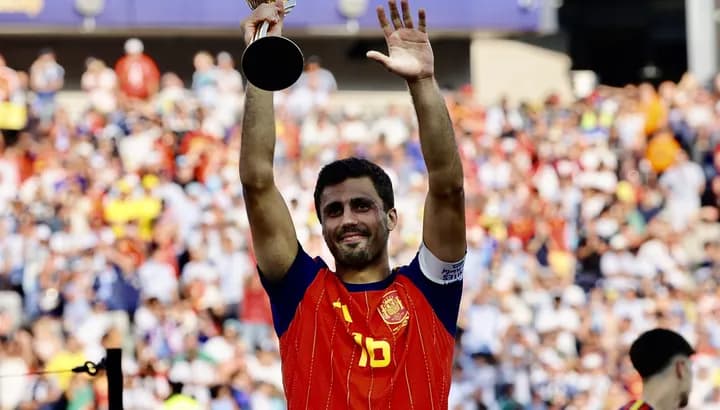
Against Switzerland and England, Argentina scraped through. Facing Spain, they abandoned creativity for defensive ugliness. Referee Slavko Vincic allowed Argentina to play rough, with Alexis Mac Allister escaping a deserved booking and Enzo Fernandez sent off for petulance. Leandro Paredes turned into a disruptor rather than a stabilizer. After the final whistle, chaos erupted when Nahuel Molina charged Rodri, overshadowing Spain’s midfield maestro who won player of the tournament, a prize Messi might have deserved.
Messi’s Last Efforts Amid Chaos
In the dying moments, Messi showed sparks of skill, crafting chances and firing shots that tested Spain’s defense. Even he resorted to petty gamesmanship, complaining about Marc Cucurella's mouth-covered talk. But such antics were all Argentina had left.
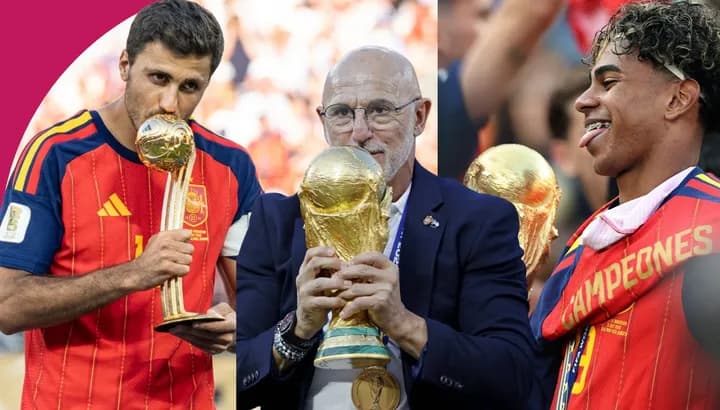
Spain’s celebration felt fitting for a forgettable final. No one would want to recall Messi's involvement in a team resorting to desperate tactics to steal victory. This doesn’t tarnish Messi’s legacy, but it’s unfortunate his story ended amid such disarray with the same team that once lifted him to the sport’s summit.