Argentina Triumphs Over England in World Cup Semi-Final
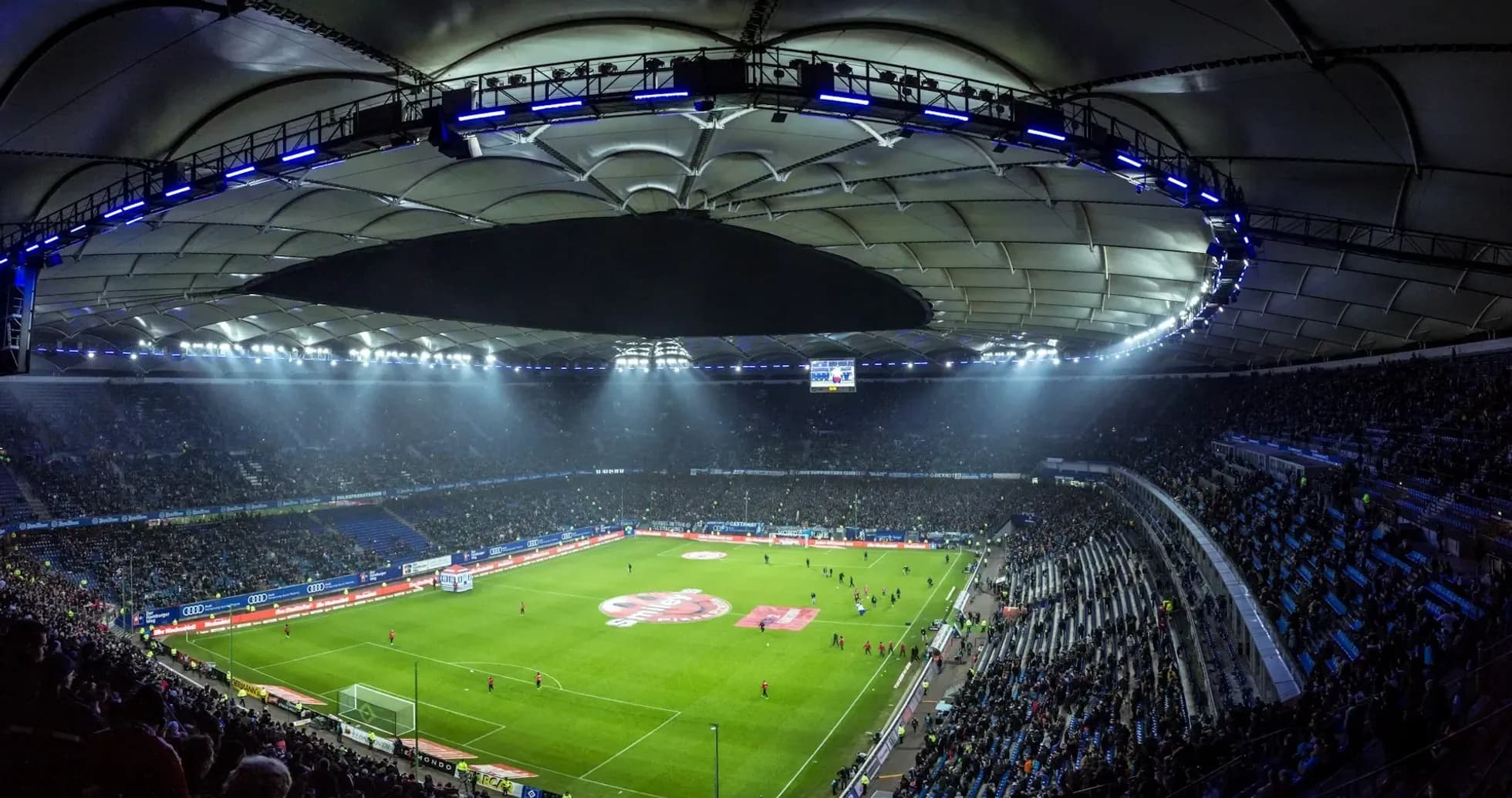
Under the closed roof of Mercedes-Benz Stadium, this World Cup semi-final between England and Argentina felt less like a neutral-site contest and more like a collision of footballing ideologies refined over a month-long campaign. The scoreboard at full time – England 1, Argentina 2 – only hinted at the deeper tactical story that had been building from the group phase to this night.
Both sides arrived with the authority of group winners. England had topped Group L with 7 points and a goal difference of 4, built on 6 goals for and 2 against in 3 matches. Argentina were even more emphatic in Group J: 9 points, 8 goals scored and just 1 conceded, for a goal difference of 7. From there, the knockout rounds had hardened their identities. Heading into this game, England’s overall tournament record showed 7 fixtures played, 5 wins, 1 draw and 1 loss. Argentina were perfect: 7 played, 7 wins, no draws, no defeats.
Those trajectories shaped the tactical blueprint. Thomas Tuchel doubled down on England’s now-familiar 4-2-3-1, a shape he had used in 6 of their 7 line-ups. J. Pickford anchored a back four of R. James, J. Stones, M. Guehi and D. Spence, with D. Rice and E. Anderson as the double pivot. Ahead of them, M. Rogers and A. Gordon flanked J. Bellingham, with H. Kane as the lone centre-forward.
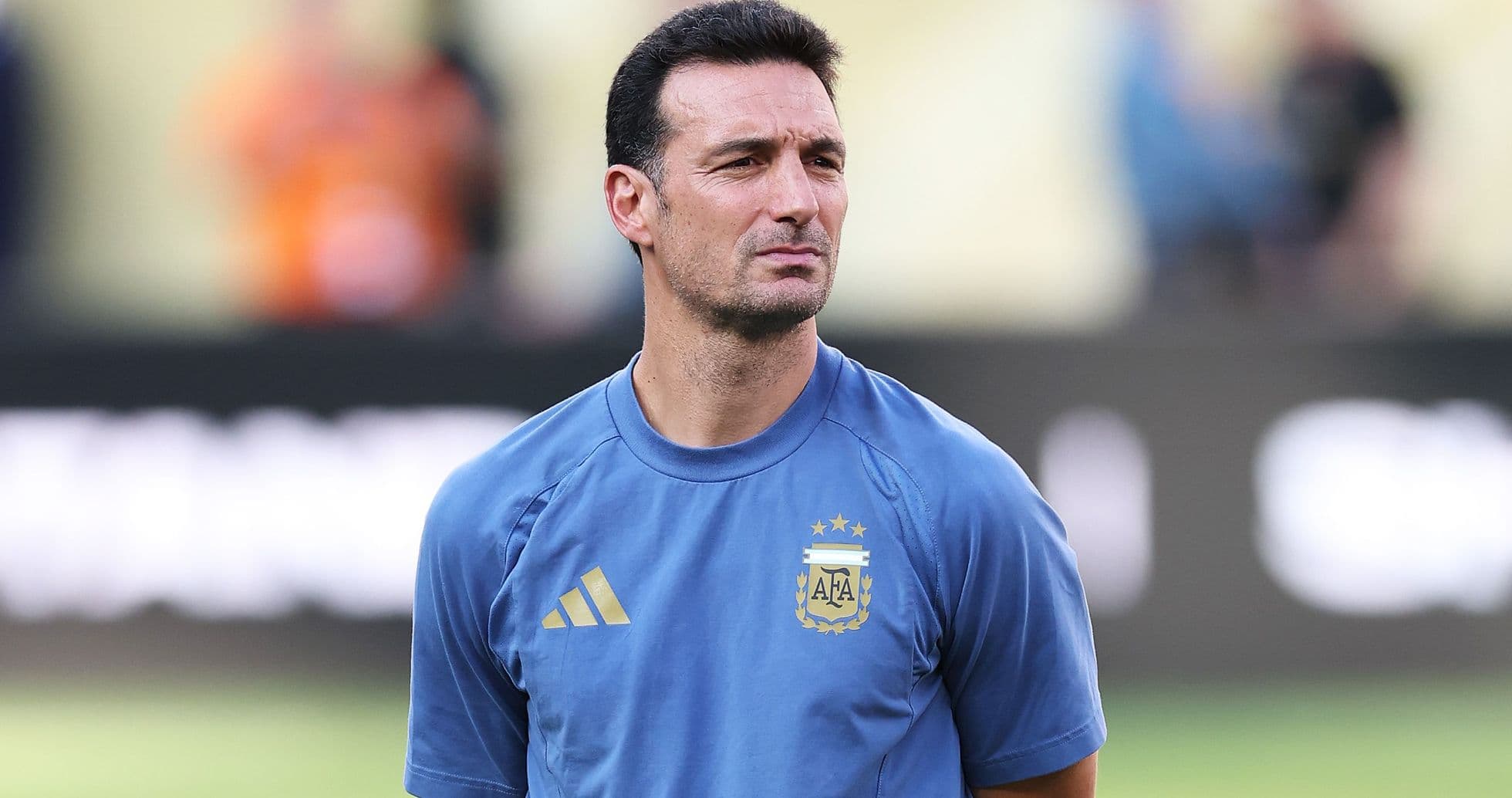
Across from them, Lionel Scaloni leaned into a 4-1-4-1 that distilled Argentina’s evolution across the tournament. E. Martinez stood behind a back line of N. Molina, C. Romero, L. Martinez and N. Tagliafico. L. Paredes sat as the single pivot, with a band of four – G. Simeone, E. Fernandez, A. Mac Allister and J. Alvarez – supporting the ever-present L. Messi as the central forward.
The absences told their own story. England were without J. Quansah, suspended through a sports court decision. His red card earlier in the competition had already marked him as a volatile figure – 1 yellow and 1 red in just 117 minutes – and his enforced omission nudged Tuchel toward a more conservative central pairing of Stones and Guehi. In a semi-final of this magnitude, that stability was non-negotiable.
Discipline was a quiet but important subtext. Across the tournament, England’s yellow cards had been spread relatively evenly, with notable spikes at 31–45 minutes and 61–75 minutes, each accounting for 25.00% of their cautions. That pattern hinted at a side that tightened the screw as each half wore on, sometimes tipping into rashness. Red cards had been rare but decisive: England’s single dismissal had come in the 46–60 minute window, a reminder of how quickly a restart can turn chaotic.
Argentina, by contrast, had navigated the competition without a red card. Their yellow cards tended to arrive in the margins of regulation and extra time: 44.44% between 91–105 minutes and 22.22% between 106–120 minutes. This was a team that pushed the line late, when game states were most fragile, but generally kept their nerve in normal time. In a semi-final decided over 90 minutes, that composure mattered.
Within that framework, the “Hunter vs Shield” duel at centre stage was almost inevitable. L. Messi entered the night as the competition’s leading scorer: 8 goals and 4 assists in 7 appearances, with a rating of 9.07. He had taken 28 shots, 18 on target, and completed 24 of 35 dribbles. Yet his relationship with penalties had been fraught – 0 scored and 2 missed in this World Cup, an unusual blemish for a player of his stature and a psychological wrinkle for any defence facing him in the box.
England’s shield against that storm was collective rather than individual. Overall this campaign, they had conceded 8 goals in 7 matches, with an average of 1.3 goals against at home and 1.0 on their travels, for an overall average of 1.1. Their attacking return – 14 goals in total, split evenly between home and away – gave them an overall scoring average of 2.0, underlining that they were built to outscore as much as to contain.
Yet the true counterweight to Messi’s genius was J. Bellingham and H. Kane operating in tandem. Bellingham arrived with 6 goals and 1 assist, his 223 completed passes and 8 key passes underscoring his dual role as finisher and facilitator. Kane mirrored that output with 6 goals and 1 assist of his own, adding penalty certainty – 2 scored from 2 taken – and a willingness to defend from the front, evidenced by 3 tackles and 3 blocked shots. Between them, they offered England a central spine that could both hurt Argentina and absorb pressure.
On the flanks, the “Engine Room” battle was layered. For England, A. Gordon had quietly become a creative fulcrum: 1 goal, 3 assists, 6 key passes and 25 attempted dribbles across the tournament. His capacity to carry the ball and draw fouls (10 won) was designed to stretch Argentina’s defensive block laterally, particularly against N. Molina and C. Romero on that side. The option of B. Saka from the bench – 3 assists in 267 minutes, 5 key passes, 6 successful dribbles – gave Tuchel a second-wave runner capable of attacking tired legs in the final third of the match.
Argentina’s response came through their interior midfield. A. Mac Allister and E. Fernandez, supported by Paredes, were tasked with suffocating the spaces Bellingham loves to occupy between the lines. Behind them, Romero and L. Martinez formed a centre-back partnership that had conceded just 7 goals overall this campaign, with Argentina allowing an average of 1.0 goal at home, 1.0 on their travels, and 1.0 overall. That symmetry spoke of a side comfortable defending in any context, trusting their structure as much as their individual duels.
Statistically, Argentina’s offensive edge was clear. Overall, they had scored 19 goals in 7 matches, averaging 2.8 at home, 2.5 on their travels, and 2.7 overall. They had yet to fail to score in any match. England, by contrast, had failed to score once overall, and while their total of 14 goals was impressive, it sat a tier below Argentina’s relentless output.
The penalty narrative added one final layer to the prognosis. England’s record from the spot this campaign was perfect: 2 penalties taken, 2 scored, 100.00% conversion, with no misses. Argentina’s was the opposite: 3 penalties taken, just 1 scored, with 2 missed for a 33.33% success rate. In a semi-final where fine margins decide destinies, that disparity suggested that, if the match veered toward a shootout or a single critical spot-kick, England might hold the mental edge.
And yet, over 90 minutes in Atlanta, it was Argentina’s broader attacking ecosystem and defensive calm that prevailed. Following this result, the numbers will be updated, but the underlying pattern remains: a side that marries Messi’s individual brilliance with a collective structure robust enough to withstand England’s central firepower. For Tuchel’s team, the semi-final became a lesson in how even a well-balanced, statistically strong campaign can be undone by a rival whose ceiling, on nights like this, is simply higher.