Anderlecht vs Hammarby FF: UEFA Europa League 2nd Qualifying Round Preview
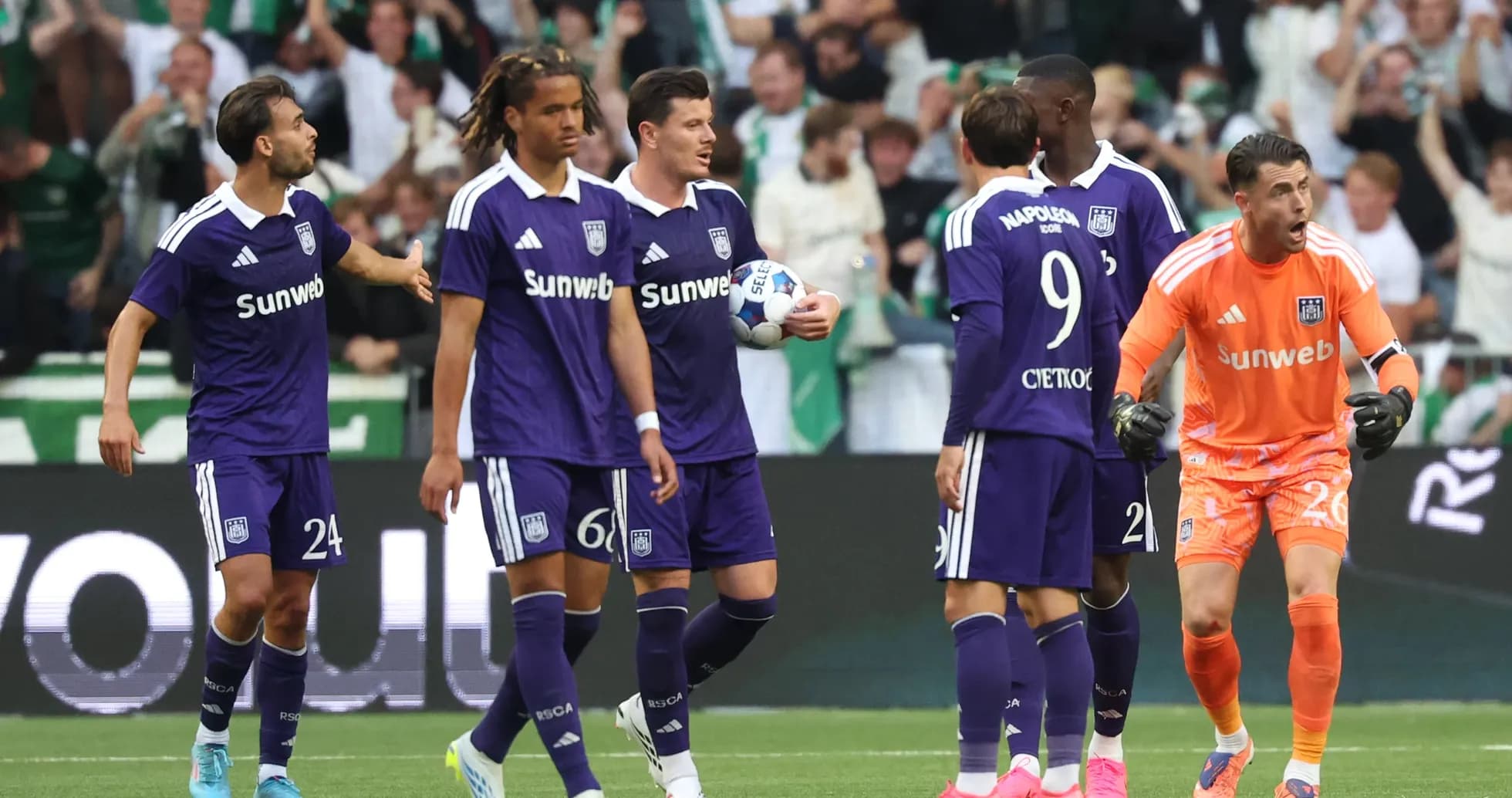
Anderlecht host Hammarby FF at Lotto Park in the second leg of the UEFA Europa League 2nd Qualifying Round, with the tie finely balanced after a draw in Sweden. With no league standings data available, this game effectively becomes a straight knockout step: progression keeps the European campaign alive deep into August, while elimination would end continental involvement for 2026 before the main phase even begins.
Head-to-Head Tactical Summary
The only recorded meeting between these sides came on 23 July 2026 in Stockholm at 3Arena in the first leg of this 2nd Qualifying Round. Hammarby FF, at home, drew 1-1 with Anderlecht. Anderlecht led 1-0 at half-time before Hammarby equalised in the second half. The match data points to a contest where Anderlecht showed early control and structure, while Hammarby adjusted after the interval to recover the result, setting up a finely poised second leg tactically and psychologically.
Global Season Picture
- League Phase Performance: There is no group or league table data available for either Anderlecht or Hammarby FF in this Europa League campaign yet, so goals for, goals against, and points in a league phase cannot be quantified from the current context.
- Season Metrics: In the Europa League so far, Anderlecht have played 1 match, drawing it, scoring 1 goal and conceding 1. Hammarby FF have an identical record: 1 match, 1 draw, 1 goal scored and 1 conceded. Anderlecht have used a 4-4-2 structure in their single outing, while Hammarby have gone with a 4-3-3. Disciplinary patterns already diverge: Anderlecht’s only match featured 3 yellow cards and 1 red, concentrated between minutes 16–30 and 76–90, indicating an aggressive or reactive edge under pressure. Hammarby’s card profile is milder, with 2 yellow cards spread across the end of the first half and early in the second, suggesting a more controlled approach in duels.
- Form Trajectory: Both teams carry a single-match Europa League form line of one draw. With no broader form string available, the trajectory is flat: neither side has established momentum in this competition, and this second leg effectively becomes the form-defining event of their European summer.
Tactical Efficiency
With both teams level on basic outputs (1 goal scored and 1 conceded each in one match), the tactical distinction lies in structure and discipline. Anderlecht’s 4-4-2 in the away leg points to a balanced but potentially more direct approach, which at home could translate into higher pressing and more numbers in the box. However, the red card and clustered yellow cards suggest that their defensive efficiency under stress is vulnerable, especially late in games.
Hammarby’s 4-3-3 offers width and the potential to exploit transitions, particularly if Anderlecht push aggressively at Lotto Park. Their ability to adjust after falling behind in Stockholm indicates tactical resilience and in-game problem-solving. With no comparative indices provided, the working assumption from the raw numbers is that attacking efficiency is currently symmetrical, but Anderlecht’s disciplinary record marginally undermines their defensive reliability, while Hammarby’s more controlled card profile supports a slightly more stable defensive platform in high-pressure phases.
The Verdict: Seasonal Impact
This second leg is season-defining in European terms for both clubs. For Anderlecht, failing to progress at home after taking an initial lead in Sweden would raise serious questions about game management, discipline, and the effectiveness of their 4-4-2 structure under pressure, potentially forcing tactical recalibration before domestic campaigns intensify. Advancing, by contrast, would validate their ability to control ties over two legs and maintain European visibility, which is important for squad morale and club coefficient.
For Hammarby FF, eliminating Anderlecht away would be a major statement and could reshape their seasonal ceiling, turning a cautious, balanced start into a platform for a deeper European run. Going out at this stage would not be catastrophic domestically, but it would cap their international exposure for 2026 and reduce the competitive stretch of their summer. In practical terms, the result will not decide a title race or relegation battle, but it will strongly influence how both clubs structure their squad rotation, tactical risk, and psychological framing for the rest of the year: progression keeps them in a multi-front campaign, while elimination refocuses everything onto domestic objectives.