How the 2026 World Cup Captivated America and Surprised the World
The 2026 World Cup managed to grip the United States and much of North America, turning those who barely cared into avid fans, casual watchers into passionate followers, and reinforcing the devotion of longtime supporters. The event unfolded like a grand festival, unfolding beyond just the teams and matches.
Inside the World Cup Experience
Covering one team closely often means missing the wider tournament buzz. Between tracking player injuries, managing notes, and trying to catch quick rests, the full scope can feel distant. You see fans in the stands, spot merchandise everywhere, and notice TV ads with Timothée Chalamet, but the real heartbeat is sometimes just out of reach.
It wasn’t until after the U.S. team's disappointing exit that the tournament’s true hold became clear. At a Dallas airport before a flight home, passengers eagerly asked if the plane had live TV for the Argentina-England game. When it did, cheers erupted as England scored first, followed by gasps and celebration when Argentina came back. Even a flight attendant paused his safety briefing to acknowledge the excitement about the “football” match. That scene wasn’t unique; throughout airports and city streets, people gathered to catch highlights and discuss key moments.
The Skepticism and the Reality
The world doubted America’s ability to host a vibrant soccer World Cup. Predictions of empty seats, weak fan passion, and unsuitable stadiums were proven wrong. Despite FIFA’s flaws—ticket prices, political issues, and imperfect VAR decisions—the tournament was a massive hit. Attendance was strong across 104 matches held under varied conditions.
Mexico’s deep-rooted soccer culture and Canada’s historical ties to the sport helped, but the U.S. took a leap forward. Soccer is now widely accessible, no longer limited to late-night broadcasts or obscure channels. Premier League, Liga MX, and MLS matches have nurtured a growing fan base throughout the year, making this World Cup resonate even more deeply.
Memorable Stories and Star Performances
Cape Verde made a fairy-tale run, reaching the knockout round and giving Lionel Messi and Argentina a scare. Spain stumbled only once, against the Blue Sharks. Fans from Norway, the Netherlands, Scotland, Argentina, Algeria, and Spain filled cities with color and song, bonding over shared excitement—even discovering unexpected favorites like ranch dressing.
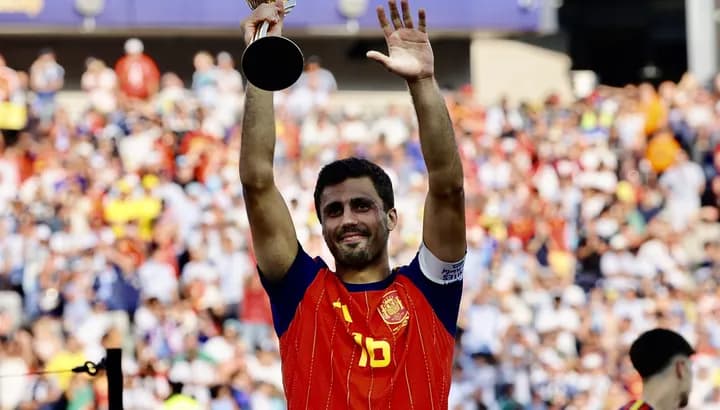
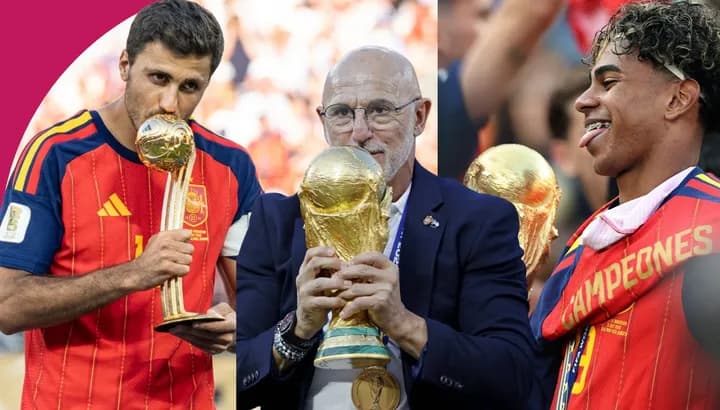
Rodri, the Spanish midfielder who earned the Golden Ball, has a unique connection to America. He last celebrated Spain’s World Cup win in 2010 while at a Connecticut sleepaway camp, not far from MetLife Stadium where the final took place.
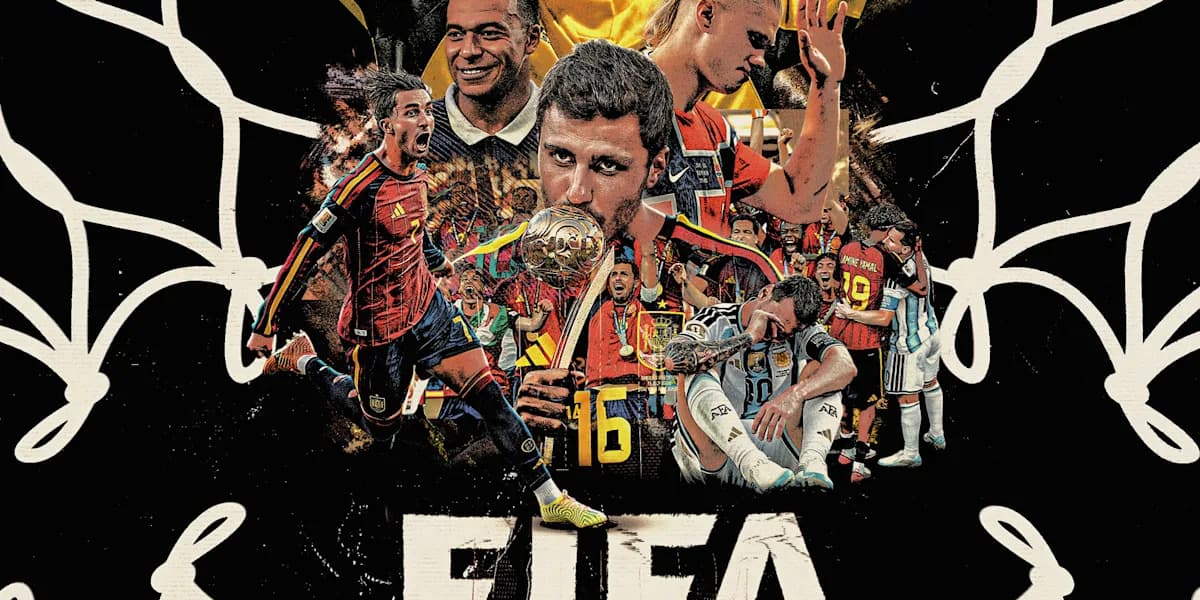
Messi proved age is just a number, shining at 39 in his sixth World Cup, finishing second in the Golden Boot race. His near invisibility in the final highlighted Spain’s suffocating defense. New heroes emerged for American viewers too: Norway’s Erling Haaland, Cape Verde’s veteran goalkeeper Vozinha, and U.S. forward Folarin Balogun, who handled both goals and a controversial red card with dignity amid chaos.
Hosts’ Mixed Fortunes and Surprises
The U.S. inspired hope by winning their first two group matches with style, though their Round of 16 loss to Belgium stung less due to how they fought. Canada won World Cup matches for the first time ever, Mexico thrilled at Estadio Azteca before falling to England in a thrilling contest. The 6-4 third-place match between England and France provided plenty of entertainment.
Some giants stumbled early. Brazil and Germany, with nine titles combined, exited sooner than expected. Uruguay and South Korea had forgettable runs, and Christian Pulisic, a key American player, left the tournament injured.
Morocco confirmed their 2022 semifinal was no fluke, knocking out the Netherlands and Canada before losing to France in the quarterfinals. African nations had a strong showing overall.
Stars and Style on Display
Mbappé became the World Cup’s top scorer ever, with more tournaments ahead. Messi remained majestic. Haaland and Harry Kane were lethal scorers, while Jude Bellingham and Michael Olise impressed as elite playmakers.
Spain’s strength lay in teamwork rather than star power. Their control through possession and pressure crowned them champions, earning respect worldwide for both men’s and women’s squads.
The final lacked flair and could have been settled earlier, yet it was a victory for La Roja. After 39 intense days across a captivated continent, this World Cup was a win for the sport itself.