Aarhus vs Benfica: UEFA Europa League Play-Off Showdown
Aarhus host Benfica at New Vejlby Stadium in the second leg of a UEFA Europa League play-off tie, needing a turnaround after losing the first meeting. With no group-stage standings yet available, the seasonal weight here is clear: Aarhus must overturn a 3-1 aggregate deficit to keep their European campaign alive, while Benfica are one solid away performance from securing progression and consolidating their early-season European momentum.
Head-to-Head Tactical Summary
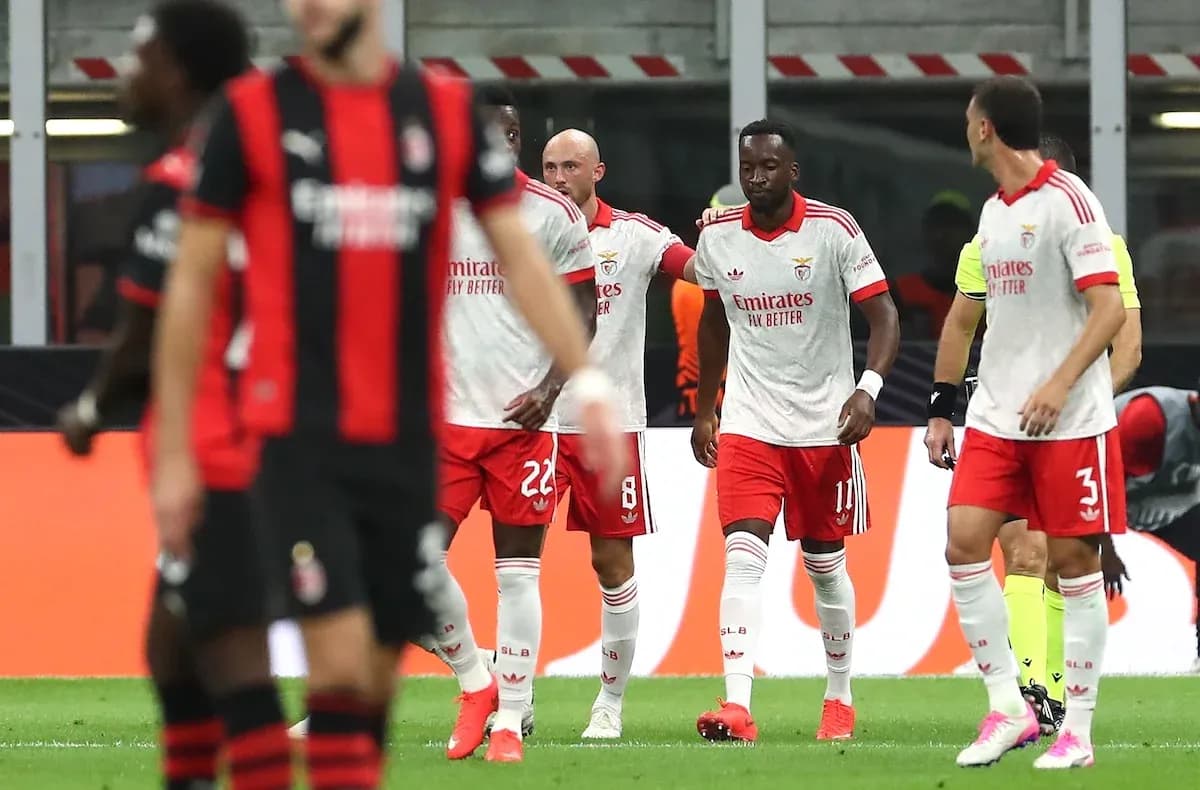
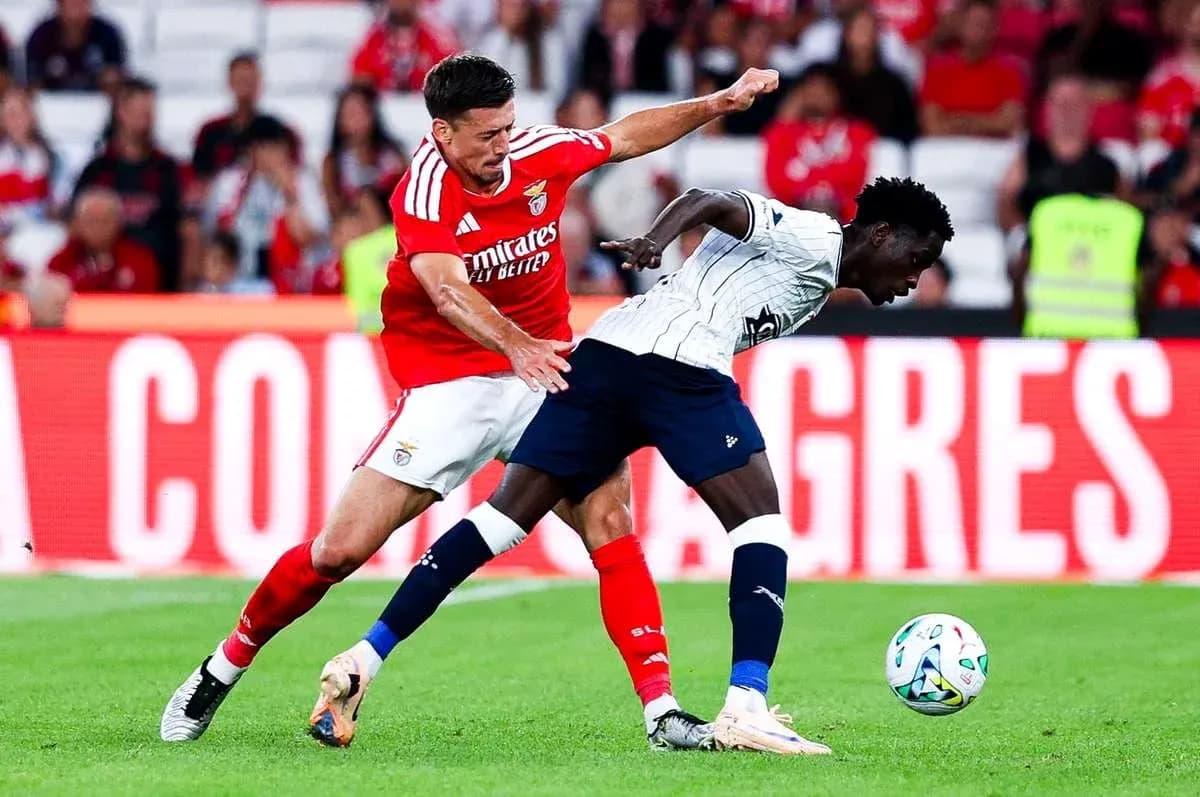
The only recorded meeting between these sides came on 20 August 2026 at Estádio da Luz in the first leg of this play-off. Benfica, playing at home, beat Aarhus 3-1, leading 3-1 at half-time and then managing the game through the second half. That match underlined Benfica’s ability to strike early and in volume, while Aarhus showed they can at least create and convert chances even under heavy pressure.
Global Season Picture
- League Phase Performance: There is no group-stage or league-table data yet for either side in this Europa League campaign, so goals for, goals against and points in the league phase cannot be quantified at this stage.
- Season Metrics: In the Europa League so far, Aarhus have played 1 match, scoring 1 goal and conceding 3, with no clean sheets and no matches without scoring. Their only recorded setup is a 3-5-2, and their disciplinary profile shows a single yellow card late in the game window (76–90 minutes). Benfica have a broader sample: 5 matches played, with 16 goals scored and 5 conceded. They are extremely productive at home (14 goals in 3 home games) and more controlled away (2 goals in 2 away games), with one clean sheet overall and no failures to score. Their formations have mainly been 4-2-3-1 (3 times) and 4-1-3-2 (once), suggesting a flexible but consistently attack-minded structure. Benfica’s card distribution is steady across the match, with yellow cards spread fairly evenly across most 15-minute segments, indicating an aggressive but managed intensity.
- Form Trajectory: Aarhus’ form string in this competition is a single “L”, reflecting just one match played and one defeat so far – there is no trend yet, only the immediate need to respond. Benfica’s form line “LWWDW” over five matches shows a generally positive trajectory: after an early loss, they responded with two straight wins, then a draw and another win. That pattern points to resilience and the ability to sustain results over a short European run, even if they are not flawless.
Tactical Efficiency
Across their early Europa League minutes, Aarhus’ numbers depict a side still adjusting to this level: conceding three times in their only outing and failing to keep a clean sheet. The single recorded formation, 3-5-2, hints at a desire to balance central solidity with wing width, but the 3-1 defeat suggests that defensive spacing and protection in transition were issues against Benfica’s high-tempo attack.
Benfica, by contrast, are already operating at a high attacking efficiency. Sixteen goals in five matches, with a standout 6-1 home win and a general pattern of multi-goal performances, underline a side that consistently creates and converts chances. Defensively, conceding five in five is acceptable for a team that commits numbers forward; they have shown they can keep at least the occasional clean sheet without sacrificing offensive output. Their use of 4-2-3-1 and 4-1-3-2 indicates a clear emphasis on having multiple advanced outlets and a strong central platform, which has translated into steady scoring both home and away. In this context, Aarhus must significantly raise both their defensive compactness and their efficiency in front of goal to disrupt Benfica’s established attacking rhythm over 90 minutes.
The Verdict: Seasonal Impact
This second leg is season-defining for Aarhus. Elimination at this play-off stage would end their European journey before the main phase has even begun, shifting their seasonal focus back to domestic objectives and marking this tie as a benchmark of the gap to top-tier continental opposition. Progression, on the other hand, would represent a major statement: overturning a 3-1 first-leg deficit against a high-scoring Benfica side would immediately elevate the club’s European profile and provide both financial and sporting momentum for the rest of 2026.
For Benfica, protecting or extending their aggregate lead would confirm their status as a strong Europa League contender and secure access to the group stage, where their attacking depth could translate into a push for top spots and a deep run later in the tournament. Failure to advance from this position would be a significant setback, raising questions about game management away from home and potentially altering expectations from aiming at the latter knockout rounds to recalibrating around domestic priorities. In strategic terms, this fixture is less about a title race or top-four battle and more about gateway status: the winner positions itself for a full European season and the platform to influence its broader 2026 campaign, while the loser faces an abrupt reset and a narrower competitive horizon.