2026 World Cup: Triumphs, Troubles, and Turmoil Behind the Scenes
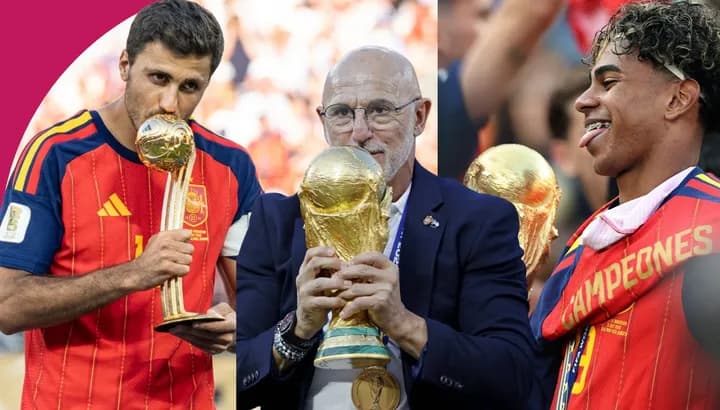
The 2026 World Cup showcased brilliant football moments alongside significant administrative challenges. Spain's historic win and dazzling performances from top players contrasted sharply with political interference and commercial controversies that raised questions about FIFA's transparency.
Fans enjoyed a summer packed with unforgettable goals, celebrations like Norway's naval salute, and thrilling matches that stretched from morning until midnight. Star players were present in full force, unlike some previous tournaments where notable absences disappointed many.
Highlights and Historic Achievements
Kylian Mbappé claimed the Golden Boot, outpacing Lionel Messi and Jude Bellingham. The semi-finals featured the four best national teams globally. Norway’s Erling Haaland became synonymous with his iconic celebration, spreading it widely across the tournament.
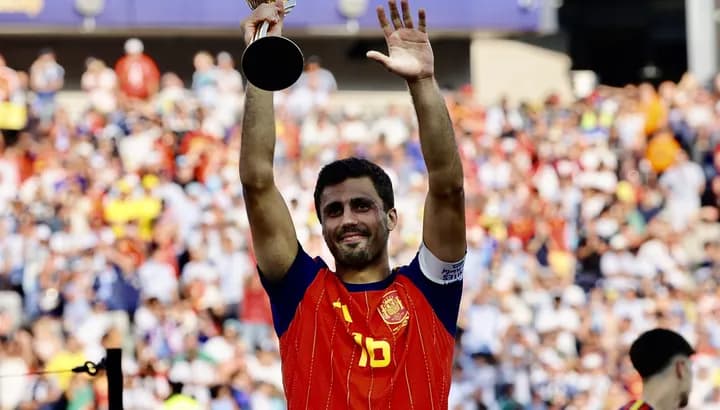
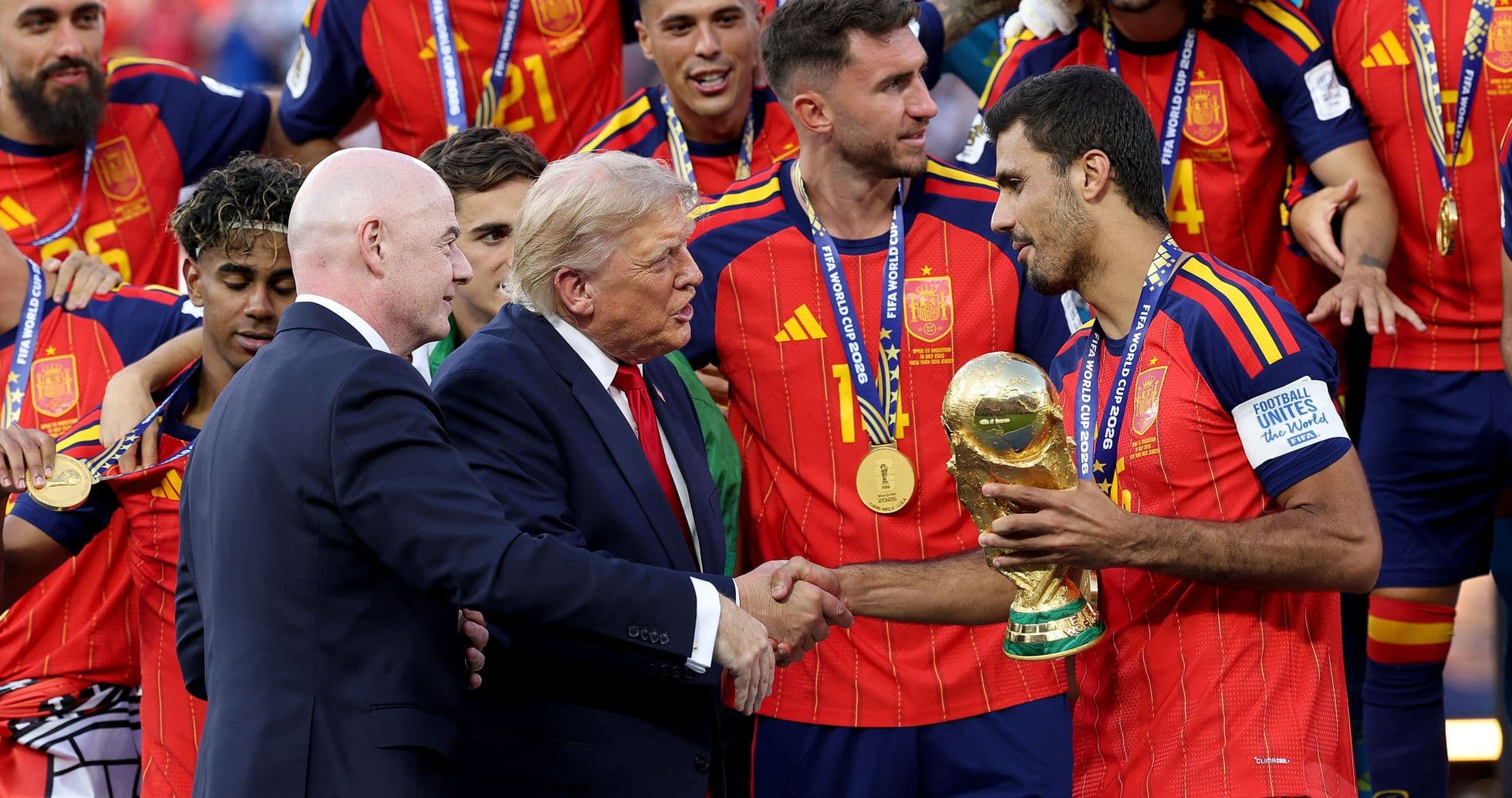
Spain made history by holding both the men's and women's World Cup titles simultaneously. Meanwhile, Canada won its first-ever knockout match, and Mexico pushed England to the edge in what many called the tournament’s best game.
The United States impressed by dominating their group, scoring 11 goals—the highest tally in their history—and winning three matches for the first time at a World Cup. The post-match celebrations in Seattle captured the nation’s newfound passion, as fans united in song and spirit.
Politics and Money Cast Shadows
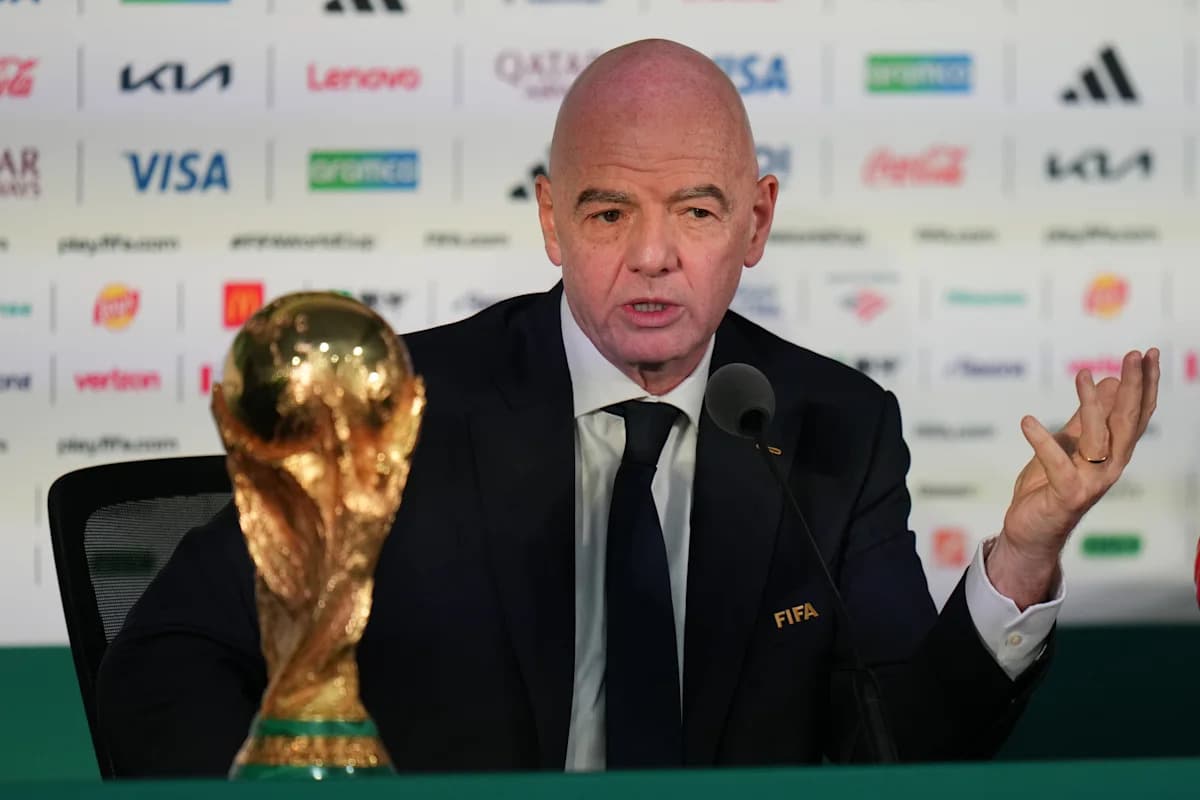
The event was clouded by FIFA's overreach and commercial priorities. Mandatory stoppages introduced advertisements during live play, disrupting the flow of a sport known for its continuous action. Political interventions surfaced too, with former President Donald Trump and the U.S. government influencing decisions such as lifting Folarin Balogun’s suspension to allow him to play.
Such moves shook fans’ trust in the game and highlighted FIFA’s ongoing struggles with maintaining integrity. The long-term consequences of these precedents remain unclear but are likely to cause discomfort in future tournaments.
A Mix of Emotions and Unseen Battles
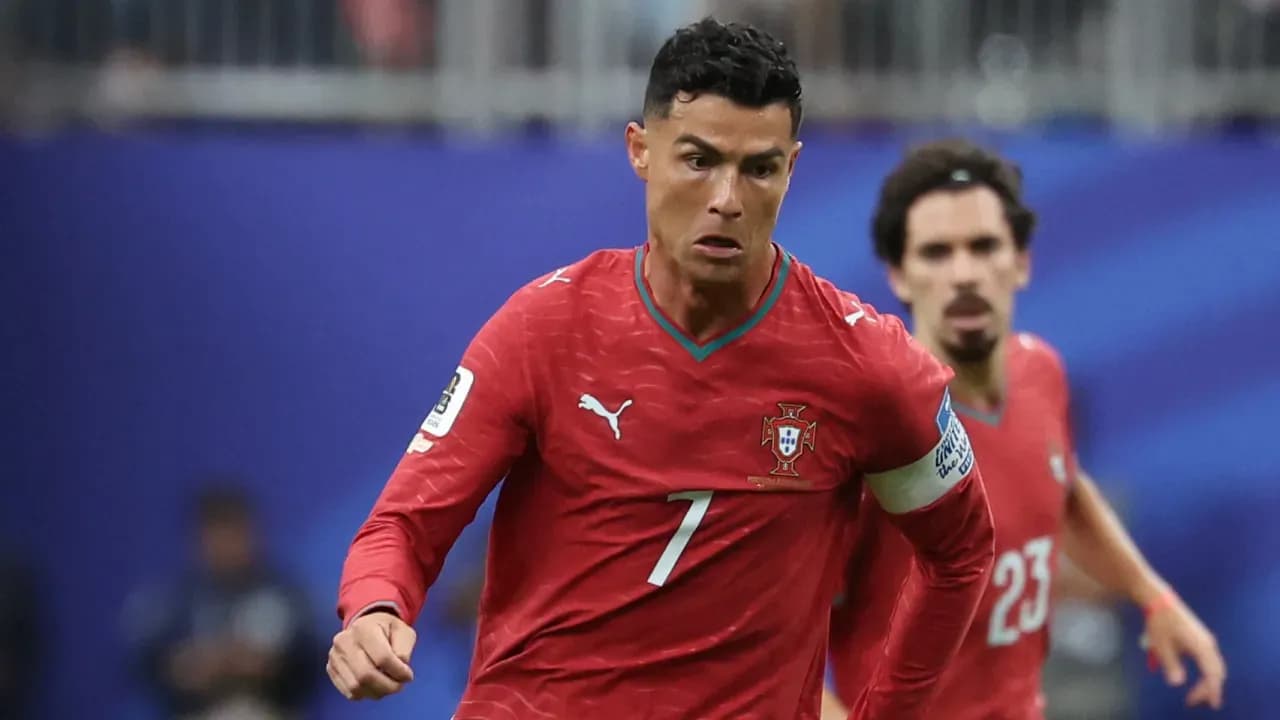
The tournament brought touching moments: Scottish fans bonding with Boston, Kansas embracing Algeria’s team, Messi clinching late victories, Cristiano Ronaldo’s farewell goal, and Cape Verde’s surprising rise as a fan favorite.
Yet the negatives piled up. Fans faced inflated ticket prices due to dynamic pricing, with FIFA taking commissions on secondary sales. The complex scenario involving Iran, amid conflict with a host nation, left questions over travel logistics unanswered. The third round’s advancement of eight third-placed teams sparked debate about fairness and results manipulation.
The Influence of Money and Future Prospects
Money remained the dominant force, fueling both progress and problems. Revenues will help FIFA develop football in new regions while maintaining an unceasing commercial engine driven by ads, halftime shows, and plans to expand to 64 teams.
Regardless of opinions on the tournament’s mix of grandeur and scandal, the final takeaway is clear: FIFA and the United States are poised to co-host another World Cup, possibly in 2038. Fans worldwide may find themselves feeling just as divided—awed yet frustrated—when that day comes.