Vancouver FC vs York United: Thrilling 3–3 Draw Highlights Team Identities
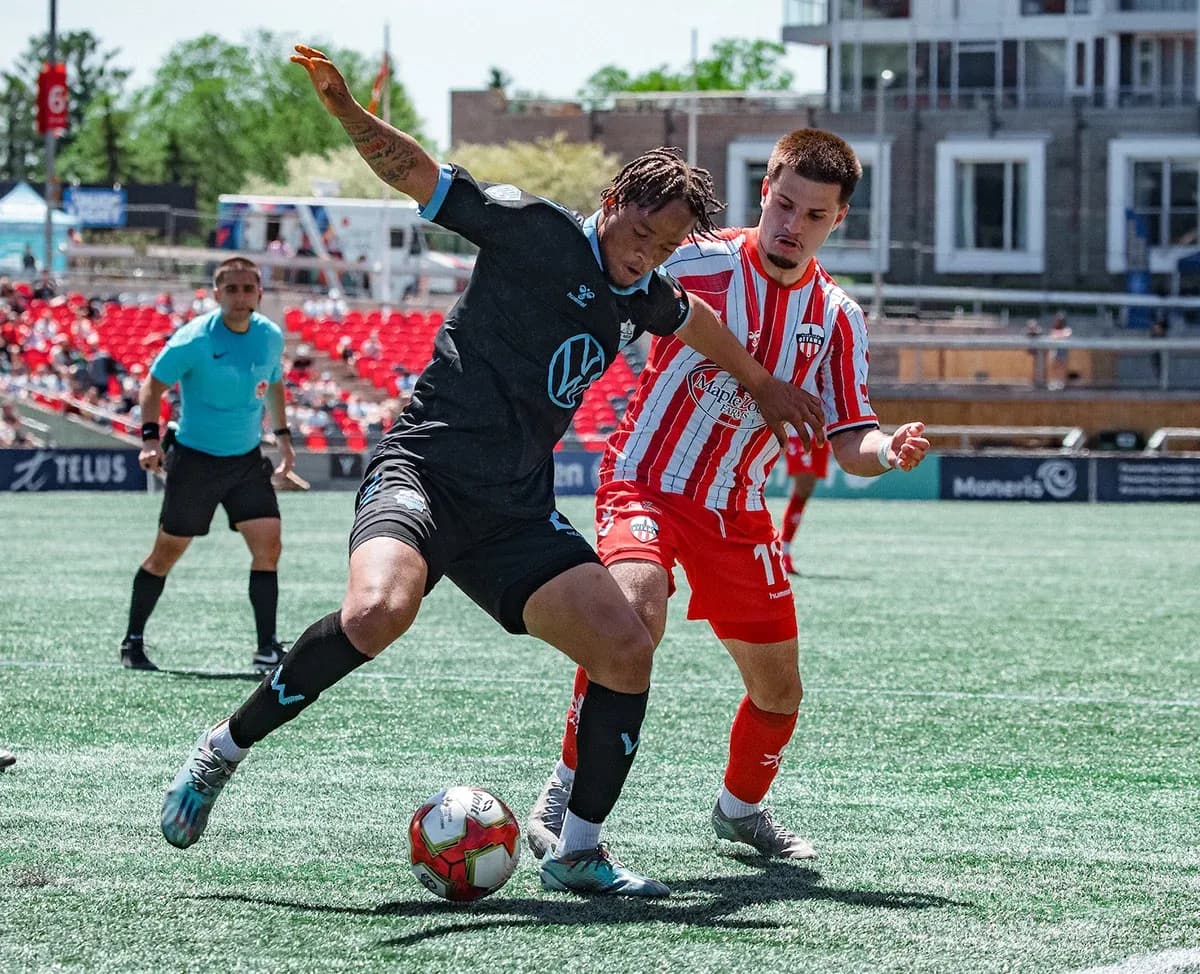
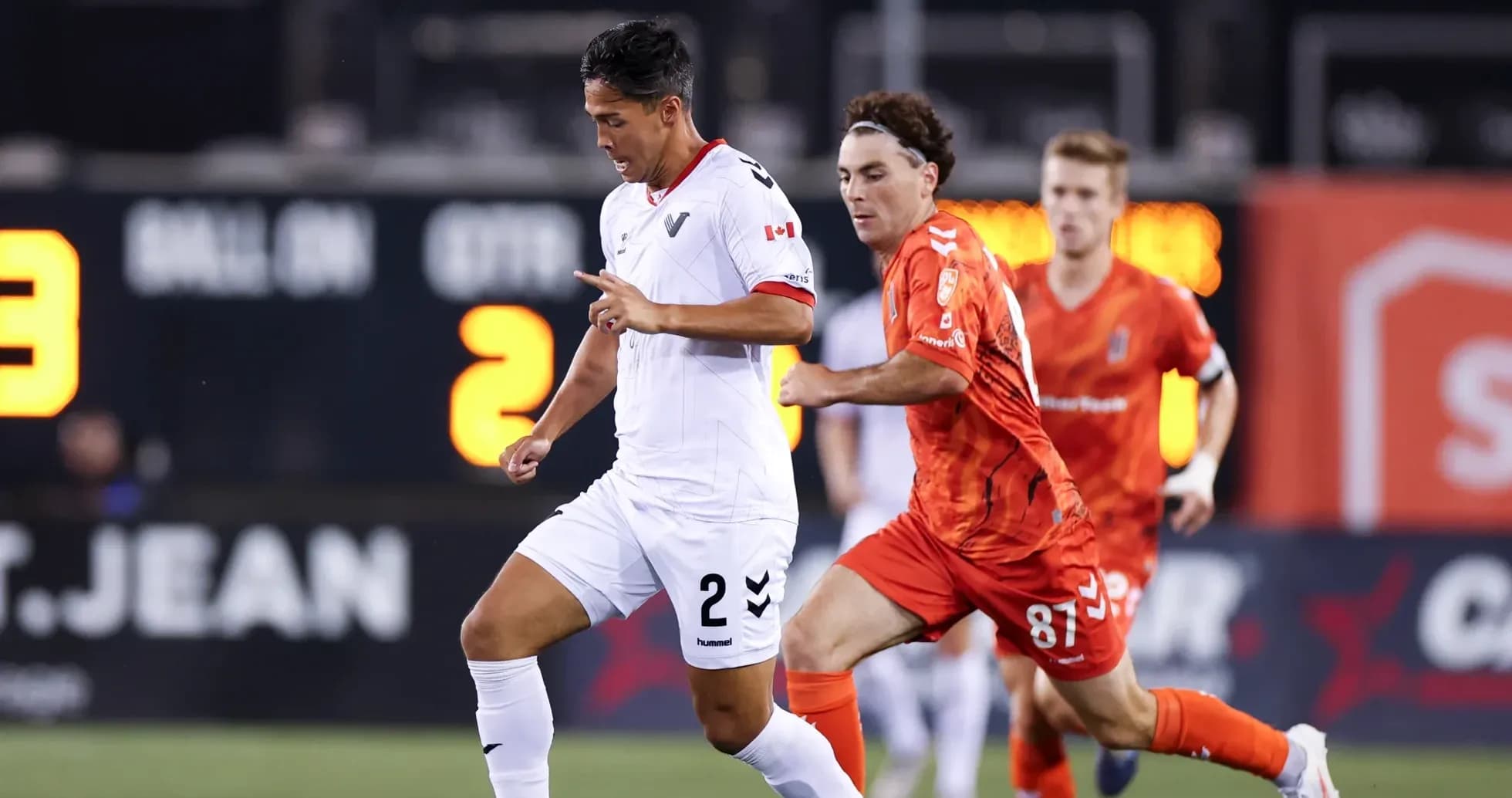
Under the lights at Willoughby Community Park, this Group Stage meeting in the Canadian Premier League delivered a wild 3–3 draw that said as much about both squads’ identities as any league table could. Vancouver FC, sitting 4th with 32 points and a goal difference of +2 (34 scored, 32 conceded in total), met a York United side in 7th on 24 points, carrying the scars of a -16 goal difference (33 for, 49 against overall). Over 90 minutes, those numbers were given vivid, tactical life.
Vancouver came in as a team defined by volatility. Overall they average 1.4 goals scored and 1.3 conceded per match, with a clear pattern: they strike early and often in the first half. Across the season they have scored 23.53% of their goals in each of the 0–15 and 31–45 minute windows, and another 17.65% between 46–60. Yet defensively they wobble after the break, with 25.00% of goals conceded arriving between 61–75 minutes. That blend of front‑foot aggression and second‑half vulnerability framed M. Nash’s decision to lean again on his most trusted structure: a 4‑2‑3‑1 that has been his go‑to in 9 league matches.
York arrived as chaos merchants of a different kind. They score 1.5 goals per game overall but concede 2.2, and on their travels they have managed just 1.0 goal for against 2.2 against. Their minute-by-minute profile screams fragility: 24.53% of goals conceded between 61–75 minutes and 18.87% between 76–90, a side that fades badly under pressure. Yet they also surge after half-time, with 31.03% of their goals scored in the 46–60 window. That duality set the stage for a contest of momentum swings rather than control.
Vancouver's Formation
Nash’s XI was built around a clear spine. In goal, C. Irving anchored a back four of K. Proctor, Thomas Geoffrey Field, M. Campagna and M. Doner. Field, one of the league’s most reliable volume passers with 585 total completed at 85% accuracy, again functioned as the metronome from deep, his left foot a launchpad for Vancouver’s wide play. Ahead of them, the double pivot of D. Pecile and Marcello Polisi offered balance. Polisi, who has started 21 matches and completed 488 passes at 85% accuracy, is also a disciplinary reference point with 6 yellow cards; his role is to sit in the shadows, break lines with short passes, and foul smartly when transitions threaten to open Vancouver up.
The attacking three behind the striker captured Vancouver’s emerging identity. On the right, T. Bah, one of the league’s standout two-way attackers, came in with 3 goals, 1 assist, and a relentless duel profile (139 total duels, 69 won). His 26 attempted dribbles and 28 fouls drawn make him both the chaos agent and the pressure valve in transition. On the left, A. Traore offered verticality, while P. Gee operated between the lines. Up top, L. Mousset led the line, a penalty scorer with 3 goals and 1 assist in total, tasked with pinning York’s centre-backs and linking the press.
On the bench, T. Campbell lurked as the classic impact striker: 4 goals from 594 minutes, 15 shots (6 on target) and a habit of arriving late into matches. With Vancouver scoring 17.65% of their goals between 76–90 minutes, Campbell is the obvious late‑game weapon when Nash wants to lean into that surge.
York's Formation
Across from them, Martin Eustáquio set York up in a 4‑3‑3, a departure from the 3‑4‑3 that has been used most often this season but one that allowed his best creators to coexist centrally. Campos Ralston Kai Antonio started in goal behind a back four of K. Kibato, L. Singh, R. López and M. Ferrari. That line has been exposed all season: on their travels York have shipped 26 goals in 12 matches, and their overall defensive record shows repeated collapses after the hour mark.
In midfield, the engine belonged to S. Yeates, J. Córdova and O. Bassett. Yeates, with 534 total completed passes at 88% accuracy and 15 key passes, is the tempo-setter and the first line of resistance, adding 22 tackles and 6 interceptions. He also walks a disciplinary tightrope: 5 yellow cards and a penalty conceded this season underline his combative edge. Córdova and Bassett offered vertical runs and late entries into the box, critical in exploiting Vancouver’s 61–75 minute defensive softness.
The front three, though, were York’s real statement. On the right, L. Accettola, with 2 goals, 2 assists and 10 tackles plus 10 interceptions, is a modern wide midfielder: part winger, part presser, part auxiliary full-back. On the left, J. Almagro brought 2 goals, 2 assists and 13 key passes, a creative threat who likes to drift inside and combine. But the focal point was T. Skublak, York’s headline striker and one of the league’s most complete forwards: 6 goals, 2 assists, 24 shots (13 on target) and 11 key passes in total. His 121 duels (62 won) and 11 fouls drawn show a player who thrives on contact, occupying both centre-backs and opening lanes for runners.
Crucially, Skublak also embodies York’s disciplinary and emotional edge. With 8 yellow cards, he is as likely to rattle defenders as he is to finish moves, a double-edged sword in a fixture where Vancouver’s yellow-card timing spikes late (23.08% of their bookings arrive between 76–90 minutes). The battle between Skublak’s physicality and Polisi’s and Pecile’s capacity to foul and disrupt was always going to shape central territory.
On the bench, Eustáquio had the creative wildcard B. Badibanga, one of the league’s top assist providers with 4 in total and 15 key passes from just 355 minutes. His 15 fouls drawn without committing any is a remarkable profile, perfect for exploiting tired legs and drawing set-pieces against a Vancouver side that concedes 12.50% of its goals between 76–90 minutes. Alongside him, S. Gonzales carried both threat and risk: a forward with a red card on his record and a history of coming on late (9 substitute appearances), ideal for adding aerial presence but always one challenge away from tilting the game’s emotional temperature.
Statistical Insights
Statistically, this fixture always hinted at goals. Vancouver’s home attack averages 1.7 goals scored and 1.2 conceded, while York’s away profile sits at 1.0 for and 2.2 against. Vancouver’s early scoring surges in the 0–15 and 31–45 windows intersected with York’s defensive softness in the 31–45 and 46–60 periods (16.98% of goals conceded in each). Conversely, York’s explosive 46–60 attacking window lined up almost perfectly with Vancouver’s post‑break wobble.
The 3–3 scoreline ultimately mirrored the pre‑match statistical prognosis: a clash where neither defensive unit could fully contain the opposition’s key weapons. Vancouver’s structured 4‑2‑3‑1, with Field’s delivery and Bah’s relentless running, found joy against York’s brittle back line. York’s 4‑3‑3, powered by Yeates’ control and Skublak’s all‑action presence, repeatedly punched through Vancouver’s mid‑block.
Following this result, the narrative for both squads remains consistent. Vancouver look like a top‑four side with attacking variety but a recurring vulnerability after the interval. York remain the league’s great entertainers and great risk-takers: capable of scoring in bursts, undermined by late-game defensive collapses and a disciplinary profile that keeps every contest on a knife edge.