Valencia vs Barcelona: A Tale of Two Clubs in La Liga
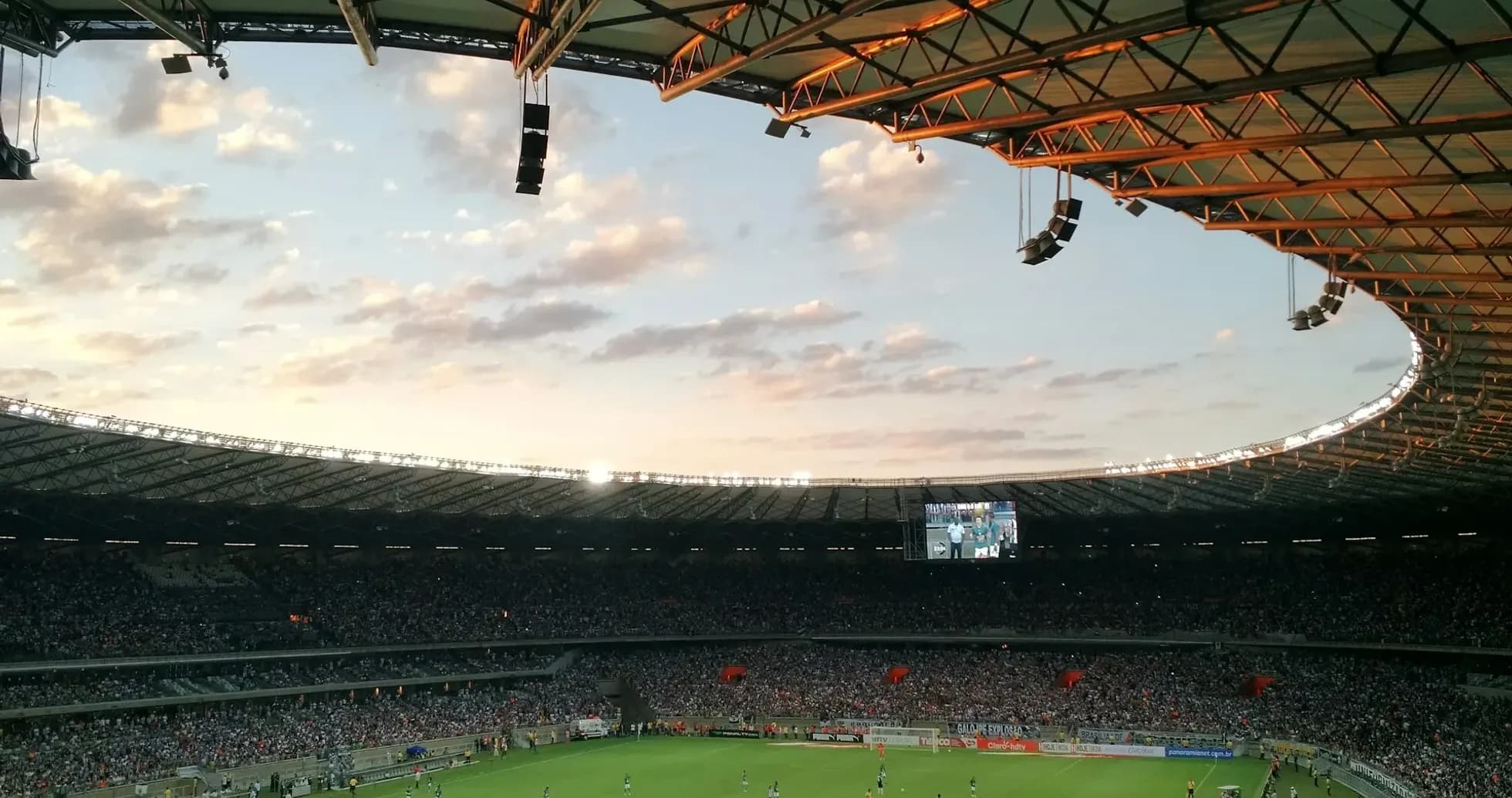
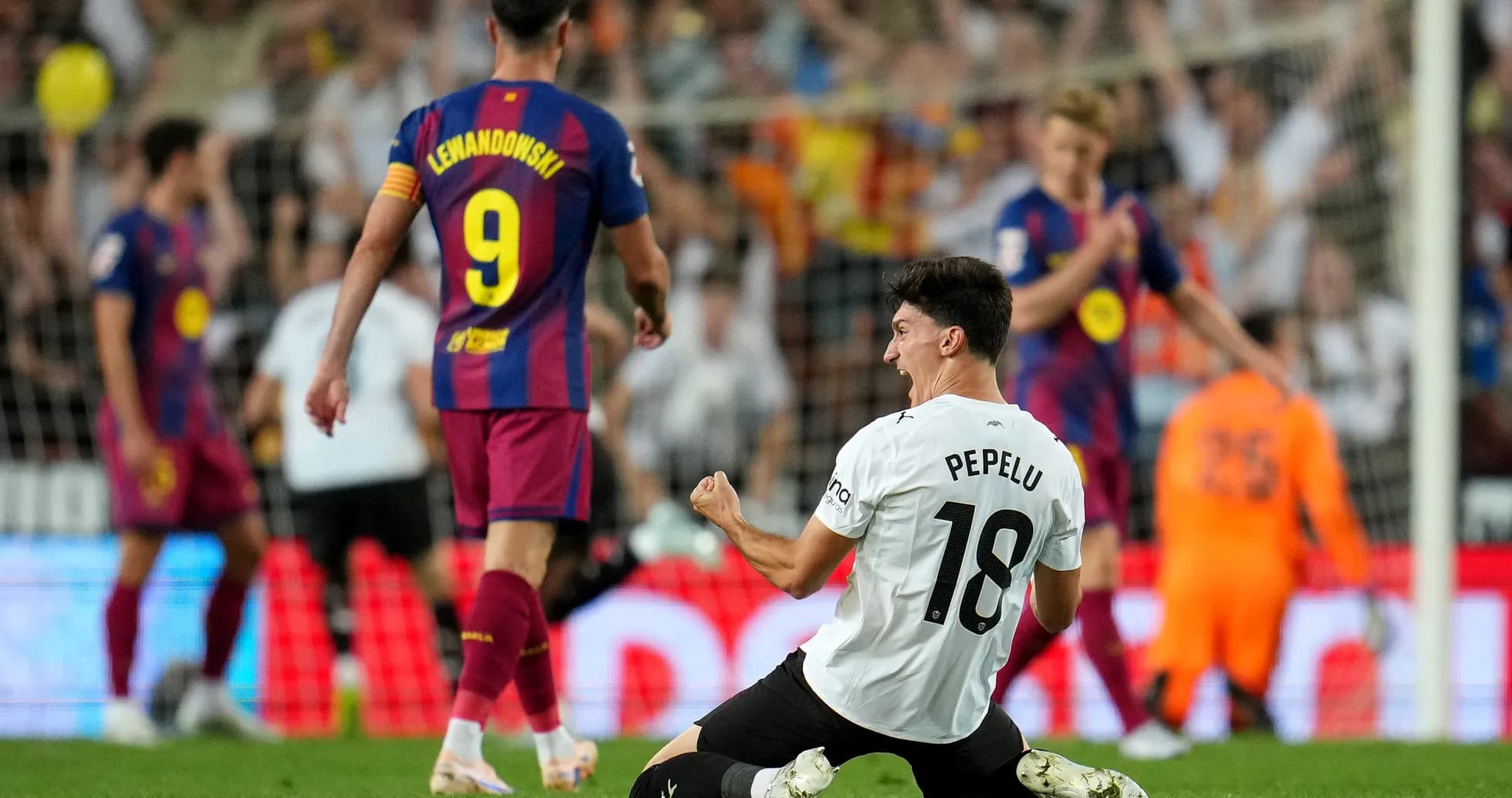
The evening at Estadio de Mestalla told a story of two clubs moving in opposite directions. In La Liga’s Regular Season - 4, Valencia’s 5-0 home defeat to Barcelona crystallised trends that had been forming across the opening weeks: the hosts sinking to the bottom in 20th, the visitors accelerating away at the top in 1st.
I. The Big Picture – contrasting seasonal DNA
Following this result, Valencia remain stranded on 1 point from 4 matches. Overall they have scored just 1 goal and conceded 9, giving a goal difference of -8 that perfectly mirrors their performances: blunt in attack, brittle in defence. At home, the numbers are even starker. In total this campaign at Mestalla, Valencia have played 3, failed to win any, drawn 1 and lost 2, scoring 0 and conceding 6. An average of 0.0 goals for and 2.0 against at home paints the picture of a side whose 5-4-1 is more about survival than control, yet still not providing protection.
Barcelona, by contrast, emerge from Mestalla with 12 points from 4 games, a perfect record built on an imposing total goal difference of +15 (17 scored, 2 conceded overall). On their travels, they have been ruthless: 2 away games, 2 wins, 10 goals scored, 0 conceded, averaging 5.0 goals for and 0.0 against away from home. Hansi Flick’s side have already shown they can dominate at Camp Nou, but it is this travelling swagger that now underpins their early command of the league.
II. Tactical Voids – absences and structural strain
Carlos Corberan’s team sheet revealed a Valencia squad stretched thin. A long list of absentees – S. Canos, J. Copete, J. De Haas, D. Foulquier, D. Lopez, L. Rioja, G. Rodriguez and U. Sadiq – stripped depth from every line. Without Canos’ creativity, Rioja’s width or Sadiq’s presence up front, Corberan doubled down on a compact 5-4-1, with S. Dimitrievski shielded by a back five of P. Maffeo, A. Martinez, M. Diakhaby, Pepelu and J. Vazquez.
The plan was clear: protect the central lane, compress space between the lines, and hope the midfield quartet of D. Otorbi, F. Ugrinic, A. Dieng and J. Guerra could spring A. Danjuma on the break. But a side that has failed to score in all 3 home matches and has already failed to score 3 times overall this season is structurally ill-equipped to chase games once behind. The yellow-card distribution underlines their reactive nature: 33.33% of their cautions arrive between 31-45 minutes and another 33.33% between 76-90, suggesting a team that resorts to fouls as pressure builds late in each half.
Barcelona had their own notable absences – R. Bardghji, J. Bisiwu and F. de Jong – but the depth on Flick’s bench meant the tactical framework remained intact. With J. Garcia in goal behind a back four of E. Garcia, P. Cubarsi, G. Martin and X. Espart, they fielded a fluid 4-3-3 that morphed into a 2-3-5 in possession. The midfield triangle of Fermín, Rodri and Pedri provided control and verticality, while the front three of Lamine Yamal, Raphinha and A. Gordon offered pace, width and incision.
Discipline-wise, Barcelona remain relatively clean: their yellow cards are concentrated in the 16-30 (25.00%) and 46-60 (50.00%) minute windows, usually when they press aggressively to reassert control after transitions. Crucially, they have no red cards and have not lost their composure even when pushing high.
III. Key Matchups – hunter vs shield, engine room vs enforcer
Hunter vs Shield
The most decisive mismatch came down Valencia’s right. Maffeo and A. Martinez, with Pepelu sliding across, were tasked with containing Raphinha and the roaming A. Gordon. Raphinha arrived as La Liga’s most dangerous forward so far: in total this campaign he has 6 goals and 1 assist from 4 appearances, converting 8 of 9 shots on target and completing all 7 of his dribbles. With Barcelona averaging 5.0 away goals, Valencia’s home defence – 0 goals scored, 6 conceded – was always likely to be stretched.
The numbers from Valencia’s back line tell a story of strain. Diakhaby, already on 2 yellow cards in 4 appearances and rated at 6.35 overall, has been forced into last-ditch interventions; he has blocked 2 shots and made 6 interceptions, but those actions often come deep in his own box. Against a Barcelona side that had scored 10 away goals without reply heading into Mestalla, that reactive defending was always going to be punished.
On the opposite flank, X. Espart quietly embodied Barcelona’s balance. In total this campaign he has delivered 2 assists, made 14 tackles and 7 interceptions, and won 25 of 41 duels, all while playing every minute so far. His ability to lock down his side and still contribute 4 key passes and overlapping runs allowed A. Gordon to stay high and wide, stretching Valencia’s back five horizontally.
Engine Room – Playmakers vs Enforcers
The midfield battle was less a contest and more an occupation. Valencia’s quartet tried to compress central spaces, but with Barcelona’s overall attacking average of 4.3 goals per game and only 0.5 conceded, the visitors’ structure was simply superior. Fermín, already with 4 goals and 2 assists this season, drifted between the lines, combining with Pedri to overload the half-spaces. His 9 total shots (8 on target) and 137 completed passes at 83% accuracy show a midfielder who both finishes moves and sustains pressure.
For Valencia, Pepelu’s redeployment on the left of a back three underlined Corberan’s priority: survival first. Yet even with his positional intelligence, the home side’s inability to progress the ball meant J. Guerra and A. Dieng were often trapped in their own half. Without a true ball-winning destroyer to break Barcelona’s rhythm, they became runners without the ball, chasing shadows rather than dictating duels.
IV. Statistical Prognosis – what this result says about both squads
Following this result, the statistical arcs are brutal in their clarity. Valencia’s overall averages of 0.3 goals for and 2.3 against speak of a relegation fight where every point will be a siege. Their single clean sheet at home is an outlier against a trend of sustained pressure and late-game fouling. Without penalties to lean on – they have yet to win or miss one – their margin for error in open play is minimal.
Barcelona, meanwhile, look like a fully formed title contender. Three clean sheets in 4 matches, including both away from home, underscore a defensive platform that allows their forwards to play with freedom. Their single penalty this season was converted, reinforcing the sense of efficiency in decisive moments.
The combination of Raphinha’s cutting edge, Lamine Yamal’s directness (4 goals, 19 key passes in total this campaign), Fermín’s box-to-box threat and the creative supply of A. Gordon (4 assists overall) gives Flick multiple “hunters” in the final third. Behind them, X. Espart’s defensive reliability and the calm of P. Cubarsi and E. Garcia ensure that Barcelona’s aggressive shape rarely feels exposed.
Narratively, Mestalla felt less like a shock than an inevitable convergence of form lines: a Valencia side ravaged by absences and short on belief, and a Barcelona team whose numbers, structure and depth all point towards a season of sustained dominance. For Corberan, the task now is to turn a damage-limitation system into one that can actually threaten; for Flick, it is about sustaining this away-day ruthlessness as the campaign’s demands intensify.