Utah Royals Dominate Houston Dash 2–0: Tactical Insights
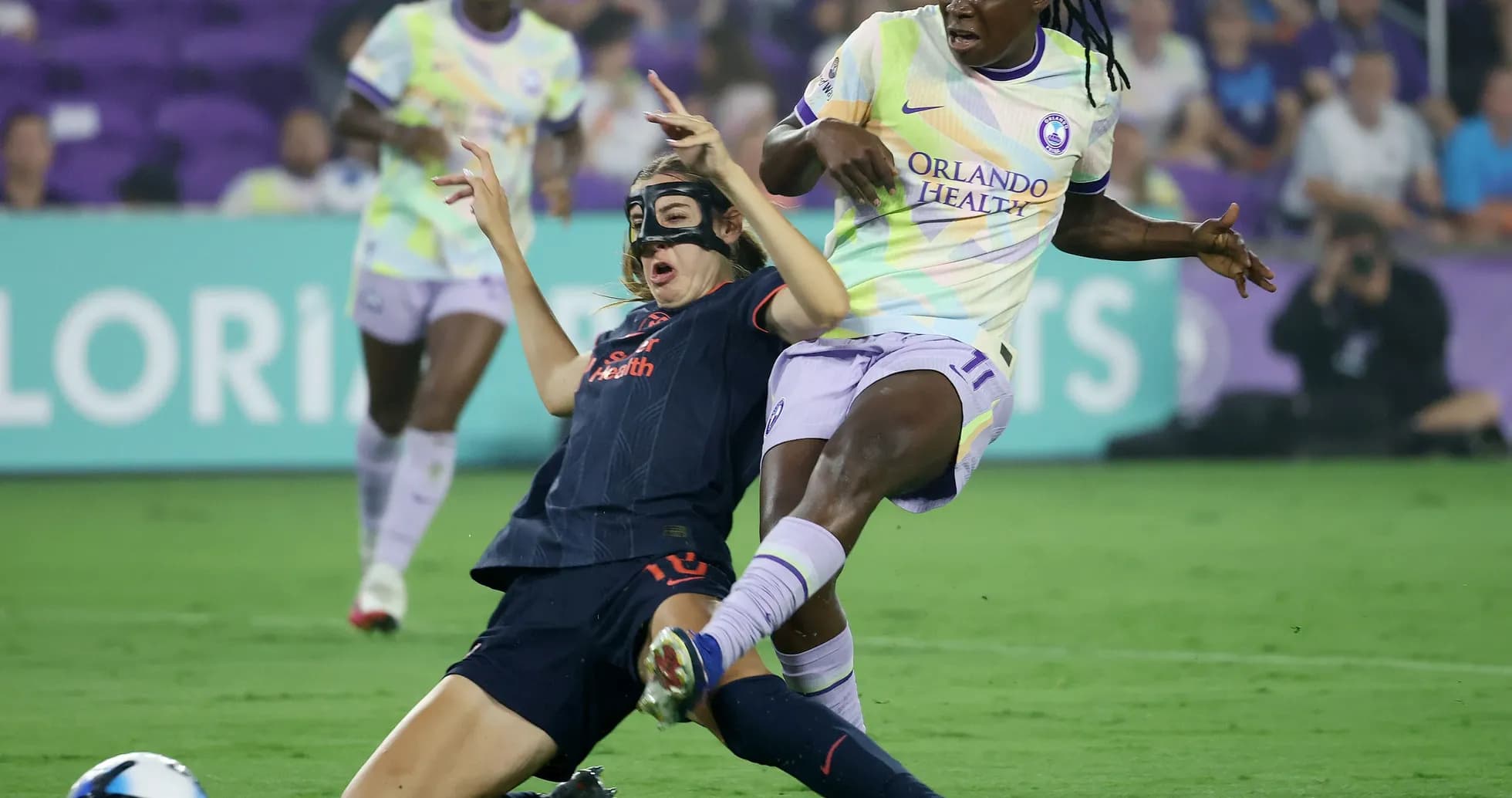
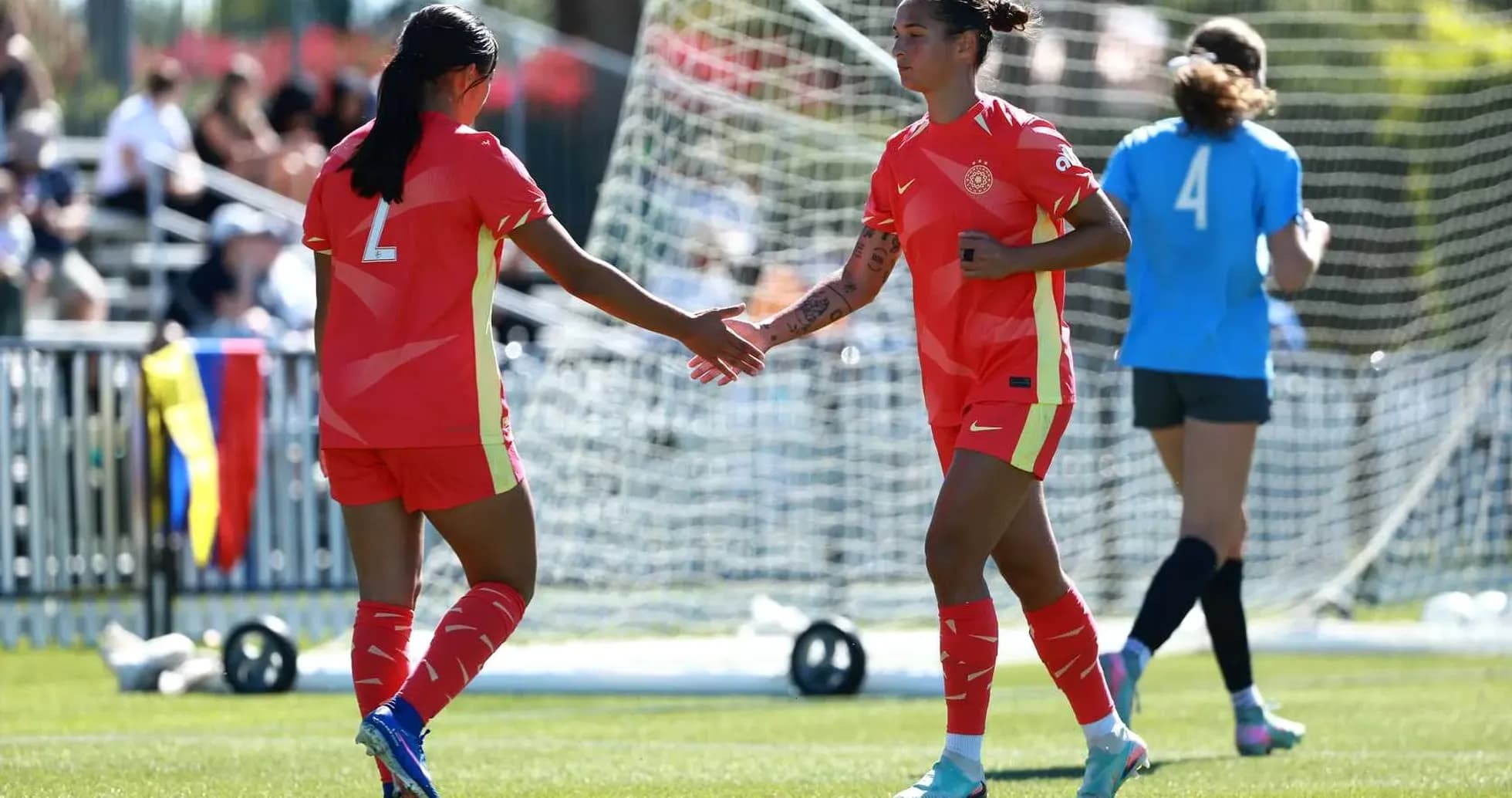
America First Field under the lights has already told one story: Utah Royals W 2–0 Houston Dash W, a statement win that echoed the broader trajectories of these two NWSL Women campaigns. Following this result, Utah sit 2nd on 16 points with a goal difference of 6, Houston 7th on 10 points with a goal difference of 1. Over 90 minutes, the match felt less like an isolated contest and more like a live illustration of their seasonal DNA.
I. The Big Picture: Utah’s structure vs Houston’s fragility
Utah came into this game with the league’s form side profile: five wins, one draw, two defeats in total, and a surging “WWWWW” run in the table. Their numbers back the eye test. Overall they average 1.5 goals for and concede just 0.8, with a defensive base that has already produced 4 clean sheets in total and not a single fixture where they failed to score. At home, that balance is even more controlled: 4 goals for and 2 against across 3 matches, translating to 1.3 scored and 0.7 conceded on their own turf.
Houston, by contrast, arrived as an intriguing but inconsistent outfit. On their travels they had taken 1 win and 2 defeats from 3, scoring 2 and conceding 4 – an away average of 0.7 goals for and 1.3 against. Overall, 9 goals scored and 8 conceded in 7 matches (1.3 for, 1.1 against) painted a picture of a side that lives on fine margins, capable of sharp surges but vulnerable when the game stretches.
Those profiles played out almost to script. Utah’s 4-2-3-1 under Jimmy Coenraets imposed itself early and then tightened the screws. Houston’s 4-4-2 under Fabrice Gautrat, so often built on compactness and vertical transitions, struggled to find its reference points between Utah’s double pivot and three advanced midfielders.
II. Tactical Voids and Discipline: where the gaps opened
There were no explicit absentees listed, so this was close to full-strength on paper. But the real void for Houston was structural. With two out-and-out forwards, M. Bright and C. Larisey, the Dash needed their wide midfielders E. Ekic and L. Ullmark to double as auxiliary full-backs without ceding transition threat. Utah’s shape made that almost impossible.
The Royals’ back four of M. Moriya, K. Riehl, K. Del Fava and J. Thomsen offered secure rest defence, allowing the double pivot of A. Tejada Jimenez and N. Miura to step into aggressive positions. Tejada Jimenez, already the league’s leading yellow-card collector with 3 cautions in total, played on that disciplinary edge, snapping into duels and compressing space in front of the centre-backs. Her season profile – 13 fouls committed and 9 drawn – reflects a defender who lives in the collision zone, and that mentality underpinned Utah’s territorial control.
Utah as a team have a notable disciplinary curve: 23.53% of their yellow cards arrive between 46-60 minutes and another 23.53% between 61-75, with a late-game spike that includes a red card in the 76-90 range (100.00% of their reds in that window). Even without a sending-off here, that pattern underlines how Coenraets’ side plays on the front foot after half-time, often at the cost of bookings.
Houston’s card profile is different but equally telling. A hefty 36.36% of their yellow cards come in the 76-90 window, with 27.27% between 46-60 and 18.18% between 16-30. They foul more as the game wears on, a sign of chasing matches and arriving late into duels. In a fixture where they trailed from the first half, that tendency to accumulate late cards mirrored their growing frustration and the physical toll of defending without sustained possession.
III. Key Matchups: Hunter vs Shield, Engine Room battles
The marquee “Hunter vs Shield” narrative was always going to orbit around C. Lacasse and Houston’s back line. Lacasse arrived as Utah’s attacking spearhead: 3 goals and 2 assists in total, 8 shots with 6 on target, and 19 key passes at a 75% passing accuracy. She is not just a finisher but a creator and pressing trigger, with 21 tackles and 8 interceptions in total pointing to a forward who defends from the front.
Up against her, the Dash leaned heavily on P. K. Nielsen, one of the league’s standout defensive presences. Across the season, Nielsen has 13 tackles, 7 blocked shots and 9 interceptions, backed by 251 completed passes at 82% accuracy. She is the anchor of Houston’s back four, and her positioning is central to keeping their away goals against at 1.3 per game.
In Sandy, Utah’s structure tilted the duel in Lacasse’s favour even when she wasn’t directly on the scoresheet. By drifting into the left half-space and combining with Minami Tanaka and P. Cronin, she forced Nielsen to defend laterally rather than purely in front of goal. That stretched the 4-4-2 into a de facto back five at times, with full-backs L. Boattin and L. Klenke pinned deep and unable to provide the progressive width Houston needed.
In the “Engine Room” matchup, Utah’s Tanaka versus Houston’s midfield enforcers was decisive. Tanaka, one of the league’s top assist providers with 3 in total plus 1 goal, is a high-volume connector: 147 passes, 6 key passes, and a 70% accuracy. She also brings 17 fouls drawn, constantly inviting contact and free-kick territory.
Houston’s counterweight was likely to come from players like S. Puntigam in the starting XI and, from the bench, D. Colaprico, who combines 174 passes at 78% accuracy with 11 tackles, 4 blocked shots and 5 interceptions. Yet Utah’s double pivot meant Tanaka often received between the lines with Tejada Jimenez and Miura screening behind her. Houston’s central pair were forced to choose between tracking Tanaka or stepping out to pressure the pivots; they rarely managed both, and Utah’s first-half goal grew directly out of that indecision.
IV. Statistical Prognosis and xG-style verdict
Even without explicit xG data, the season numbers and this 2–0 scoreline converge on a clear prognosis. Utah, heading into this game, were a side that consistently out-performed opponents by volume and quality: 12 goals for and 6 against in total, a goal difference of 6 that aligns with their ability to both create and limit chances. Their record of failing to score in 0 matches and keeping 4 clean sheets in total suggests a team that regularly wins the xG battle at both ends.
Houston, meanwhile, came in with a narrow positive goal difference of 1 (9 scored, 8 conceded). On their travels they had managed just 2 goals across 3 matches, while conceding 4. That away profile – low attacking output, moderate defensive leakage – is exactly the sort of platform that a high-pressing, structurally sound side like Utah can exploit.
This 2–0, then, feels like an xG-aligned result rather than an outlier. Utah’s layered 4-2-3-1, the two-way threat of Lacasse and Tanaka, and the combative edge of Tejada Jimenez in front of a disciplined back four all point to a team built to dominate territory and chance quality. Houston’s 4-4-2, reliant on individual sparks from players like K. van Zanten and Colaprico over the season, struggled to translate its intermittent attacking peaks into sustained pressure.
Following this result, the tactical lesson is stark. Utah look every inch a play-off contender whose numbers and structure travel well. Houston remain in the mix, but unless they find a way to raise their away attacking ceiling above 0.7 goals per game and reduce those late yellow-card surges, nights like this in Sandy will continue to define the gap between the league’s hunters and those still learning how to survive the chase.