USMNT Storylines: Tillman, Aaronson, Robinson, Pepi This Season
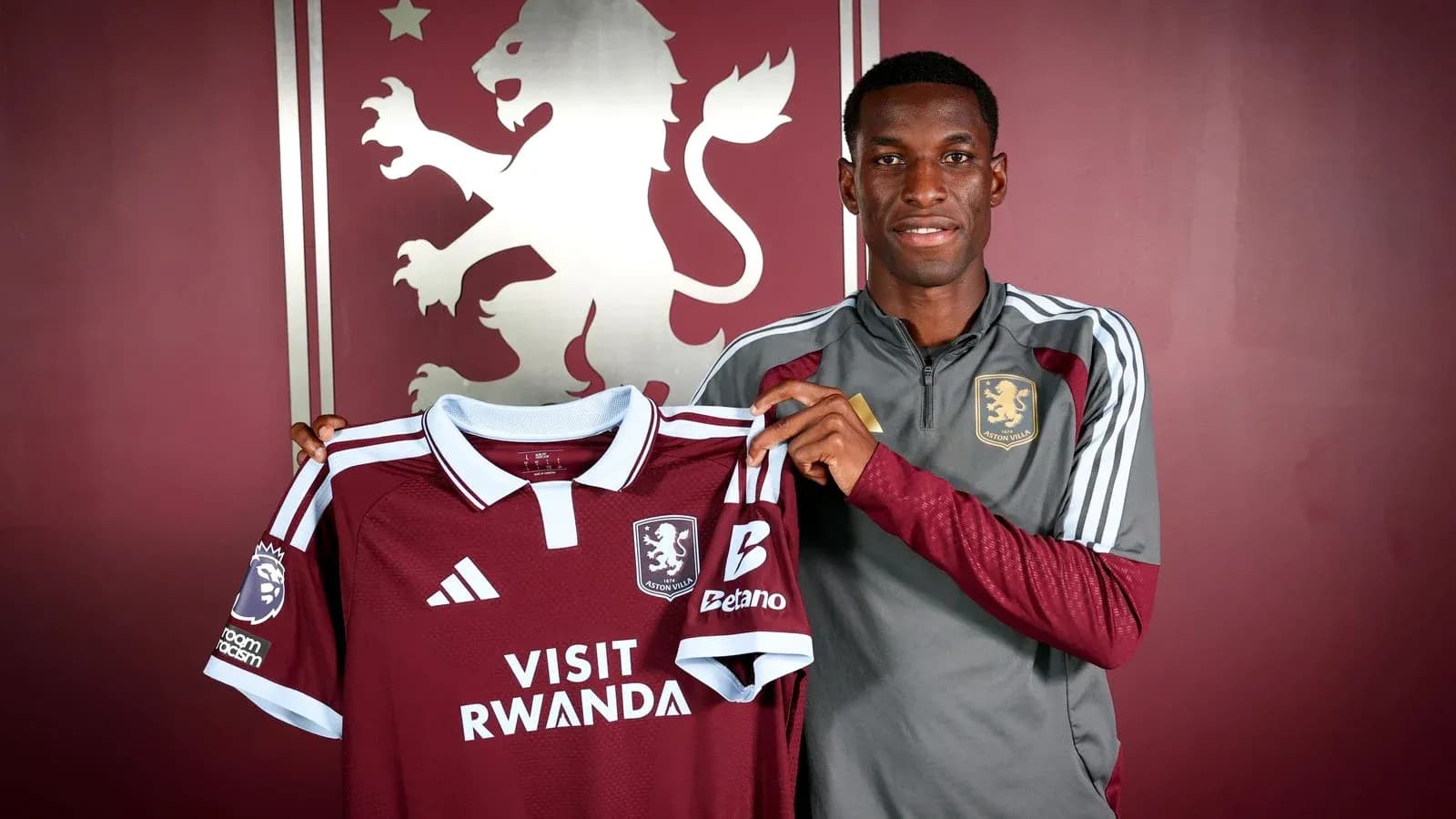
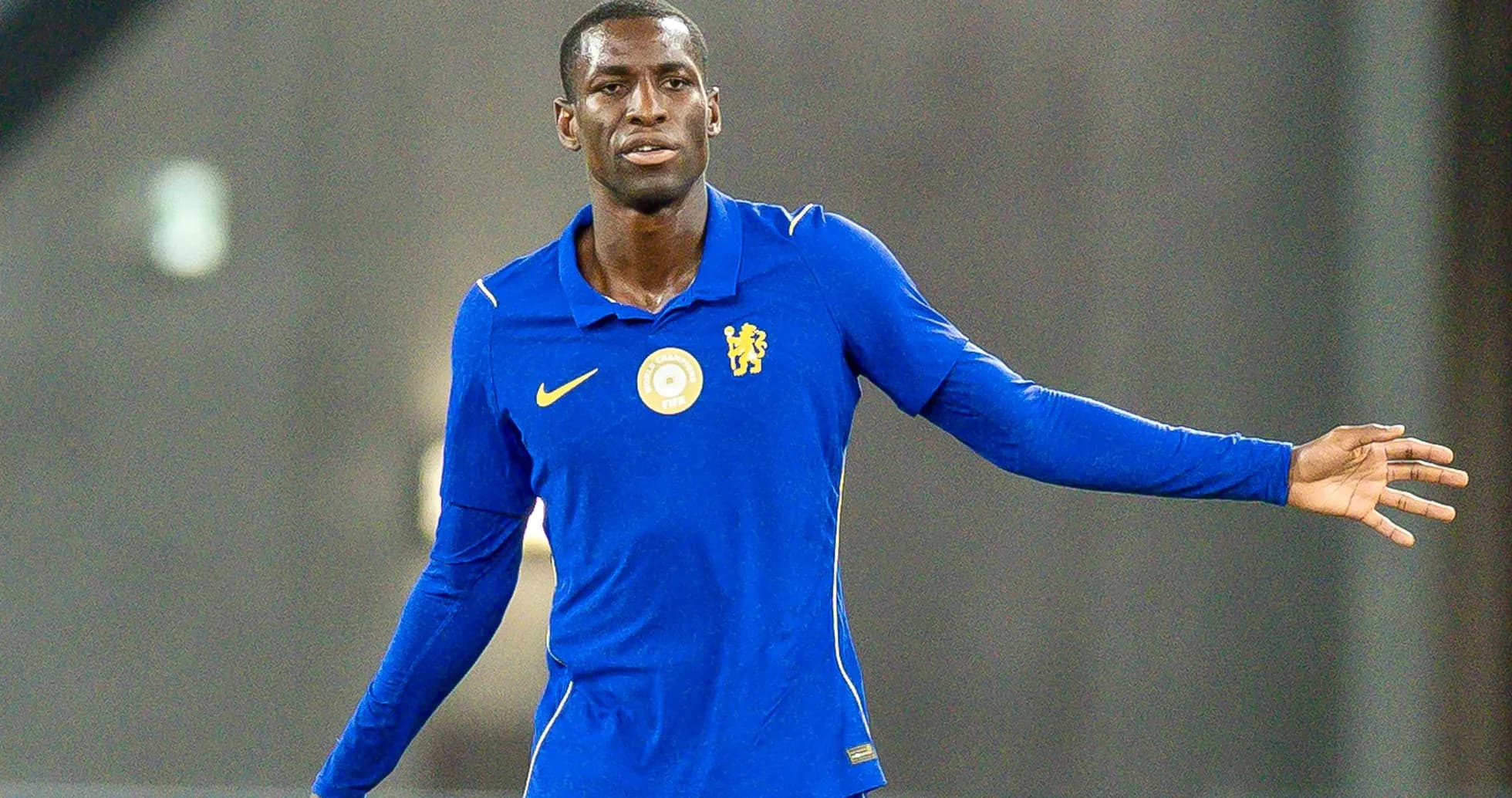
Malik Tillman walked out of the World Cup with his reputation transformed. Mauricio Pochettino took the American who once floated around as a silky No.10 at PSV and dropped him deeper, turning him into a No.8 who hunted the ball and drove it forward. The highlight reels still sparkled – those two outrageous free kicks are already stitched into USMNT folklore – but the role had changed. He was no longer just a creator. He was a machine.
Now comes the awkward part: club football.
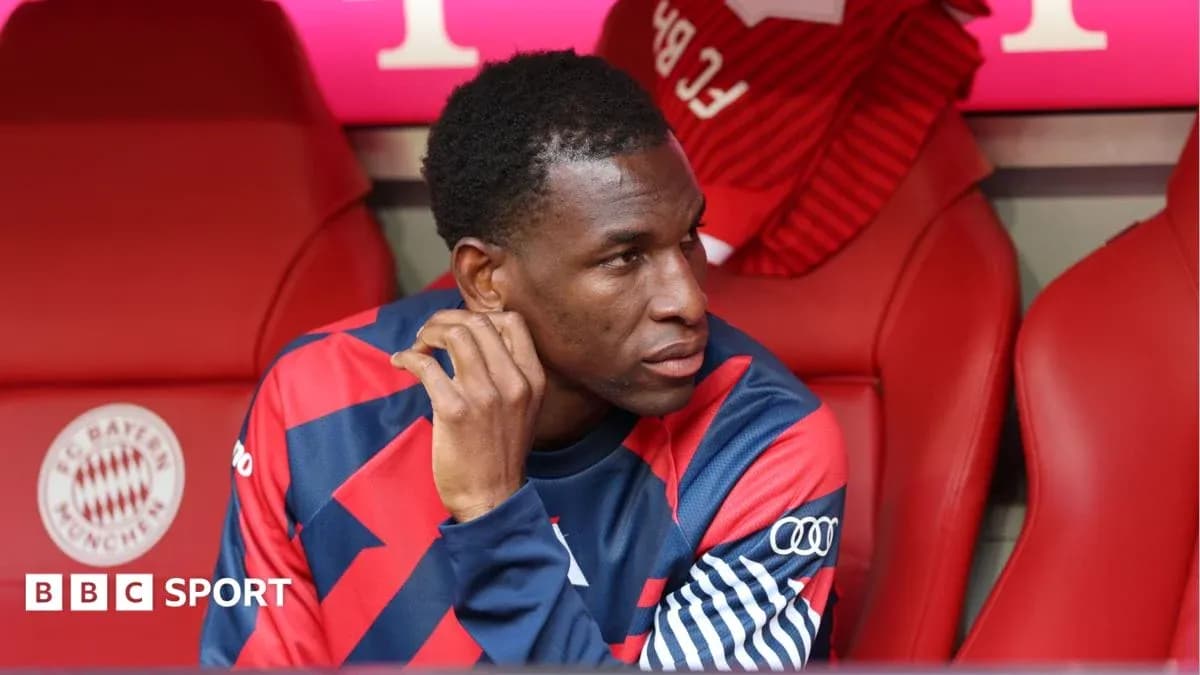
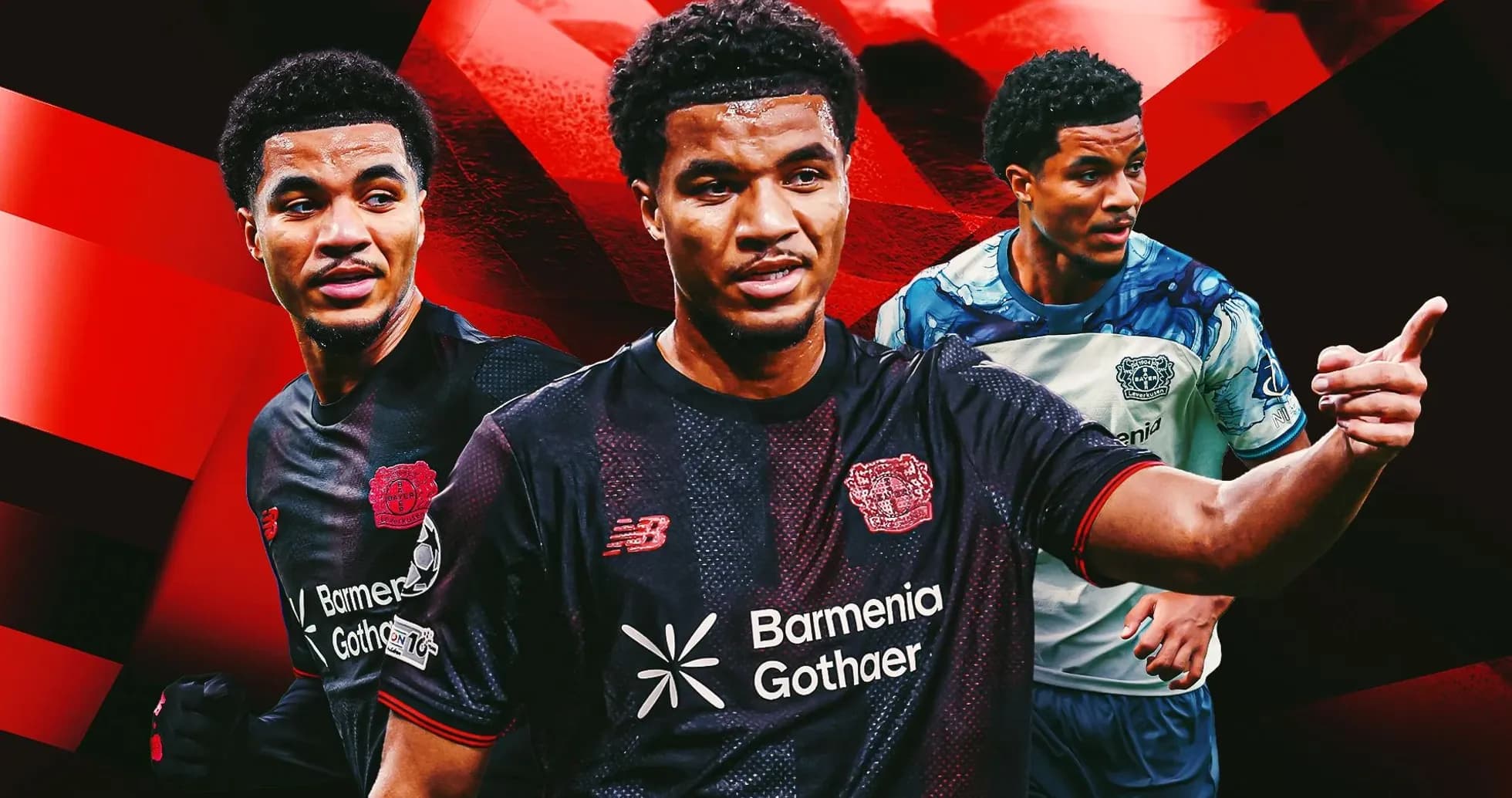
The Bayer Leverkusen Tillman returns to is barely recognisable from the one he joined a year ago. Then, they were freshly crowned Bundesliga champions, Champions League-bound and riding the high of finally breaking Bayern Munich’s grip on the league in 2024. That glow has faded. Last season was flat, and by the end of it Leverkusen were left with the Europa League as a consolation prize.
Tillman never truly caught fire in that slump. Six goals and one assist across all competitions was a modest return for a player of his talent at a club of that size. Ineffective is the word that lingers.
So this year has to be different.
Carles Martínez Novell arrives as the reset button. His work at Toulouse – doing plenty with very little for four years – earned him the reputation of a coach on the rise, the kind of appointment that suits a club trying to rediscover its edge. He wants the ball, wants his team to play forward, wants risk in possession. That should speak directly to Tillman, whether he’s used again as a Pochettino-style No.8 or allowed to drift back into a more traditional No.10 role.
Crucially, there is space for him now. Leverkusen need someone to grab that midfield and give it personality again. And a home date with Elversberg, fresh to the Bundesliga and still learning the division, offers as soft a landing as he’s likely to get.
If Tillman is going to turn his club career around, this is the kind of game where the new version has to show up.
Aaronson’s endless engine, lingering question
Brenden Aaronson remains one of the most intriguing puzzles in American soccer. His work-rate is beyond doubt. He presses, he sprints, he tracks back, he never stops. As a playmaker, he keeps adding layers. Yet the numbers still nag away at the perception of what he could be: 33 goals and 31 assists in 268 league matches feels light for someone with his talent and freedom.
And yet, he’s still there. Still trusted.
At Leeds, Aaronson has ridden out enough rough patches to know how quickly things can turn. Under Daniel Farke, though, he has earned something solid: the manager’s faith. This season, he looks set to be a genuine starter, not just a rotation option or impact sub.
His first outing of the campaign, a 1-0 win over Nottingham Forest, summed him up. Stationed on the left wing, he didn’t create a single chance. On paper, that’s a concern for an attacking player. On the pitch, he was everywhere. Seven defensive contributions. Fourteen sprints completed. Six ball recoveries. All the trademark Aaronson chaos, all the dirty work that keeps a system ticking.
But the same question hangs in the air again. Where is the cutting edge?
Leeds have tried to ease that burden. Harry Wilson’s arrival on the right should bring extra goals and creativity, giving Aaronson more room to play without forcing him to be the primary playmaker. Even so, this team still needs a sharper spark in the final third, especially when the opposition are as structured and stubborn as Brentford.
Sunday afternoon will test just how much responsibility Aaronson can carry in this version of Leeds. The energy is a given. The output, once more, is the thing that has to catch up.
Robinson, chaos and a harsh lesson
Alvaro Arbeloa’s first Premier League match in charge of Fulham was a wild ride. A 3-2 defeat to Chelsea, yes, but not the kind that leaves a manager panicked. The Cottagers were bold, expressive, loaded with young attacking talent and ideas. For a coach who struggled to manage the egos and politics at Real Madrid, this might be the perfect laboratory: a team built for controlled chaos.
Antonee Robinson fits that idea almost too well.
Arbeloa wants his full-backs to live high up the pitch, to push, to probe, to take risks. That has always been Robinson’s calling card. His speed, his willingness to overlap, his ambition in possession – these are the things that got him here. Against Chelsea, he showed that side of his game again, playing more line-breaking passes than Fulham’s left winger, Cesar Palacios.
The problem? Fulham lost, and Robinson spent much of the night chasing shadows.
Cole Palmer delivered a clinic on that flank, drifting inside, popping up in pockets, twisting Robinson one way and then the other. The American never really got close enough to shut him down. For all the attacking licence, the defensive reality was brutal.
A response is needed, especially without the ball.
Sunderland arrive in an unusual position of their own. The Black Cats somehow hauled themselves into European qualification last season and now have to juggle domestic duties with a looming Europa League campaign. That kind of schedule stretches a squad thin and tests concentration. On paper, they look like a team that can be got at.
If Arbeloa is going to stick with this high-wire act, Robinson’s recovery performance – both mentally and defensively – will say a lot about how sustainable it really is.
Pepi, stuck in place and still scoring
Ricardo Pepi’s World Cup was supposed to be the launchpad. A straight shootout with Folarin Balogun for the starting striker role, a chance to plant his flag on the global stage. Instead, he left with no goals, no assists and around 200 minutes that drifted by without the impact he wanted. For a player tipped for a breakout tournament, it stung.
The months since haven’t exactly followed the script either.
In January, reports had him on the brink of a move to the Premier League. Then came a broken arm. While that healed, he did what he does best: score goals for PSV. He kept finding the net, kept hinting that he was ready for a bigger platform. Yet the summer window came and went without the step up he seemed destined to take.
So here he is, still in Eindhoven, still leading the line, still searching for that next level.
From PSV’s point of view, there’s no dilemma. Pepi is their main man up front. They need his goals. They have a title to defend and a Champions League campaign looming, with all the demands and spotlight that brings. He has already started the league season with two goals in three games, a reminder that, whatever the noise around his future, he remains reliable where it counts.
Utrecht at home is the next assignment.
Keep the domestic form rolling, keep the goals coming, and this “stuck in place” stretch might end up looking very different in hindsight. For Pepi, as for Tillman, Aaronson and Robinson, the theme is the same: the platform is there. The question now is who turns promise into something more permanent.