Uruguay's World Cup Start Disrupted by Bureaucratic Chaos
On the eve of their World Cup opener, Uruguay’s meticulous plans were thrown into disarray not by an opponent, but by paperwork.
Less than 24 hours before facing Saudi Arabia, Marcelo Bielsa’s side should have been in Miami, easing into tournament mode. Instead, La Celeste were stuck at their base camp in Playa del Carmen, grounded by missing documents and a bureaucratic mess that turned a routine flight from Cancún into a small World Cup scandal.
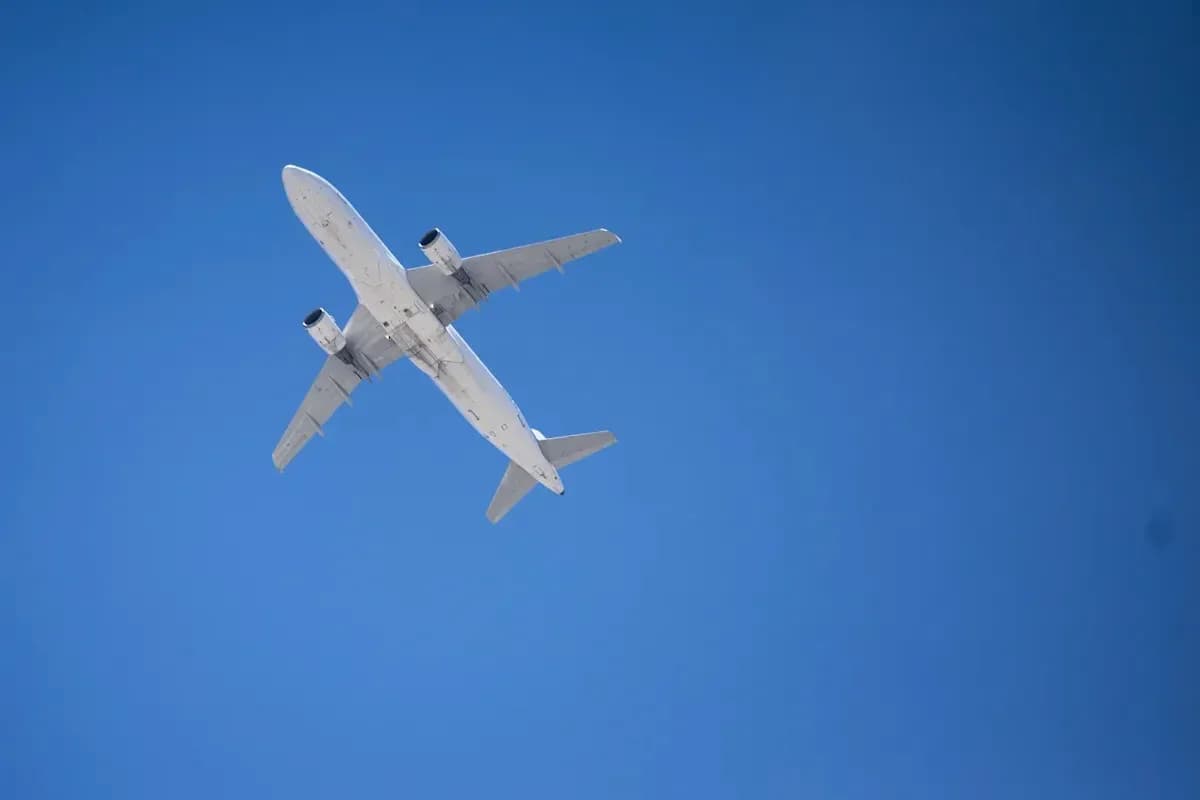
The team’s plane never left the tarmac. Reports indicated that the necessary permits for the overland flight had not been secured in time, with initial suggestions that FIFA had failed to arrange the documentation. What should have been a smooth hop to Miami became a long, uncertain wait.
The Uruguayan Football Association (AUF) confirmed that the problem lay outside their control. Asked by The Guardian whether FIFA were at fault, a federation spokesperson pointed to forces beyond Montevideo’s reach: “Due to issues beyond the AUF’s control, the departure from Mexico was delayed.” Behind the scenes, AUF officials scrambled for hours to salvage the schedule, working to secure a replacement flight while players and staff stayed marooned at the hotel.
As the blame game flickered into life, FIFA pushed back. Speaking to ESPN, the governing body shifted responsibility towards the carrier, stating that the airline had apologized for the disruption. FIFA stressed it had remained in close contact with Uruguay’s delegation throughout and had worked with the airport and other partners to untangle the mess as quickly as possible.
None of that changed the reality for Bielsa’s squad. A key pre-match day, usually built around rhythm and routine, had been shredded. Travel, training, media duties – all of it knocked out of sync.
The scheduled press conference with Bielsa and captain José María Giménez was scrapped, denying Uruguay the usual chance to set the tone before their tournament debut. For a coach obsessed with detail and preparation, this was the kind of chaos that can grate.
Bielsa, though, chose to play it down. He insisted the situation “did not cause a problem,” a deliberate attempt to strip the drama from events and keep the focus on the football rather than the flight plan.
Giménez offered a more candid view. “We had a few complications and it was difficult,” the defender admitted, underlining the strain the group had felt as hours slipped by and uncertainty lingered. The players, he said, did what they could: they stayed in the hotel, recovered, and tried to make the best of a bad hand.
Eventually, a solution arrived. A new flight was arranged and Uruguay did get out of Mexico, albeit far later than anyone had intended. The delay was significant, the preparation clearly less than ideal.
For a nation that treats World Cups as a matter of identity as much as sport, it is an aggravating way to start. The question now is simple: will this be remembered as a footnote, or as the first turning point in Uruguay’s campaign?