Unai Emery: The Steady Force Behind Aston Villa's Journey
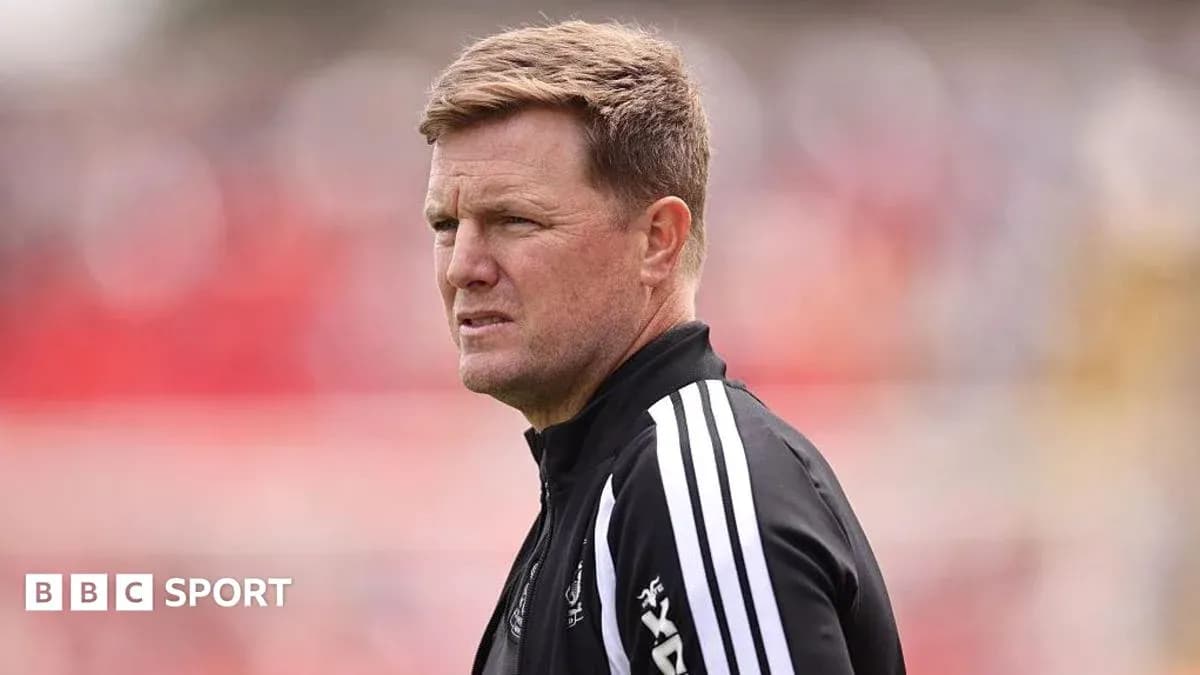
Unai Emery does not do panic. He prowls the technical area, kicks every ball, waves his arms, but behind the dressing-room door he is usually the still point in Aston Villa’s storm. Players talk about a manager who is harsher after a win than a defeat, a coach who dissects victories as if they were losses.
John McGinn remembers the one time Emery snapped. It was early in his reign, at half-time, and the Villa captain was laying into teammates. Emery turned, not on the team, but on McGinn. For the manager, the shouting was wasted energy. Emotion, yes – but not solutions.
They have been here before, all three of them: Emery, McGinn, Villa. Just last season, in fact. At this stage they had no points in the Premier League and were still 157 minutes from scoring their first goal. The campaign that ended with Champions League qualification for the second time in three seasons began in the mud.
By that measure, this year’s stuttering start is almost progress.
The goalless draw at Hull on Saturday will not live long in the memory. It was tight, scrappy, short on clear chances. Yet there were enough flashes – a pattern emerging here, a combination there – for Emery to sound calm when he insists Villa will rise again.
Given his record, it is hard to argue. Under him, this has been the club’s most successful period in recent history. He knows it too.
“When we started the project here, the ambition we had, it was [not even] in our highest expectations to be in Europe four years in a row,” he said. “It was very difficult when we started working together but it was the ambition of the owner. We set our standards high with the players to be there and we are. Now is the moment to remember how we got here and the way we did. Now it is a different moment and chapter.”
When the pressure builds, Emery does not rip up his plan. He doubles down on it.
Last season Villa went six games in all competitions without a win. They finally broke through in their seventh, a Europa League tie against Bologna, McGinn scoring the only goal. The day followed a now-familiar pattern: players summoned around 11.30am for one of Emery’s forensic opposition meetings.
They know the drill so well, McGinn jokes, they walk into the room “like robots”.
Emery’s focus in those sessions is relentless. Body shape. Angles. Five-yard movements. Jhon Durán – now on loan at Benfica from Al-Nassr after spells at Fenerbahce and Zenit St Petersburg – is remembered at Villa as the only player who once asked to leave a meeting midway through.
The detail can be suffocating. The results, when it clicks, are not.
On Tuesday, Villa meet Club Brugge for the fourth time in two years, hoping Europe again becomes the spark. After that Bologna win last September, they rattled off 17 victories in 19 matches, a surge that reshaped the season and the club’s expectations.
Half of the 14 players involved that night have since moved on. One who remains, Emiliano Buendía, believes this rebuilt squad can find a similar rhythm.
“It has not been the start we wanted, but we are trying to take the positive things from every match,” the Argentinian said. “We will try to change this momentum in terms of results and try to get our confidence back to perform well and [achieve] the results we want.”
Another Champions League campaign is not a right; for Villa, it is still a prize. Returning to this stage, a year after lifting the Europa League, might be Emery’s most impressive achievement yet. Supporters will feel that as they drift through the cobbled streets of Bruges this week, and again when they spill into Barcelona in November.
Emery, crucially, still feels it too. The job has not dulled him. At Bodymoor Heath he works long, intense mornings, then occasionally disappears for what he calls a “good nap”.
“Sometimes I need a good nap, after intensive work in the morning,” he said with a smile last week.
He will not be sleeping soundly over Villa’s attacking numbers. George Hemmings’s 13th‑minute effort at Hull remains their only shot on target this season. The 19-year-old, signed from Nottingham Forest at 16, also slid a perfect pass through for Buendía, who could not take a golden chance.
The temptation is to dwell on the blunt edge. Yet Emery will be replaying the Super Cup in his head too. Villa went toe-to-toe with Paris Saint‑Germain, a side he calls the best team on the planet, and only narrowly lost less than a month ago. Since then, the squad has been strengthened again.
Among 11 summer arrivals, Ibrahim Mbaye stands out as one of the most intriguing. The 18-year-old, an unused substitute for PSG in Salzburg, watched from the bench at Hull. Another new face, Johan Manzambi, is edging back to full fitness after a knee injury and could appear as soon as Saturday against Nottingham Forest.
Emery is not rushing anyone. Only two of the new signings, Zion Suzuki and Nicolas Jackson, started at Hull. Matteo Ruggeri, Aaron Wan-Bissaka and Alejandro Garnacho came on from the bench. Taylor Harwood-Bellis, a £25m signing left out of the Champions League squad, watched from the stands in Yorkshire. João Gomes’s debut ended early with a red card. Leon Goretzka, recruited on a free after leaving Bayern Munich, will not be seen until at least October because of a knee setback.
This is how Emery works. He folds players into his system slowly, sometimes painfully slowly. Youri Tielemans had to wait four months for his first start, then became one of the non-negotiables on the team sheet.
The standards are unforgiving. For the players, and for the coach himself.
“In football, if you are expecting transition, maybe you are not in the right way,” he said last month. “We have to rebuild the team as fast as possible. I don’t know if we need time or not. We are progressing – still not enough because we are not getting good results – but tomorrow is a new test in Europe.”
Another test, another chapter. Emery has dragged Villa out of slow starts before. The question now is whether this version of his team can find that familiar surge in time to keep their place among Europe’s elite.