South Africa Held to Draw by Nicaragua in Orlando
South Africa wanted rhythm. They left with questions.
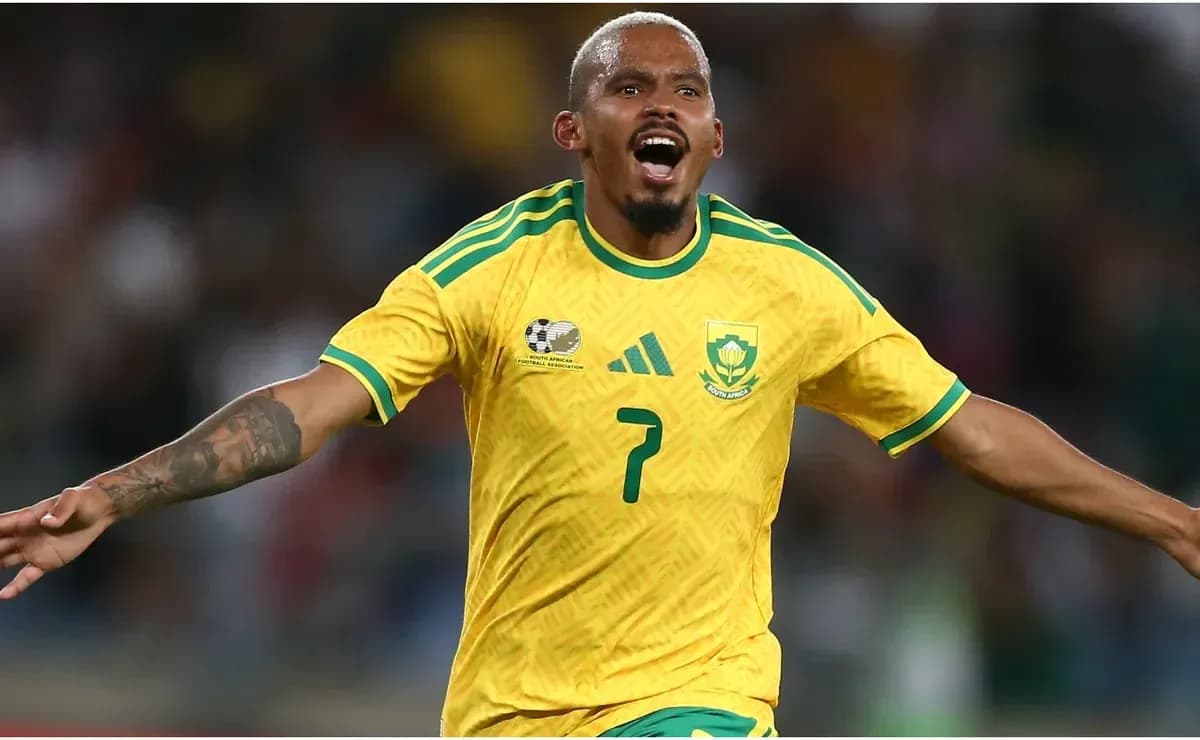
On a crisp afternoon at the Orlando Amstel Arena, Bafana Bafana dominated territory, possession and chances, yet walked off with a flat 0-0 draw against a Nicaragua side that will be watching the 2026 World Cup from home. For a team days away from facing Mexico, Czechia and South Korea on the biggest stage, this felt less like a tune-up and more like an alarm.
All South Africa, no finish
From the opening whistle, the pattern was clear. Nicaragua dropped deep, two tight lines, little ambition beyond surviving the first wave. South Africa pushed high, full-backs wide, midfielders stepping on the ball and probing.
They found joy early down the right. In the 16th minute, Kamogelo Sebelebele burned his marker and whipped in a teasing cross, only for captain Themba Zwane to fail to steer it on target. It set the tone: promising approach play, wasteful execution.
Set pieces did not help. A dangerous free-kick on 34 minutes was launched into the stands by Tshepang Moremi. Soon after, another clever move saw Nicaragua’s defence caught square, only for a last-ditch recovery to smother Sebelebele as he shaped to finish.
Nicaragua’s threat, such as it was, came in flickers. Jonathan Moncada sent a speculative effort high from distance, then nodded a free-kick wide. They at least reminded South Africa that a lapse in concentration could be punished, but they rarely stitched together sustained attacks.
At the other end, Adonis Pineda was already warming to his role as the night’s central figure. He took a heavy hit from Thabang Matuludi while claiming a cross on 36 minutes, needed treatment, then rose and carried on as if nothing had happened. South Africa would see a lot more of him.
A missed penalty and a missed message
The clearest moment of the first half came shrouded in controversy.
With three minutes left before the break, Sebelebele went to ground in the box under minimal contact. The referee pointed to the spot. Nicaragua’s players surrounded him in disbelief, gesturing furiously. Replays only strengthened the sense of injustice.
Justice, though, came from the post.
Lyle Foster stepped up, stuttered in his run-up, and smashed his penalty straight onto the woodwork. The ball cannoned away, Pineda beaten but unpunished. South Africa’s players walked to the tunnel wearing the look of a team that knew they had just squandered a gift.
Better, stronger, faster in almost every physical metric. Still 0-0. Still no punch.
Appollis ignites, Pineda refuses to yield
The second half brought changes and, briefly, a spark.
Coach Hugo Broos turned to his bench at the interval. Oswin Appollis, Thapelo Maseko, Iqraam Rayners, Relebohile Mofokeng and goalkeeper Sipho Chaine came on as South Africa tried to inject pace and urgency.
Appollis transformed the tempo within minutes. Dribbling at defenders, cutting inside, stretching Nicaragua in ways they had not been troubled in the first half, he immediately created two chances in quick succession. Both times, Pineda read the danger, his handling calm, his positioning immaculate.
The pattern hardened: wave after wave of South African attacks, Pineda in the way.
On 54 minutes, a tame-looking effort took a wicked deflection and almost looped over the keeper. Pineda scrambled, adjusted, and clawed it down. Soon after, Maseko cut inside and cracked a powerful shot towards the corner. Again, the Nicaraguan goalkeeper got across to push it away.
The pressure finally told in volume, if not on the scoreboard. Crosses rained in, Nicaragua’s back line cleared, scrambled, blocked. South Africa’s forwards snatched at chances, rushed shots, and watched the man in green repel everything.
Double save of the night
The defining moment of Pineda’s performance arrived in the 81st minute.
A deep delivery was flicked on, the ball skidding towards the far post. Pineda reacted, flinging himself to parry the initial header. Before anyone in yellow could react, the rebound fell invitingly in the box. A South African boot swung through it. Pineda, still recovering from the first save, somehow threw himself across his goal again to block the follow-up.
Two saves in seconds. One scoreboard frozen.
By then, the game had drifted into a gray zone, the earlier intensity dulled by substitutions and frustration. South Africa still controlled the ball, but their attacks lost structure. Shots from distance, hopeful crosses, heavy touches. The ideas that had carried them into promising positions in the first half seemed to fade as the minutes ticked away.
Mofokeng dragged an effort wide. Another chance skidded past the post. The clock hit 90. Six minutes went up on the board. The urgency returned, but the composure did not.
Nicaragua’s proud night, South Africa’s uneasy one
When the final whistle blew, Nicaraguan players embraced their goalkeeper. For a country that rarely leaves a mark on the international stage, holding a World Cup-bound side to a goalless draw, away from home, felt significant. They had almost no attacking joy, but their defensive organisation and Pineda’s reliability gave them a result that will sit proudly in their recent history.
South Africa, by contrast, trudged off with a very different feeling.
They had the better roster. They dictated the game. They carved out enough chances to win comfortably. Yet they walked away with no goals, a missed penalty, and a highlight reel belonging to the opposing goalkeeper.
For a team about to step into Group A at the 2026 World Cup, this was supposed to be a confidence-builder, a final brush-up of combinations and finishing. Instead, it underlined an old concern: can this side turn control into conviction in the box when the stakes rise and the margins shrink?
The next time they waste this many chances, it will not be in a friendly.