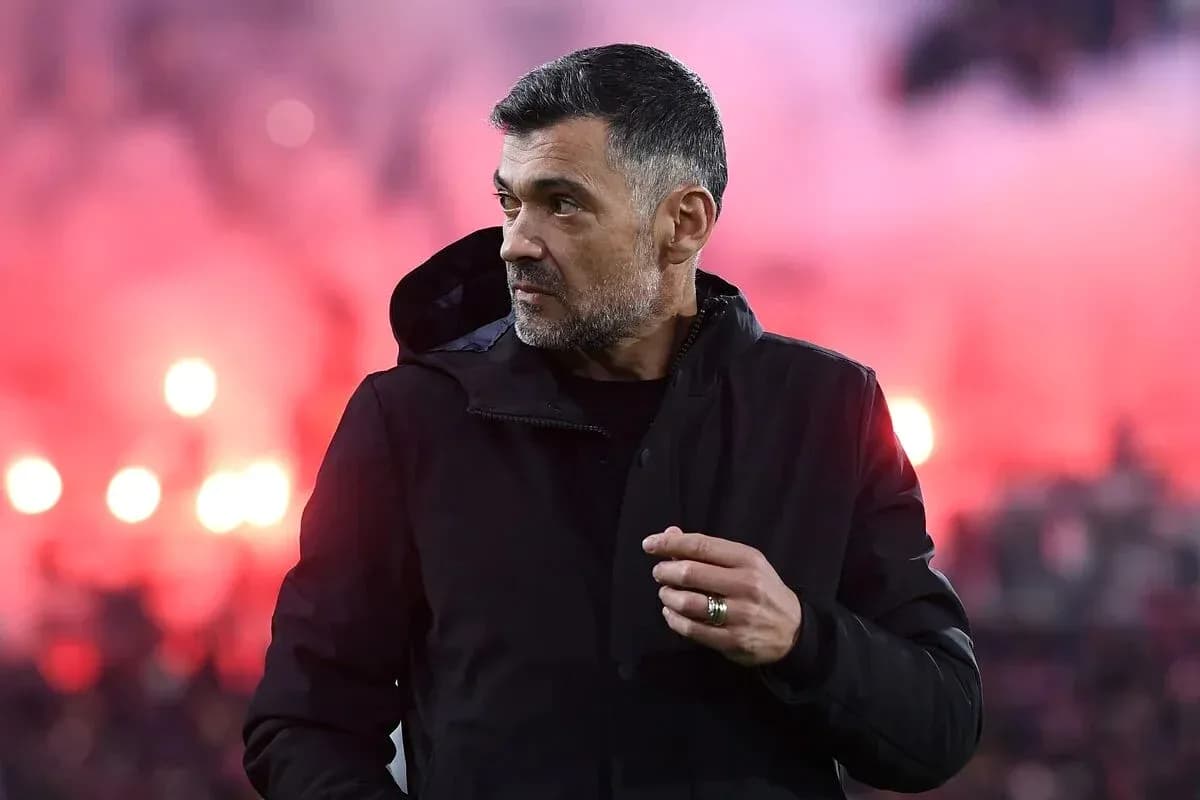
Sergio Conceição Reflects on Milan Tenure and Challenges Ahead for Amorim
Sergio Conceição doesn’t sugar-coat his Milan story. He never has.
Looking back on his turbulent six months at San Siro, the former Rossoneri coach admits it “wouldn’t say it went well,” and yet he refuses to accept the idea that he was the problem. With Rubem Amorim now stepping into one of the most demanding dugouts in Europe, Conceição’s warning is blunt: this job eats people.
“It won’t be easy at all”
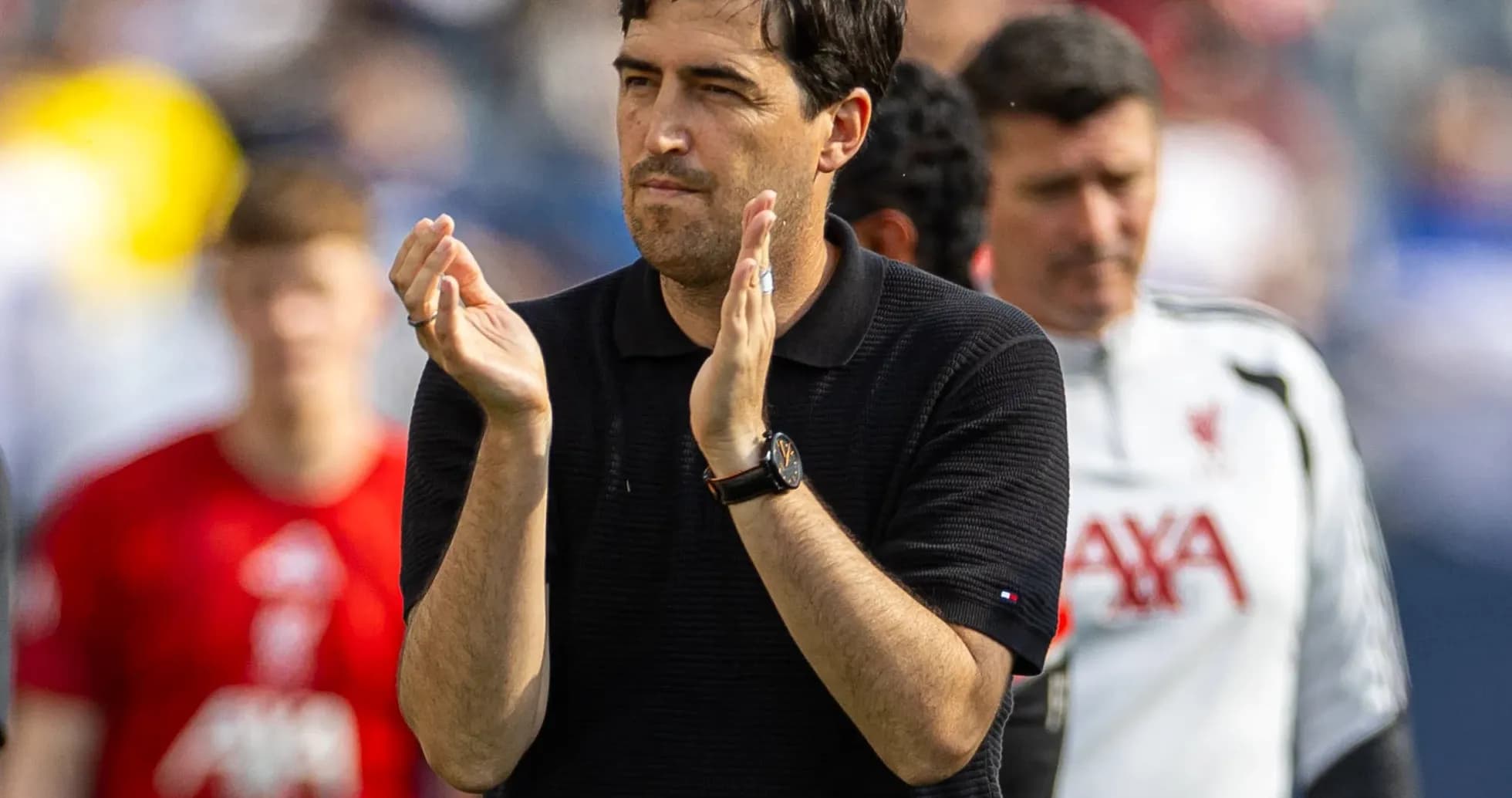
Speaking as a guest analyst on DAZN’s Portuguese Champions League coverage this week, Conceição was asked what awaits his compatriot in Milan. His answer cut straight to the heart of the club’s current reality.
“I send him a big hug and wish him good luck on this new journey, which won't be easy at all, especially because of the atmosphere at the club,” he said. “There's a lot of pressure, people think they should be winning the league and Champions League every year.”
That pressure is not theoretical. It’s written into the recent history of the club’s bench.
Conceição arrived midway through the 2024-25 season and started with a trophy. Within his first two games, Milan had lifted the Supercoppa Italiana. It looked like the beginning of a revival. It wasn’t.
The league form never followed. Milan limped to an eighth-place finish in Serie A, missing out on European competition for 2025-26. For a club that measures itself in nights under the lights, that failure stung. The Supercoppa quickly faded into the background, overshadowed by the table.
Trophies, failures and a harsh verdict
Conceição doesn’t pretend those numbers flatter him. He does, however, insist that they don’t tell the whole story.
“I was in Milan for six months and things went… I wouldn't say well, but we managed to win a Super Cup and got to the final of the Coppa Italia,” he reflected.
That Coppa Italia run ended in defeat to Bologna in Rome, the image of Conceição walking past the trophy at Stadio Olimpico a neat snapshot of his Milan tenure: close, but not close enough.
Amorim has already pointed out that Milan have won just two league titles in the last 20 years. Conceição seized on that context.
“Amorim mentioned recently that Milan have won two league titles in 20 years and that is true. One of their two most recent trophies was mine,” he said, referring to the Supercoppa Italiana.
The line carried a mix of pride and frustration. A reminder that, in a barren period, even a short, uneven spell brought silverware.
“The coach is not the problem”
If Conceição’s own stint was brief, what followed did little to support the theory that a new face on the bench would fix everything.
Milan turned to Massimiliano Allegri for the 2025-26 season, betting on experience, pragmatism and a clean slate without European distractions. For long stretches, it looked like a smart call. The team spent large parts of the campaign in second place.
Then the season unravelled. Milan slid down to fifth, out of the title race and again short of expectations given their lighter schedule.
The response from the club hierarchy was brutal. Allegri was sacked the day after the season ended. Sporting director Igli Tare, technical director Geoffrey Moncada and CEO Giorgio Furlani all followed him out of the door.
For Conceição, that chain of events proves his point.
“It's been confirmed that the coach is not the problem,” he argued. “Obviously, I take my fair share of the blame and I don't want to shy away from my responsibilities, but we've now seen Allegri and the whole management team fall.”
The message is clear: the instability runs deeper than one man on the touchline.
Amorim walks into the storm
So Amorim arrives at San Siro with eyes wide open. He knows the honours board. He knows the expectations. He knows that in a club that has lifted the European Cup seven times, patience is always in short supply.
Conceição’s words are both a warning and a challenge. Milan still behaves like a club that believes it should fight for the Scudetto and the Champions League every season, even as the recent record tells a different story.
If the coach is not the problem, as Conceição insists, then the next question is unavoidable: how long will Milan keep changing the man in the dugout before they change something else?