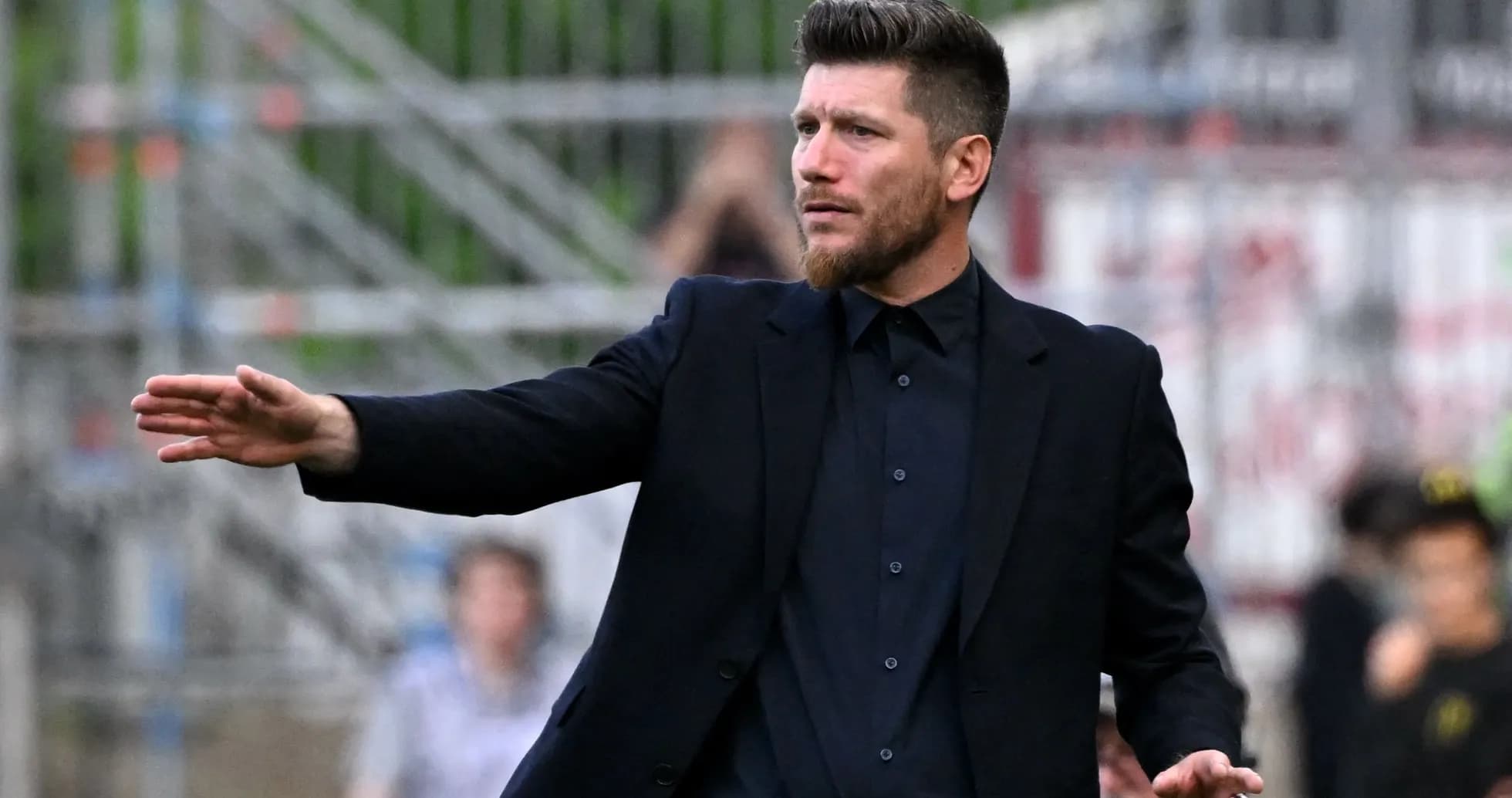
Scotland Appoints Sébastien Pocognoli as New Manager
Scotland look to have settled on the man they want to drag the national team into its next chapter. With Steve Clarke’s reign ending in the disappointment of a group-stage exit at this summer’s World Cup, the Scottish FA have moved quickly – and boldly.
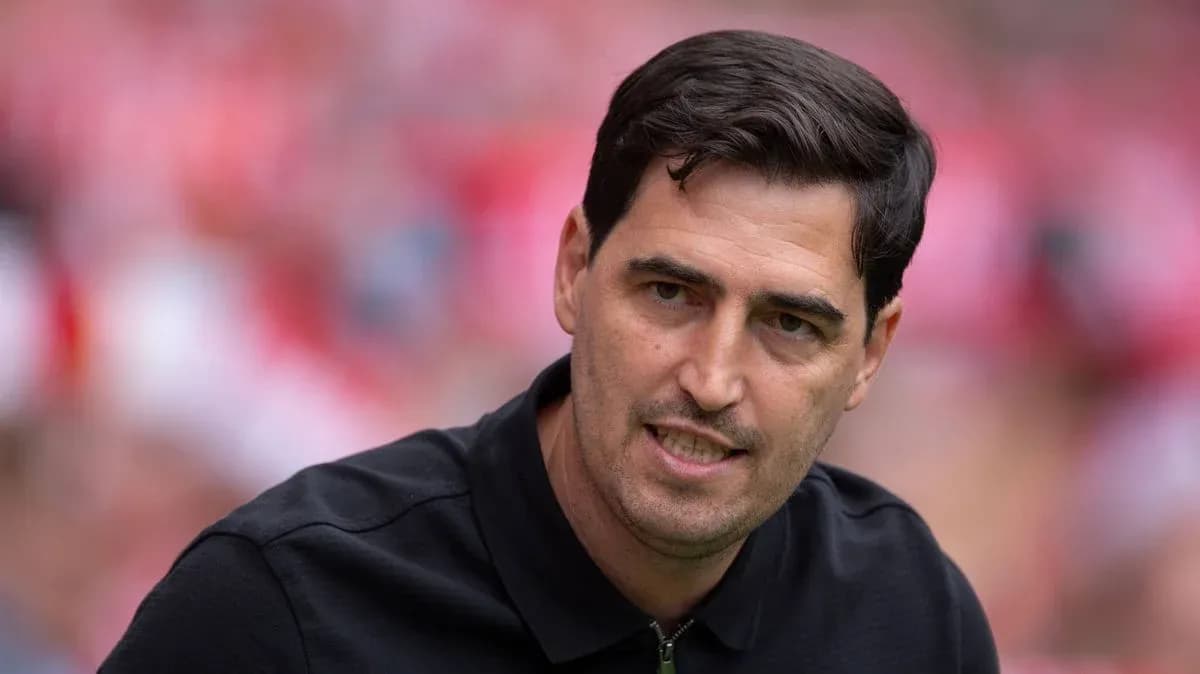
According to Sky Sports, former Premier League defender Sébastien Pocognoli has emerged as the clear frontrunner for the vacant manager’s job, the 39-year-old identified as the SFA’s primary target to jolt the squad back to life.
A new direction for the SFA
This is not a cautious appointment. It’s a change of gear.
The SFA are steering away from the familiar profile of the seasoned British manager and towards a younger coach with a sharp, modern tactical edge. Pocognoli is currently unattached, a free agent at exactly the moment Scotland need a swift decision and a clean start. That availability only strengthens his case.
What has really caught the eye in Glasgow, though, is his coaching record.
Still young in managerial terms, he already carries the kind of achievement that turns heads in boardrooms.
From Brussels to the big time
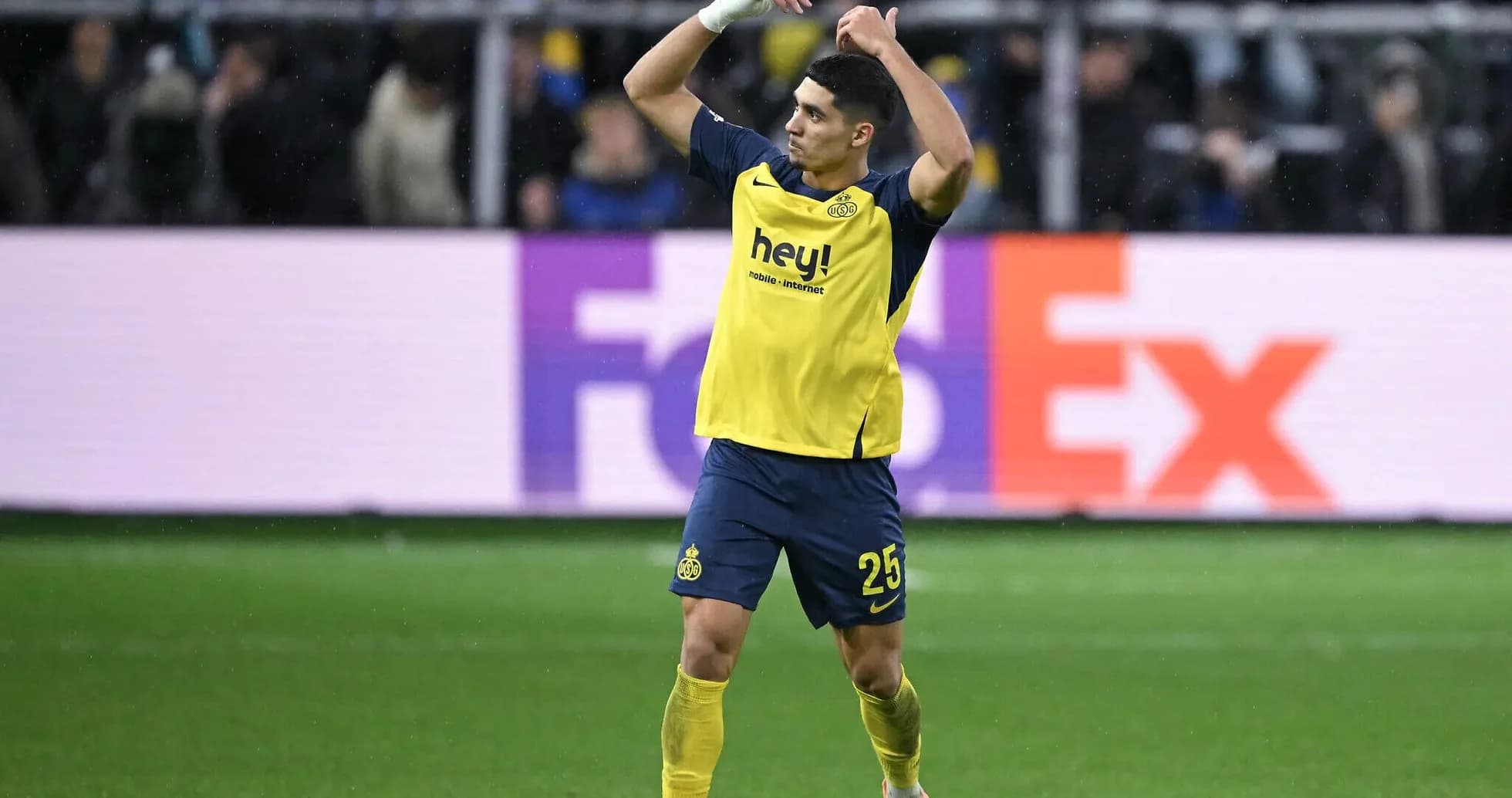
Pocognoli’s reputation exploded in his native Belgium. At Union Saint-Gilloise he engineered one of the great domestic stories of recent years, guiding the club to their first Belgian league title in 90 years last season. Ninety years. That sort of drought-breaking triumph does not go unnoticed.
That run showcased a coach who can organise a side, squeeze consistency from a group and sustain performance under pressure at the top end of a league. It pushed his name firmly into the European conversation.
Monaco move adds elite gloss
The Belgian’s next step underlined that rise. Last October he took charge of Monaco in Ligue 1, walking into one of France’s most prestigious clubs and one of Europe’s most scrutinised environments.
His spell in the principality ended this summer after a seventh-place finish, a campaign that fell short of Monaco’s loftier ambitions but still added weight to his CV. The SFA see that exposure to elite European football – the daily demands, the tactical variety, the management of high-profile players – as a major asset for international work, where preparation windows are short and margins are thin.
British roots, European edge
To followers of the British game, Pocognoli is not an unknown continental theorist parachuted in from nowhere. He is a familiar name.
As a player, the left-back turned out for West Bromwich Albion in the Premier League, feeling first-hand the physical intensity and mental grind of English top-flight football. He also spent a season on loan at Brighton & Hove Albion a decade ago, adding Championship experience and another layer of understanding of the British game’s rhythm and culture.
That blend matters. The SFA are effectively betting on a coach who can bridge two worlds: someone who understands British football’s demands but has built his tactical reputation on the continent.
Across his playing career, Pocognoli racked up more than 300 domestic appearances and earned 13 caps for Belgium. Those numbers speak to a defender who operated at a consistently high level, even if he was never the headline act.
A historic appointment on the horizon
His expected arrival in the Scotland dugout would carry a slice of history with it. At 39, Pocognoli is poised to become Scotland’s first foreign head coach since Berti Vogts held the role between 2002 and 2004.
That alone signals a willingness at Hampden to break with habit and think beyond traditional boundaries in search of progress.
The task ahead
If, as anticipated, the deal is completed, the mandate is clear. The Scottish FA want a reset, not a gentle tweak.
Pocognoli will be charged with restoring competitive momentum after the flat end to the Clarke era, building a side capable of not just reaching tournaments but staying in them long enough to matter. Two qualification cycles loom large: the 2028 European Championship and the 2030 World Cup.
Those campaigns will define whether this bold turn towards a young, tactically modern Belgian was a gamble – or the moment Scotland finally changed their trajectory.