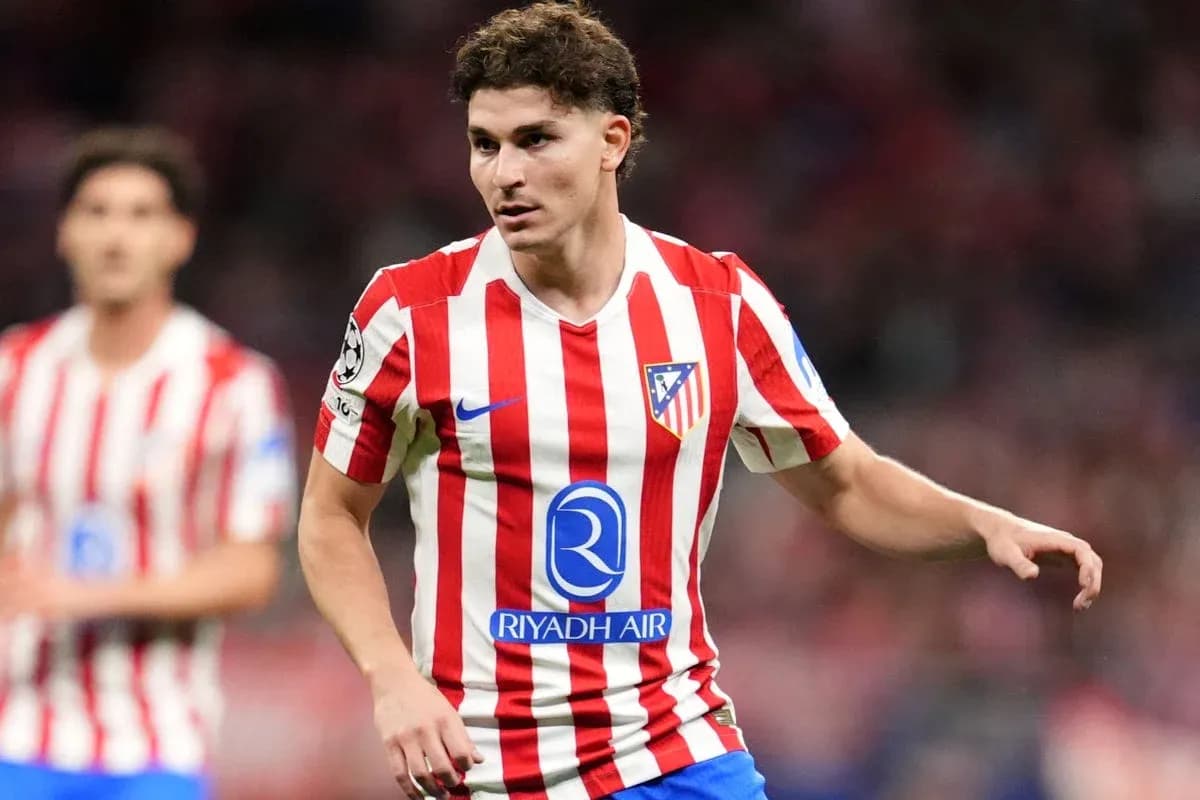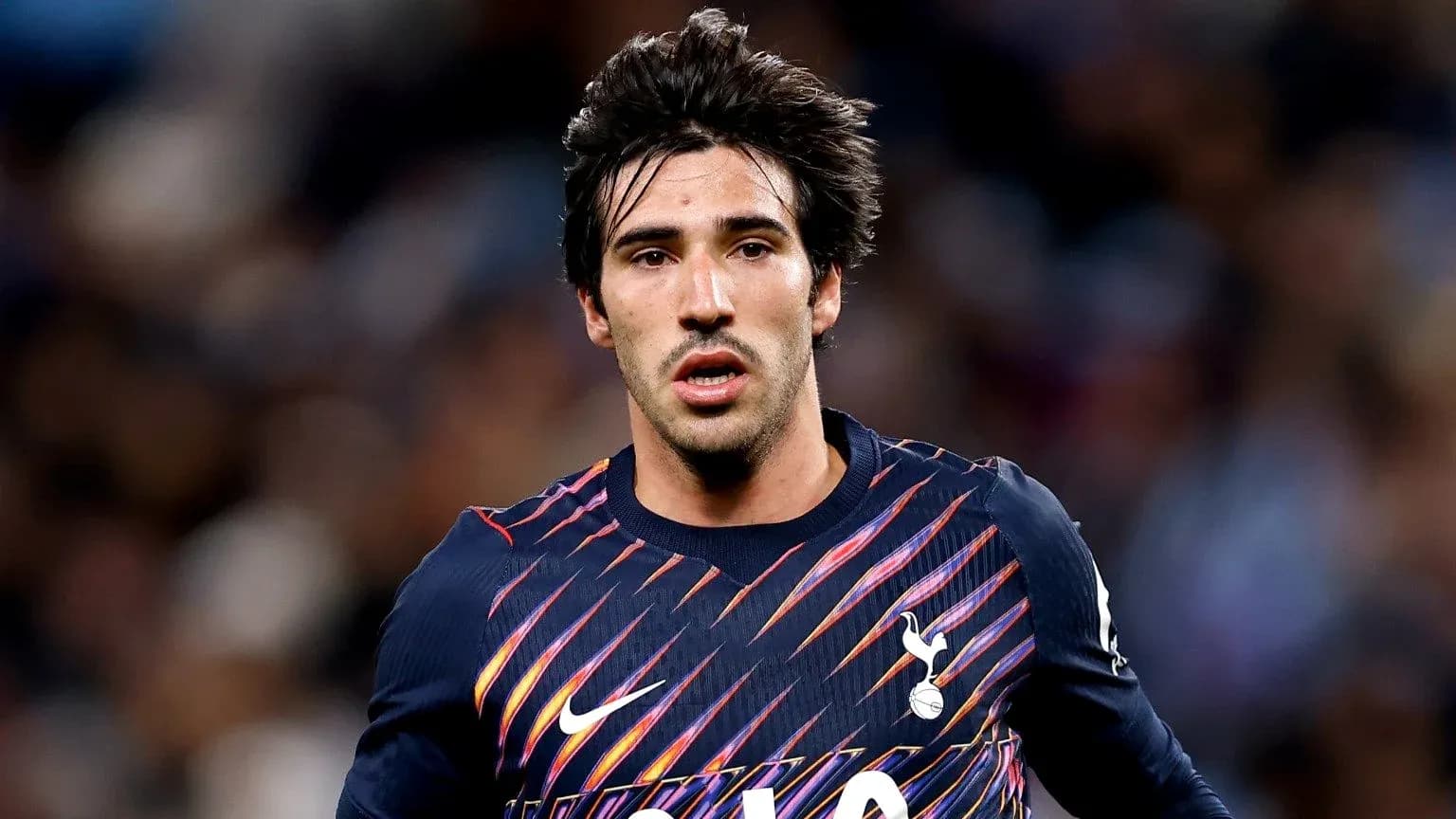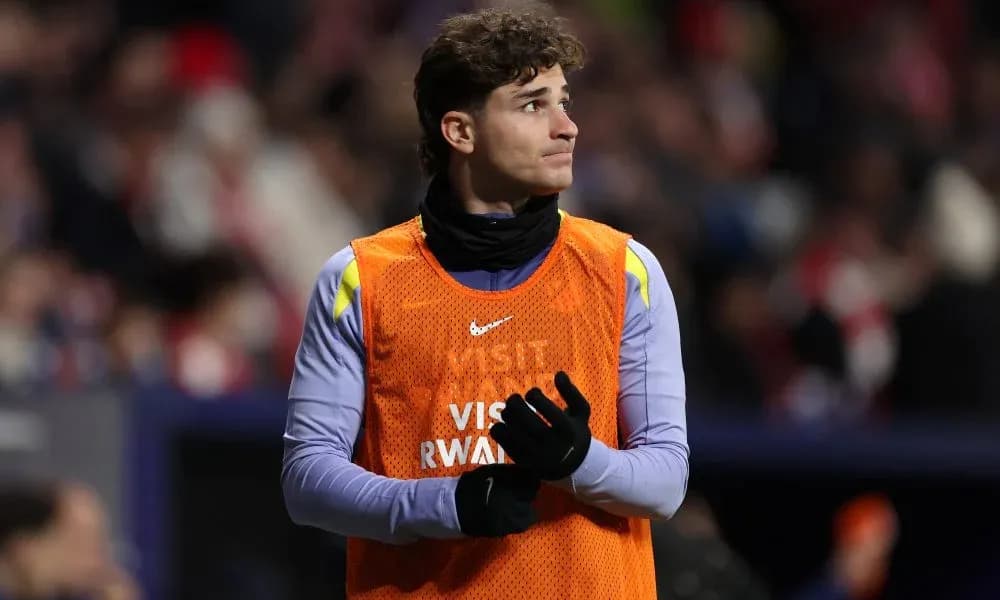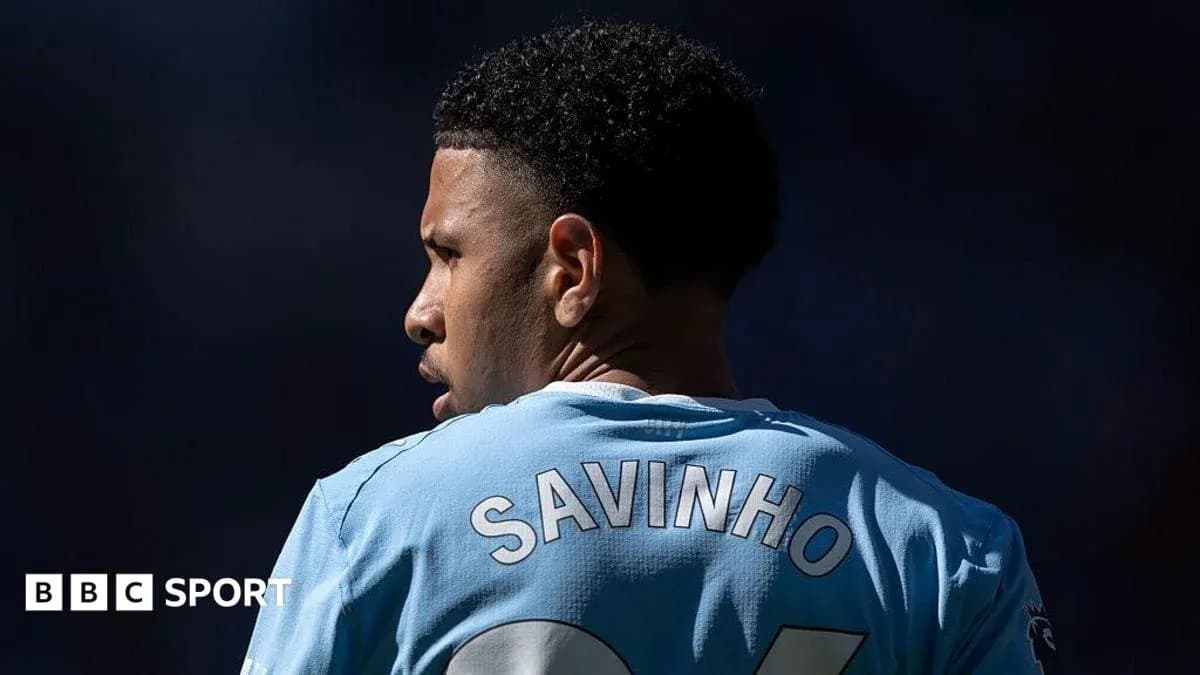
Savinho: A Landmark Transfer for City Football Group
For the City Football Group, Savinho has become more than a shrewd signing. He is a landmark transaction.
Tottenham’s agreement to pay £75m plus £10m in add-ons for the 22-year-old winger delivers a record sale for Manchester City and a striking illustration of how CFG’s global model can turn raw promise into serious profit. If every bonus is triggered, the group will have cleared almost £70m on a player who, not so long ago, was a teenager shuttling between loans and questions about his true value.
From Troyes ghost to Girona star
Savinho’s journey through CFG has been unconventional, even by modern multi-club standards.
He arrived in Europe in 2022 as a record signing for Troyes from Atletico Mineiro, a headline arrival for the French club on paper only. He never played a single game for them. Instead, at 18, he was immediately sent out to PSV for the 2022-23 season, a first taste of European football before a move that would define his reputation.
Girona took him on loan for 2023-24 and everything clicked. In Spain, he finally had a stage and a system that suited him. Savinho featured in 37 league matches, scored nine goals and laid on eight assists as Girona surged into the Champions League for the first time in their history. By the end of that season, he was no longer just a CFG project. He was one of La Liga’s breakout names, voted into the division’s team of the year.
That form forced City’s hand. In 2024, they bought him outright from Troyes for £30.8m, a deal that immediately raised eyebrows. Was that fee truly the market price, or an internal valuation shaped by CFG’s own network?
Manchester City: modest returns, massive value
On the pitch in England, Savinho did not dominate. He scored only twice across two Premier League seasons, though he supplied 12 assists and, in his first campaign under Pep Guardiola, delivered 16 goal contributions in all competitions. His eight Premier League assists that year were the highest at the club.
You could argue he never became a defining figure at the Etihad. City will argue something else: an 18-year-old signed from South America, developed through their network, then sold four years later for £75m is the very definition of sporting and financial success.
Inside CFG, that is exactly how the story is being told.
"It's a success story for the group," said Brian Marwood, CFG's managing director of global football, speaking to BBC Sport. For him, Manchester City remain the pinnacle of the operation, the end point of the pathway. Yet Savinho has become the example of another route: a player who reaches City, contributes, then leaves for a “considerable amount of money” having boosted both the squad and the balance sheet.
Girona’s view: a star they wanted to keep
Girona, unsurprisingly, did not want to let him go.
"Our intention from the moment that we reached the Champions League was to try to get him to stay for another year," said Quique Carcel, the club’s director of football. They had built a season around his energy and incision. Another year of him on the flank, this time in Europe’s elite competition, was an enticing prospect.
City weighed it up. Carcel explained how Pep Guardiola and sporting director Txiki Begiristain considered both options: another year in Catalonia, or a full step into City’s first-team squad. Once interest from Guardiola and Begiristain firmed up, Savinho’s mind was made up. The winger wanted to test himself at the top of CFG’s pyramid.
He did that. Now he jumps to another: Tottenham, and a different kind of pressure.
Spurs’ gamble, CFG’s jackpot
The size of the fee has stunned sections of the market. There will be those who insist Tottenham have overpaid, that Savinho’s Premier League output so far does not justify a price that places him among the most expensive signings in their history.
CFG will see it very differently. This is the modern game’s currency: player trading as a central pillar of strategy. Twelve clubs sit within their network, and Savinho’s sale is a case study in how a multi-club structure can turn potential into capital.
From Troyes to PSV, to Girona, to City, and now to Spurs. Each step added value. Each step also underlined how CFG’s reach can give a young player minutes, exposure and, eventually, a market.
Whether Tottenham have backed the right horse will be decided on the pitch. For CFG, the verdict on the deal is already in.
A conveyor belt, not a one-off
Savinho is not an isolated story. City, as a standalone club, have turned youth development and smart exits into a lucrative sideline.
Over the past five years, they have recouped more than £250m from selling young players. Morgan Rogers, Douglas Luiz, Cole Palmer, Liam Delap, Oscar Bobb: all part of a growing list of talents who came through City’s system and were then moved on, often to direct Premier League rivals.
Rogers left City for Middlesbrough in February 2024 for an initial £8m. Last month, Chelsea paid £117m for him. Palmer departed for Stamford Bridge in 2023 for £40m and would now command a similar figure again. Those two alone show that City do not always time their exits perfectly. Sometimes they cash in too early.
Marwood is open about the difficulty. Balancing recruitment for pure sporting needs with signings who may become financial assets is a constant challenge. Talent identification at 16, 17, 18 is never an exact science. Some thrive, some stall. Some, like Oleksandr Zinchenko, Taty Castellanos and Jack Harrison, carve out strong careers after leaving City, validating the early faith shown in them.
That unpredictability is, as Marwood puts it, “the fascination of this business”.
The next wave
Inside CFG, the question after Savinho is simple: who’s next?
Ryan McAidoo, an 18-year-old who has already made his senior debut for Manchester City, is one of the names carrying expectation. Vitor Reiss, who spent last season on loan at Girona from City, is another tipped to make the grade.
The net stretches even wider. Japan’s Shin Miidera, a 16-year-old attacker at Yokohama F. Marinos, sits firmly on CFG’s radar. So does American midfielder Cavan Sullivan, also 16, currently with MLS side Philadelphia Union and due to join City when he turns 18.
This is the hub Marwood talks about: a rolling stock of teenagers across continents, linked by one ownership group and one overarching plan. The aim is clear – create pathways, find the right loans, use the network to accelerate development, then decide: keep or sell.
"In an ideal world you would love for them to stay with you from the beginning right through to the very end - but the reality is it's probably not going to happen," Marwood admitted. Careers twist, squads evolve, offers arrive. The model demands that some will be cashed in.
So the cycle continues. Savinho moves on, the profit is banked, and attention snaps back to the next generation. CFG’s success will be judged twice: in trophies and in transfer columns.
Tottenham now own the latest product of that system. The price is set, the debate has started. The only thing left is the part that really matters – what Savinho does when the whistle blows in north London.