Ruben Dias: The Bridge Between Guardiola and Maresca at Man City
The Pep Guardiola era at Man City ended with a jolt, not a fade. Rodri gone. Bernardo Silva gone. John Stones gone. A decade of control dismantled in a single summer and rebuilt at record cost.
Into that upheaval walks Enzo Maresca, backed by a Premier League-record £458 million outlay and tasked with reshaping a team that had already conquered everything. Enzo Fernandez, Elliot Anderson, Ayyoub Bouaddi – new names, new ideas, same brutal expectations at the Etihad Stadium.
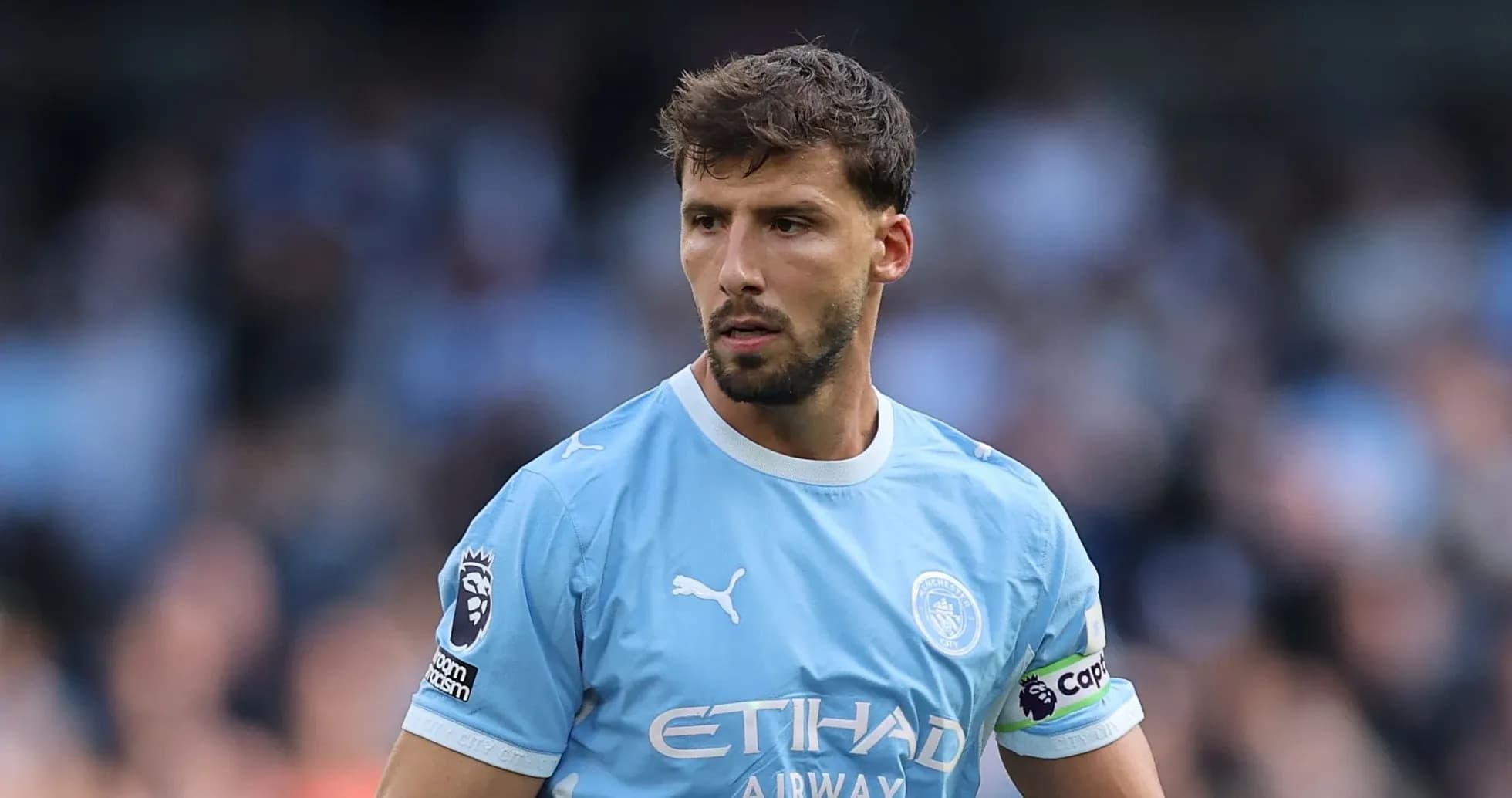
In the middle of it all stands Ruben Dias, suddenly the old guard.
From lieutenant to standard-bearer
At 29, with more than 250 appearances and a stack of medals that includes four Premier League titles and a Champions League, Dias now carries a different weight. The dressing room that once belonged to serial winners has turned over at speed. The faces have changed; the demands have not.
His response is to strip it all back.
"In terms of the role I have, it goes down to trying to be the best version of yourself, and in terms of that, nothing has changed," he told BBC Sport. The line is simple, but it cuts through the noise. The captaincy by example, not by slogan.
He knows exactly what has been lost.
"So many people have left and so many winners have left, and now new people have joined with a lot of ambition and people that are desperate to win and that is also what makes the club keep on going."
This is where his role sharpens. Dias is now the bridge between the Treble-winning past and the Maresca project, the living reminder of what City have been and the guide for what they still expect to be.
Maresca’s City, familiar yet new
The biggest risk of the summer sat not in the transfer market but in the dugout. Replacing Guardiola is football’s ultimate tightrope. Yet Maresca has landed without drama, his previous spell as an assistant at the club smoothing what could easily have been a brutal transition.
The results speak loudly: four wins from four to start the campaign, across the Premier League and Champions League. No stutter, no early crisis, no identity confusion.
Dias is convinced the fit is right.
"There's obviously many things from training session to some details about the way we press, details about the way we defend and that make all of these Enzo's idea. I feel like everything is making a lot of sense. Everyone is buying into the idea. Everyone's excited about it and there is a lot of joy in training, which is massively important."
Joy. Not a word often associated with a squad under this much pressure, this quickly after a seismic reset. Yet it matters. Maresca has not tried to be Guardiola’s copy; he has taken the core principles and drawn his own lines over them. Dias, who has seen both from the inside, can feel that distinction.
The circle of life in a superclub
The emotional cost of all this churn is easy to ignore from the outside. Inside, it hits differently. Dias has watched close friends and long-time teammates walk away from a shared era.
"I am 29, I am going to be 30 next year but I am excited about all of this and all the things with the club, the new manager, new players, the new challenge, guys that I was so close with leaving," he said.
Then he framed it in the bluntest terms.
"It's the circle of life, you can call it and it is just how things are I am appreciative of all of it - I'm appreciative of the memories I have with all the ones that left and I'm excited with the memory about the memories I'm going to make with the ones that have just arrived."
This is what modern dominance looks like: constant renewal, constant goodbyes. Legends don’t retire into the sunset here; they are replaced before the standards dip. Dias has chosen to stand in the middle of that storm.
He has just extended his contract until 2029. That is not the decision of a player looking for a soft landing elsewhere. It is a defender doubling down on the hardest possible challenge: not just to win, but to keep winning through an entire cycle of change.
"I am still very ambitious. I took the decision of being at this level because I feel like I have won so much but maybe the thing that would be my biggest reward would be to be here so many years playing at this level and and having the consistency of being ambitious for so long."
The trophies matter. The legacy, for Dias, seems to be something else: proving that City’s culture can outlast any manager, any superstar, any era.
The Guardiola decade is over. The Maresca years are just beginning. The real question now is whether Ruben Dias can anchor both chapters in the same relentless story of success.