Ruben Amorim Defends Milan's Style and Backs Cissé and Pulisic Before Lazio Clash
Ruben Amorim walked into the press room with Milan unbeaten, under fire, and unfazed.
Two wins, one draw, and a week of noise after a cagey stalemate with Juventus. The numbers say solid start; the debate around San Siro says something else. Too defensive. Too cautious. Too un-Milan.
Amorim didn’t blink.
“Criticism is normal. I already experienced that in my former club [Manchester United]. More than that, it's impossible,” he said on the eve of Milan’s visit to Lazio. “What I promise is that the team is always in first place.”
A flat Juve draw and a coach under the microscope
The 0-0 with Juventus has hung in the air all week. Not because Milan were overrun, but because they never really cut loose.
“The last game wasn't just static; I think we lacked energy,” Amorim admitted. “We controlled the ball quite well, especially in the first half, but then we lacked aggression in the final third and inside the box.”
He went back over the tape with his players and didn’t like what he saw when Milan had the ball in bad areas.
“I showed the players that a lot of opportunities for Juve came from us losing the ball, sometimes even without pressure. Just a sloppy pass. Those details can change the game and the momentum. We worked on that, and we need to do better.”
The message is clear: the structure is there, the intensity is not. Not yet.
Gonçalo Ramos felt the backlash more than most after an anonymous night in Turin. Amorim pushed back on that, too.
“I think we need to improve as a team. Ramos did so well against Torino and Venezia that, in a game where he doesn't have the same performance, you notice it,” he said. “It's more about the understanding of the game from all the players in the team.”
“We always have an intention”
If the criticism is that Milan are too cautious, Amorim is adamant that what people are seeing is not randomness or fear, but a work in progress.
“If you look at our team, we always have an intention; you can't see anything that is random,” he argued. “Sometimes we want certain patterns that are hard for the players. I understand the pressure. I understand that when you see a guy coming from abroad to say how to play your football, it is really hard, and in the first moment you are just waiting to tell me that in my face.”
He knows he’s the outsider trying to reshape a club that treats its identity like a sacred object.
“I want to dominate games, but then Spalletti, Fabregas, all these guys, they are really good and will push us,” he continued. “We had the ball more than Juventus. Sometimes even when I have the ball, the other guy is better than me, but that doesn't change the intention you have.”
Then came the line that reveals how he sees the current storm: results first, aesthetics on the way.
“What's really important is to be good in the last set pieces of the game because if we win, some guys will have to keep that question in their pocket for one more week. The only thing I promise is the club will always be in first place. My intention is always to be better than the opponent in a certain way. I'll try. But then you have the opponents; Spalletti was better than me, and that doesn't change.”
Cissé: already fearless, still growing
While the debate rages about style, one young player has cut straight through it with goals.
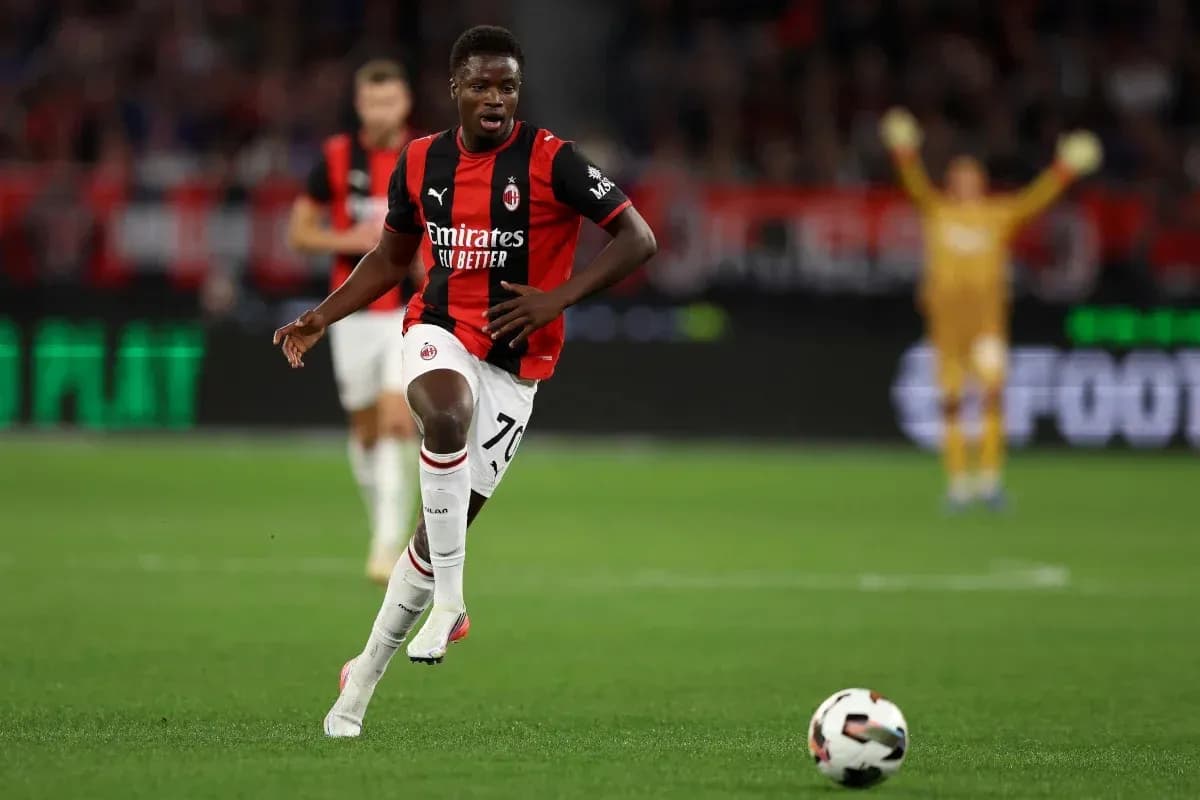
Alphadjo Cissé has struck twice in his first three Serie A games and is widely expected in Italy to be named in the next Azzurri squad. Amorim has no doubts about the 19-year-old’s mentality.
“If you put Cissé on the pitch, he's going to play. Doesn't matter if he's with the national team, with Bastoni or with these guys,” he said. “He's going to play, free. For that, he's ready.”
Ready, but not finished.
“He needs time to grow up. I saw a bit of a difference when he plays away and when he plays at San Siro. San Siro is tough, so he needs to adjust to all these small things. Let's give time to Cissé.”
The idea of the teenager walking into the Italy camp doesn’t scare his coach in the slightest.
“If you put Cissé in training with the national team and playing with the national team, he won't be shy, and he's going to have the ball. So he's ready, but he needs time to be the player he can be. He has a lot to learn.”
The message to Luciano Spalletti and to Milan fans is the same: unleash him, but don’t rush the expectations.
Pulisic “upset” but finally set for minutes
On the other side of the age and experience spectrum, Christian Pulisic is still waiting. The USMNT star has yet to play a minute this season, a situation that has not gone down well with the American.
Amorim confirmed the forward will finally see the pitch in 2026-27 against Lazio, and he did not hide the player’s frustration.
Pulisic is “upset” about his lack of involvement so far, the coach admitted, but the plan is to reintegrate him now as the calendar starts to thicken. A fit, angry Pulisic is not the worst weapon to have coming off the bench in Rome.
Como’s Champions League surge and a clear line in the sand
As Milan wrestle with identity and expectations, another Italian story has captured Europe’s attention. Como, coached by Cesc Fabregas, were the only Serie A side to win in the opening round of the Champions League, and did so by outplaying RB Leipzig.
Are they the model for what Milan want to become? Amorim shut that narrative down quickly.
“I think we are different managers, with different backgrounds and work for different clubs,” he said. “Mister Cardinale has never told me that [Como] is the inspiration, so you need to tell me, as I didn't know.”
He even offered a blunt solution for anyone who wants Milan to mirror Fabregas’ side.
“If you want a team that plays like Como, you need to buy Como's manager to play the same way. I'm completely different; I have my style of play, my identity.”
Amorim praised the job being done on Lake Como, but his gaze is fixed firmly on Milanello.
“Coaching Milan is really hard; coaching Como and doing what they are doing in the Champions League is so hard, and they are doing so well, but I'm not focusing on how Como are playing; I focus on how Milan must play to win games.”
Unbeaten, criticised, defiant, and walking into a hostile Olimpico. Amorim has drawn his lines. Now Lazio, and the coming weeks, will show whether Milan can match his intention with the kind of football that silences the questions instead of just postponing them.