Rodri's Impact at Barcelona: A New Midfield Leader
Rodri did not ease his way into life at Barcelona. He stormed through the door.
Barely a week after his unveiling, with only a handful of training sessions behind him, the former Manchester City midfielder was thrown into a high‑speed contest against Athletic Bilbao. As the Spanish daily Sport put it, he “jumped onto a train travelling at full speed”. He didn’t just stay on his feet. He grabbed the controls.
The noise told its own story. When Rodri stepped off the bench in the 62nd minute, the stadium rose with the kind of roar usually reserved for superstar forwards, not holding midfielders. The anticipation was different: this was about control, about identity, about a team that has been searching for a midfield reference point since the greats departed.
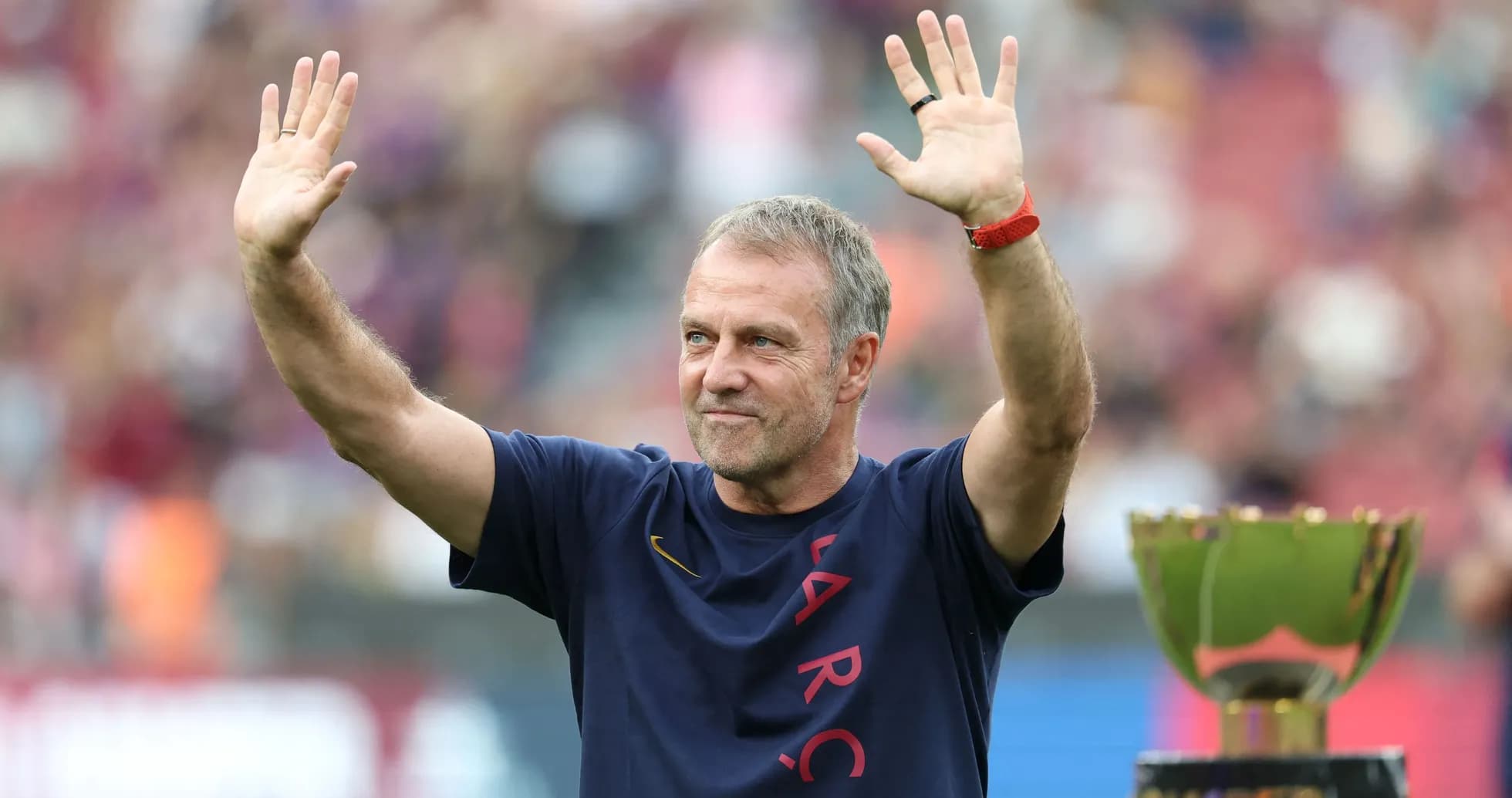
His first touch set the tone. Not a simple sideways pass, not a cautious lay-off. He attacked an aerial ball, leaping high in the centre of the pitch to cut out a Bilbao pass. One action, and the crowd saw exactly what Hansi Flick meant when he called him a “natural leader”.
From that moment, Rodri became the axis around which Barcelona turned.
A new spine in the middle
Those opening minutes with him on the pitch revealed the profile Barça have been missing: a classic, dominant midfielder with the frame to impose himself and the calm to dictate tempo. His presence immediately seeped into those around him, especially the rest of the midfield.
Flick wasted no time reshaping his structure to lean on the newcomer. Rodri anchored the side as the lone pivot, with Pedri, Fermin Lopez and Dani Olmo ahead of him. Barcelona abandoned the usual double pivot and committed to a single reference point in front of the defence.
From there, they built in a clear 4-3-3. Rodri acted as the first and often only receiver between the lines of pressure, the player trusted to break through Athletic’s block and connect defence to attack. The effect was immediate: more calm on the ball, more clarity in positioning, more control.
Pedri’s role told the story best. With Rodri handling the base of the build-up, Pedri could naturally push higher, closer to the pockets where he does the most damage. Fermin Lopez and Olmo rotated intelligently, swapping spaces and angles, knowing there was a safety net behind them.
Out wide, Adama and Lamine Yamal stretched the pitch, forcing Bilbao’s back line to defend the full width and giving Barcelona the balance they have often lacked when the game speeds up.
The plan worked. The second goal came from exactly the kind of move Flick wants to see.
The move that summed it up
Barcelona circulated the ball with patience, then suddenly injected speed as soon as it reached Adama on the flank. He drove and delivered a cross that should have been routine for Aymeric Laporte. It wasn’t. The defender’s mistake left the ball at the feet of Fermin Lopez, who reacted instantly to bury his third goal of the season.
A goal born from structure, then punished by instinct.
Barcelona might have scored more. They didn’t because Unai Simon produced the kind of performance that wins man-of-the-match awards on difficult away nights. The goalkeeper kept the scoreline respectable, yet he could not disguise the reality: this is an attacking side that overwhelms opponents, even without a classic No 9.
Goals without a No 9
Two of Barça’s opening league matches this season already rank among their top five for expected goals under Flick. That is not a coincidence. It is a reflection of a team generating volume and quality of chances at a level they have rarely reached since the German took charge.
They have done it without a recognised out-and-out striker in these early rounds. No traditional penalty-box finisher, no fixed reference between the centre-backs. Still, the chances keep coming.
Rodri’s arrival strengthens an idea that has been brewing under Flick: goals should not belong to one man. They should be shared. Raphinha has exploded into a more central attacking role and already has three to his name, but the system is built so that any runner, any late arrival, can finish moves.
Rodri’s impact is not limited to the middle third either. His understanding with Pau Cubarsi, honed with the Spain national team, was visible straight away against Athletic Bilbao. They read each other’s positions, shared responsibility in the first phase, and helped Barcelona control both penalty areas.
The numbers support that impression. Barça have opened the season with back-to-back clean sheets. Flick has been relentless in his message: this team must control games more, suffer less, and keep the ball with purpose rather than for show.
After the win, he was clear. “Everyone is happy that Rodri is playing with us. He is the perfect player for us and for our style,” the coach said. It did not sound like early flattery. It sounded like relief.
Because with Rodri on the pitch, Barcelona no longer need Pedri constantly dropping deep to start every move. They can let their gifted playmaker live higher up, closer to the final pass, while the new No 6 stretches possessions, calms storms and keeps the ball moving.
One game into his Barça career, Rodri already looks less like a new signing and more like the piece they have been missing. The question now is not whether he fits. It is how far this reshaped midfield can carry Barcelona this season.