Roberto De Zerbi Faces Tottenham Hotspur's Old Problems
Roberto De Zerbi may end up spending close to £400m on this Tottenham Hotspur rebuild. On the first day of the new Premier League season, it bought him a brutal reminder that money cannot buy a backbone.
Back in March, when he arrived with Spurs staring at the trapdoor, De Zerbi admitted he was more psychologist than coach. Seven games to keep them up. He managed it, just, with a final‑day escape against Everton. The reward was trust, time and a transfer budget most managers only dream about.
This, though, was the nightmare they thought they had left behind.
A New Era Starts With Old Failings
The Italian has been backed heavily to ensure last season’s trauma is not repeated. New faces, new ideas, a new start. On paper, at least.
On grass, in the west London sunshine, it was the same old Spurs.
Brentford tore into them. At the first hint of pressure, Spurs folded. The manner of the collapse – the lack of resistance, the absence of basic organisation – was a grim throwback to the team that has finished 17th in back‑to‑back seasons.
De Zerbi tried to explain it away with talk of conditioning. Players returning late from the World Cup. Big‑money signings still finding their feet. But no level of fitness explains losing duels all over the pitch, switching off in key moments and shrinking as soon as the game turned against them.
“Bad game. We lost and suffered the difference in the duels. It was the key of this game. We didn't fight in the right way,” he told BBC Sport’s Match of the Day. “Our physical condition was not in the right level for all players… But we have to analyse this game better because we can't play this way in this type of game.”
He was right on one thing: this was not about tired legs. It was about soft heads.
From Roar to Resentment in 49 Minutes
The day began with noise and belief. In one corner of The Gtech Community Stadium, the travelling Spurs fans roared in their new era, greeting their summer signings like saviours.
By the 49th minute, many of those same supporters were already heading for the exits.
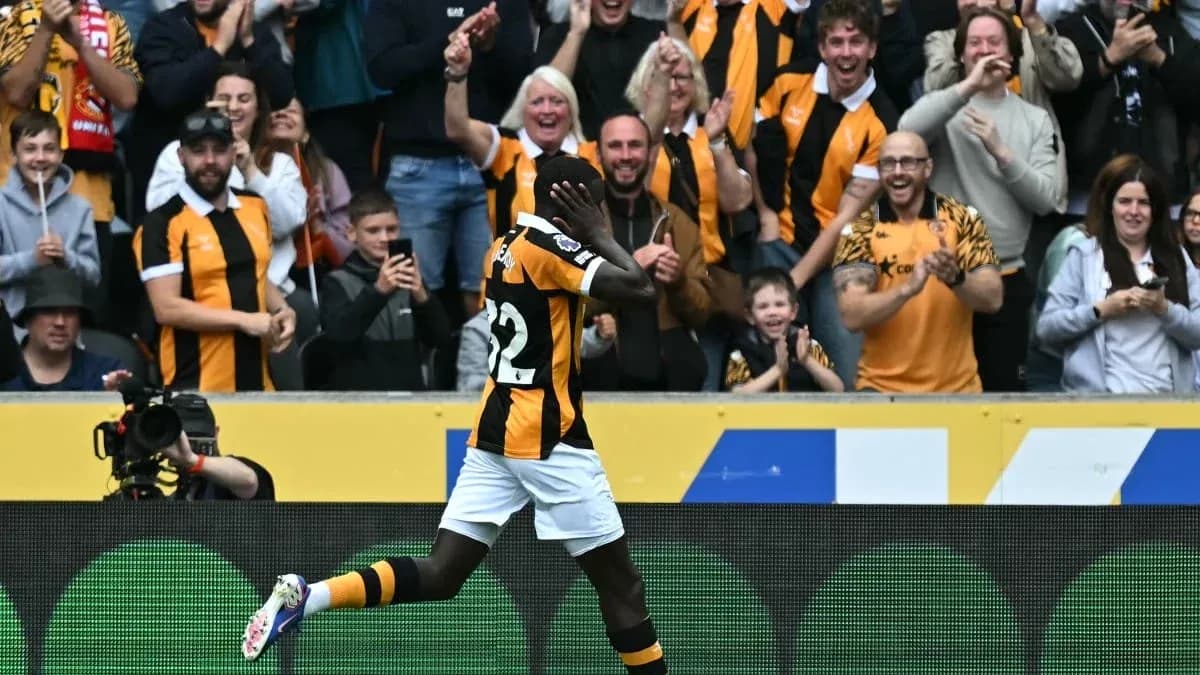
Michael Kayode’s strike to make it 3-0 early in the second half emptied the away end in swathes. Those who stayed were left to watch their players applaud rows of empty blue seats. The optimism that had greeted kick-off had long since evaporated.
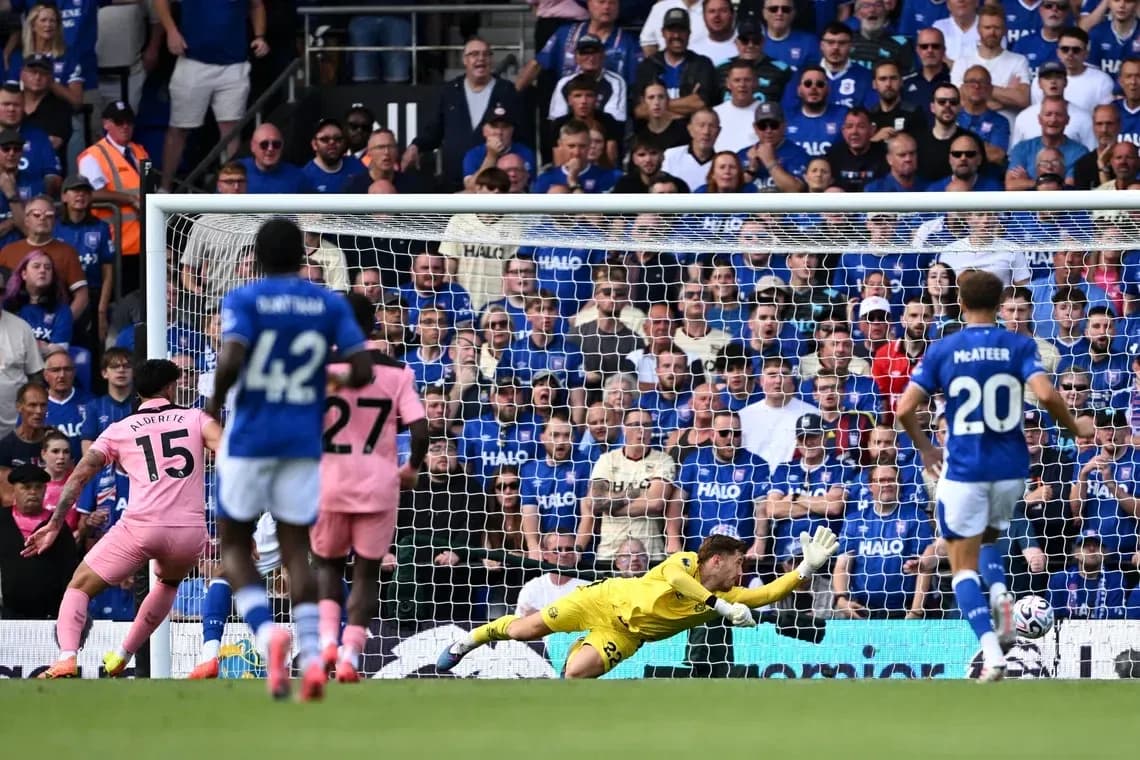
It could have been worse. Igor Thiago, usually so reliable from the spot, smacked a penalty against the post. That miss spared Spurs further embarrassment on the scoreboard, but not in the performance.
Even Jon Bon Jovi, an intrigued spectator in the stands, was handed enough misery to soundtrack a career’s worth of sad ballads. Spurs started badly and then unravelled.
Big Fees, Small Impact
De Zerbi threw four of his new recruits straight in: Andrew Robertson, Marcos Senesi, Jan Paul van Hecke and Sandro Tonali. All of them endured a torrid afternoon. None of them could claim to have imposed themselves. To be fair, neither could any of their team‑mates.
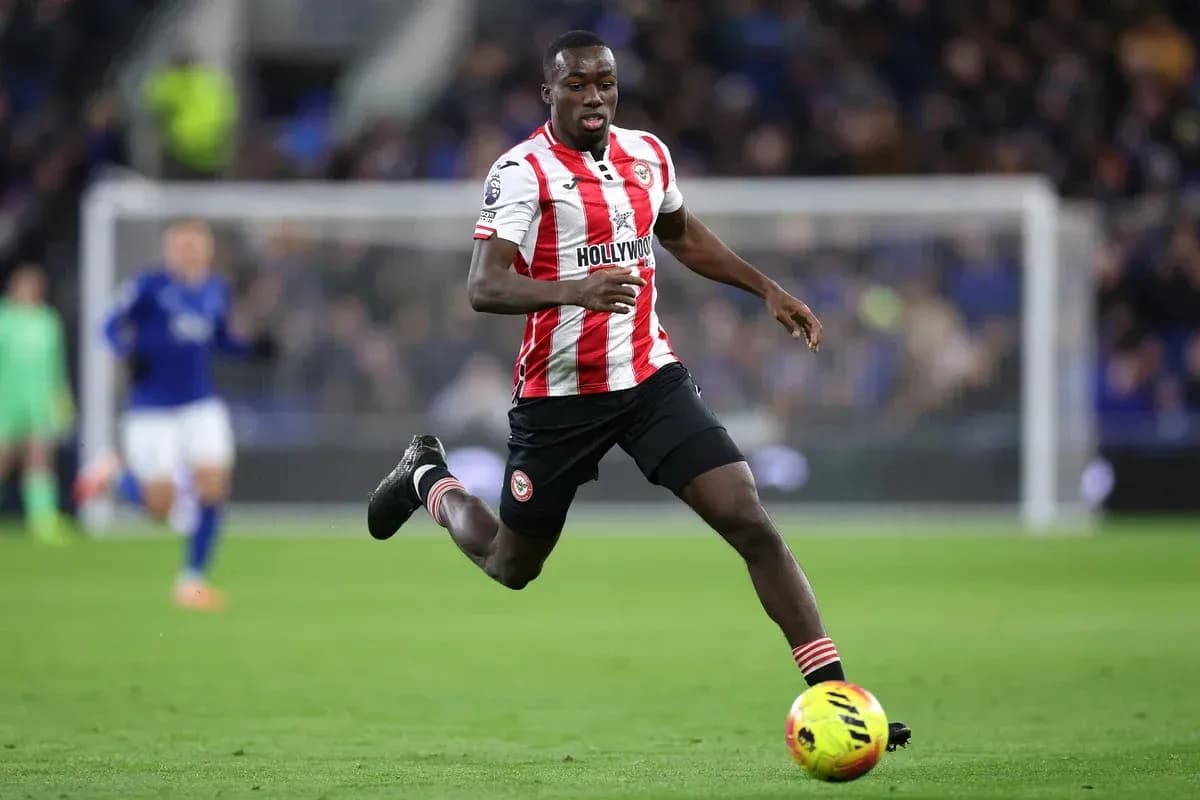
Tonali, the £100m marquee arrival from Newcastle United, suffered the most glaring contrast. Across from him, Brentford’s record signing Mamadou Sangare dominated the midfield and the game. Sangare was everywhere – snapping into challenges, driving his team forward, dictating the tempo.
Tonali’s most notable contribution was a wild first‑half shot that sailed high into the sky, greeted by gleeful chants from Brentford fans questioning Spurs’ spending. It was that kind of day.
Matheus Fernades, an £85m buy from West Ham United, came off the bench. Savinho and possibly Omar Marmoush will add more options in the weeks ahead. Yet the glaring issue was not talent. It was temperament.
Brentford Smell Blood
From the first whistle, Spurs’ “brave new world” looked painfully familiar. They panicked under pressure. Brentford sensed it instantly.
The hosts pressed high, hunted in packs and went after every 50-50 as if it were the last of the season. Spurs shrank. Brentford grew.
They should have been in front before Keane Lewis-Potter finally broke through after 12 minutes. When Vitaly Janelt swept in the second before half-time, the contest already felt done. The third, from Kayode just after the restart, only confirmed what everyone inside the ground already knew.
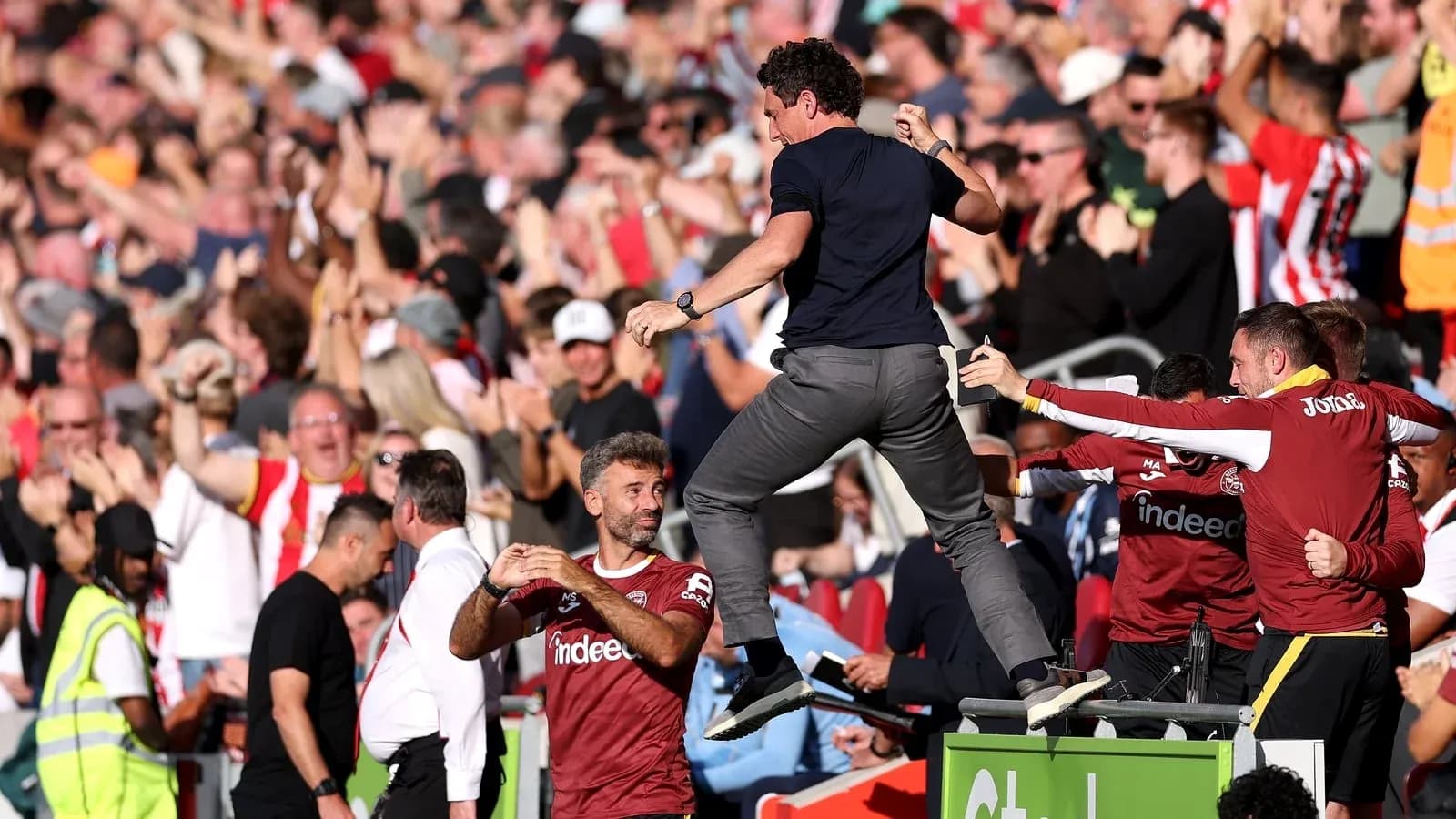
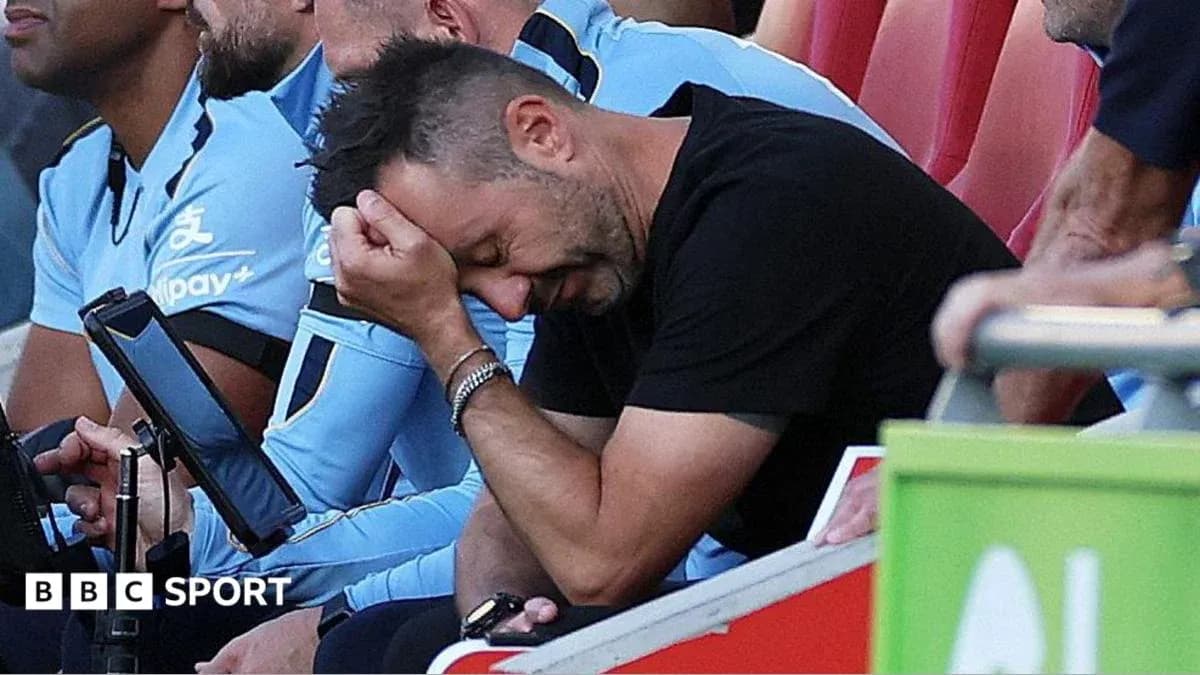
On the touchline, De Zerbi raged and gestured, trying to inject life into a side that looked beaten long before the final whistle. Heads dropped. Challenges were lost. Panic, not belief, became their defining feature.
Conor Gallagher and Lucas Bergvall did not emerge for the second half, sacrificed in the search for a reaction. They could reasonably argue they had plenty of company in underperforming.
Old Ghosts, New Project
De Zerbi knows he has to work on more than tactics. He has to get inside this squad’s collective psyche and rip out the fragility that has haunted it through recent seasons.
This is not a one‑off bad day. It feels like the continuation of a storyline Spurs cannot escape: defeat, despair, and a fanbase waiting for the next collapse.
The cloud has lingered across multiple regimes. Ange Postecoglou at least delivered a Europa League title before falling away domestically. Thomas Frank and, fleetingly, Igor Tudor followed, without solving the underlying rot. Now it is De Zerbi’s turn to confront the same demons.
“I am surprised for the result and performance,” he admitted. “We are starting a new project and we couldn't find the principle. Marcos Senesi, Jan Paul van Hecke and Sandro Tonali are not in the best physical condition… We have to improve on that and many other things like organisation and pressing.”
He hinted that more signings could still arrive, but shut down any suggestion that the starting XI was an excuse. “I don't want the excuse that the first XI was not enough to compete and get a result. Brentford's spirit on the pitch was great, it has to be the right example for us.”
That spirit – relentless, collective, ruthless – is exactly what Spurs lack.
Culture, Not Chequebooks
New players will keep coming. The spending will continue. The squad list will look shinier with every window.
Yet this defeat screamed a simple truth: Spurs’ problems run far deeper than personnel.
De Zerbi does not just have to reshape a team. He has to rip up a culture in which collapses like this are accepted as part of the landscape. He has to convince a scarred dressing room that adversity is something to fight, not fear.
The money is there. The talent is there. The question, once again, is whether the mentality ever will be.