Real Madrid's New Era Under Mourinho: Tactics and Signings
Real Madrid are not easing into this new era. They are slamming the door on last season.
José Mourinho has replaced Álvaro Arbeloa, six new signings have walked through the door, and the team that trudged to the finish line eight points behind Barcelona now looks like a completely different animal. No major trophy, a decisive 2-0 Clásico defeat at Camp Nou on May 10, and a second straight season without silverware forced the club’s hand. Madrid have responded with a reset.
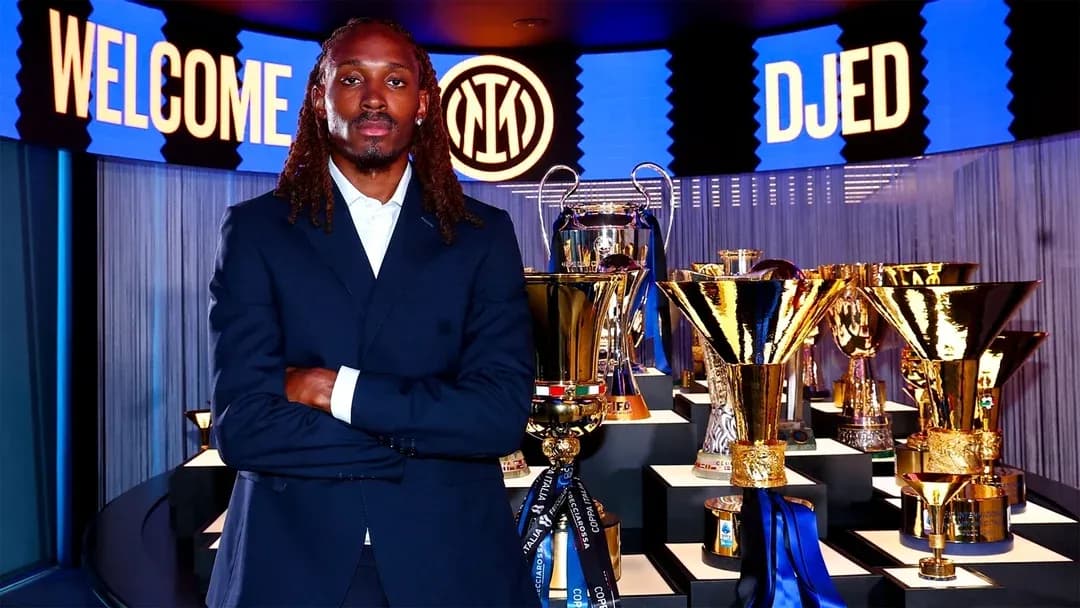
Marc Cucurella, Bernardo Silva, Ibrahima Konaté, Denzel Dumfries, Carlos Espí and Yan Diomande are in. The old 4-3-3 is out. And Mourinho, back in charge of one of football’s most demanding benches, has already drawn new lines on the tactical board.
A new shape, a new star, a new problem
Preseason has given a clear indication of Mourinho’s plan: 4-2-3-1, a double pivot, and Jude Bellingham installed as the central playmaker behind the striker. The structure is different, the hierarchy too.
Kylian Mbappé through the middle. Bellingham as the No. 10. Vinícius Júnior, fresh from signing a new long-term deal, locked to that left flank. Three names inked in, not pencilled.
The question is the fourth attacker.
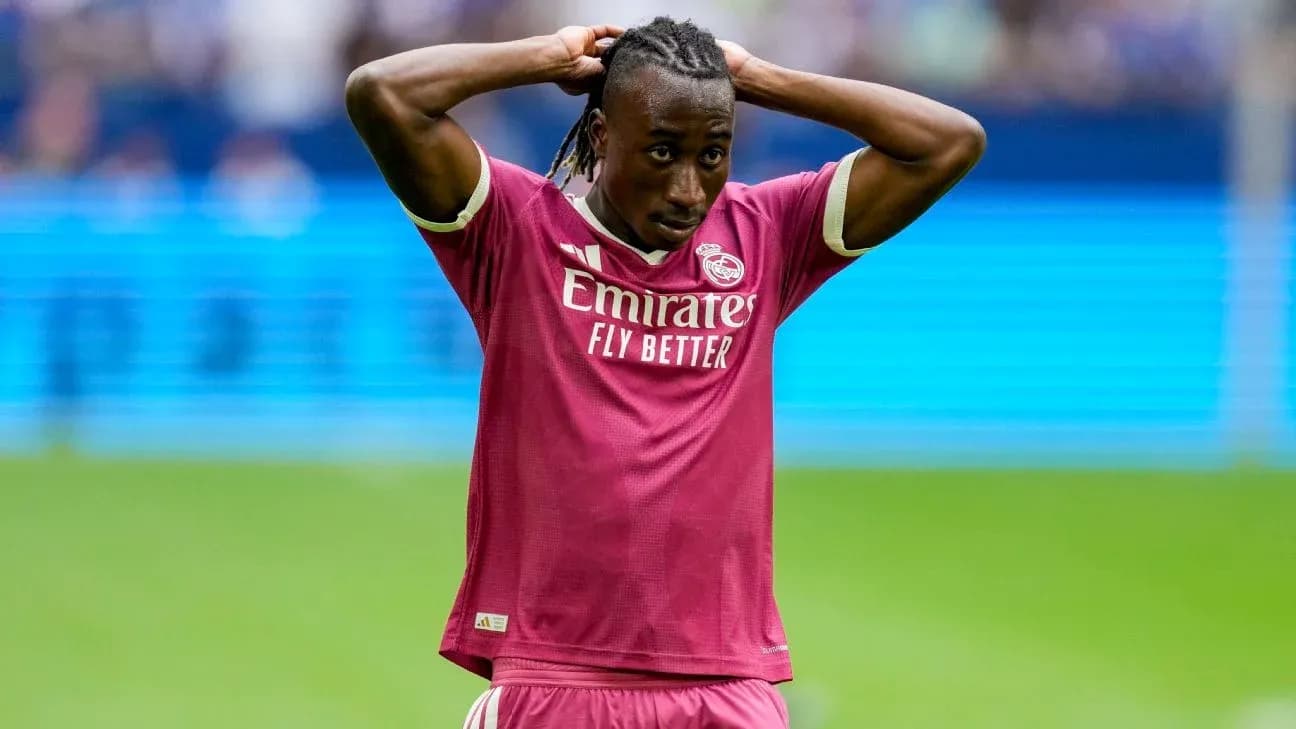
Madrid have spent over €125 million on Diomande, the most expensive signing in the club’s history. That kind of fee usually guarantees a starting place. Under Mourinho, it guarantees nothing. The right side of the attack is the live debate inside Valdebebas.
Play Diomande as an out-and-out winger and Madrid gain raw pace, direct running and a front line that can tear open space in transition. Keep him on the bench and bring in an extra midfielder on that side, and the team trades speed for control and balance. That’s where Bernardo Silva and Arda Güler enter the frame.
Silva and Güler can both operate as “false” wingers, drifting inside to overload midfield and help Madrid dominate the ball. It would mean Diomande watching from the dugout at 19 years old, waiting for his moment. How quickly he adapts to the club, the league and Mourinho’s demands will shape his role more than his price tag.
There is a third way. Mourinho could push Federico Valverde wide on the right, something previous coaches have done to great effect. For now, though, the new club captain is expected to start in his more natural central position, where his energy and range can drive the team from box to box.
If Diomande does start, one man in particular stands to benefit: Denzel Dumfries. The Ivory Coast forward’s aggressive positioning would pin back opposition full-backs and give Dumfries licence to surge forward, while also forcing him to offer the defensive cover Diomande won’t always provide. That right flank could become one of the most explosive in Europe — or one of the most exposed, if Mourinho miscalculates.
The pivot around Tchouaméni
The biggest structural change sits just behind Bellingham. The 4-2-3-1 lives or dies on the double pivot, and Mourinho has already identified its anchor.
Aurélien Tchouaméni, after the club’s failed attempt to prise Rodri from Manchester City, is now the only true positional central midfielder in the squad. That reality makes him indispensable. He will be the constant. The debate is who stands next to him.
Mourinho’s options are rich but very different: Valverde, Silva, Güler and academy product Thiago Pitarch. Four players, four profiles.
For the toughest games, logic points to Valverde. His engine, defensive work and ability to break lines with the ball make him the obvious partner to Tchouaméni when Madrid need a more solid, compact structure. That pairing would give Mourinho a platform to unleash his front four without losing control of midfield.
When Madrid expect to dominate the ball, the picture shifts. Silva becomes the natural alternative. His calm in possession, his ability to drop deep to start moves and his vision between the lines all suit a team that wants to suffocate opponents with passing and positioning rather than pure intensity.
Güler is the wild card. The Türkiye international is nominally Bellingham’s understudy in the No. 10 role, but last season Xabi Alonso already used him deeper. He can sit alongside Tchouaméni in a more attacking version of the double pivot, especially in home games where Madrid are camped in the opposition half. It would be a risk in defensive transitions, but one Mourinho may accept on certain days.
Then there is Pitarch. Not a marquee name, but one Mourinho appreciates. The academy midfielder impressed under Arbeloa with his stamina and dynamism, and those traits fit perfectly with the demands of a two-man midfield. He might not start the season as a regular, yet he is close enough to the rotation to step in at any moment.
New full-backs, new hierarchy at the back
If the front of the team looks different, the back line is undergoing its own quiet revolution.
On the left, Cucurella arrives not as a rotation piece but as a starter. His intensity, aggression and comfort on the ball have immediately pushed him to the top of the depth chart. Álvaro Carreras slots in as his understudy, while Ferland Mendy, so often sidelined by injuries, now faces a reduced role.
On the right, Dumfries offers a completely different profile to what Madrid have had in recent years: a rampaging, physical full-back who lives high up the pitch. His chemistry with whoever plays ahead of him — Diomande, Silva, Güler or even Valverde — will define that side of the team.
The centre of defense is where the uncertainty lies.
Dean Huijsen and Antonio Rüdiger are expected to start the season as the first-choice pairing. Rüdiger brings experience and aggression, Huijsen youth and composure. But Madrid are not building around just those two. The club is banking on the impact of new signing Ibrahima Konaté and the full return of Éder Militão to raise the defensive ceiling.
If both hit their level, the internal competition will be brutal. Raúl Asencio, who featured more prominently last season, is likely to slip down the pecking order as a result. For Mourinho, that is not a problem; it is the point. He wants four centre-backs who can all start without the team dropping off.
A different Madrid steps into LaLiga
While most of LaLiga kicked off the 2026-27 season at the weekend, Madrid have had to wait. Their opener comes away to Espanyol on Saturday, Aug. 22, a late start that gives Mourinho a few extra days to make the final calls on his first competitive XI.
He knows the stakes. Two seasons without a major trophy is already an anomaly at this club. A third would be an indictment.
The formation is changing. The personnel has shifted. The roles are being redrawn. What remains is the same unforgiving demand: win, and win now.