Real Madrid vs Espanyol: Mourinho's First Test
Real Madrid began as if they meant to end the contest inside the opening 10 minutes. They tore into Espanyol, moved the ball with bite, and struck first.
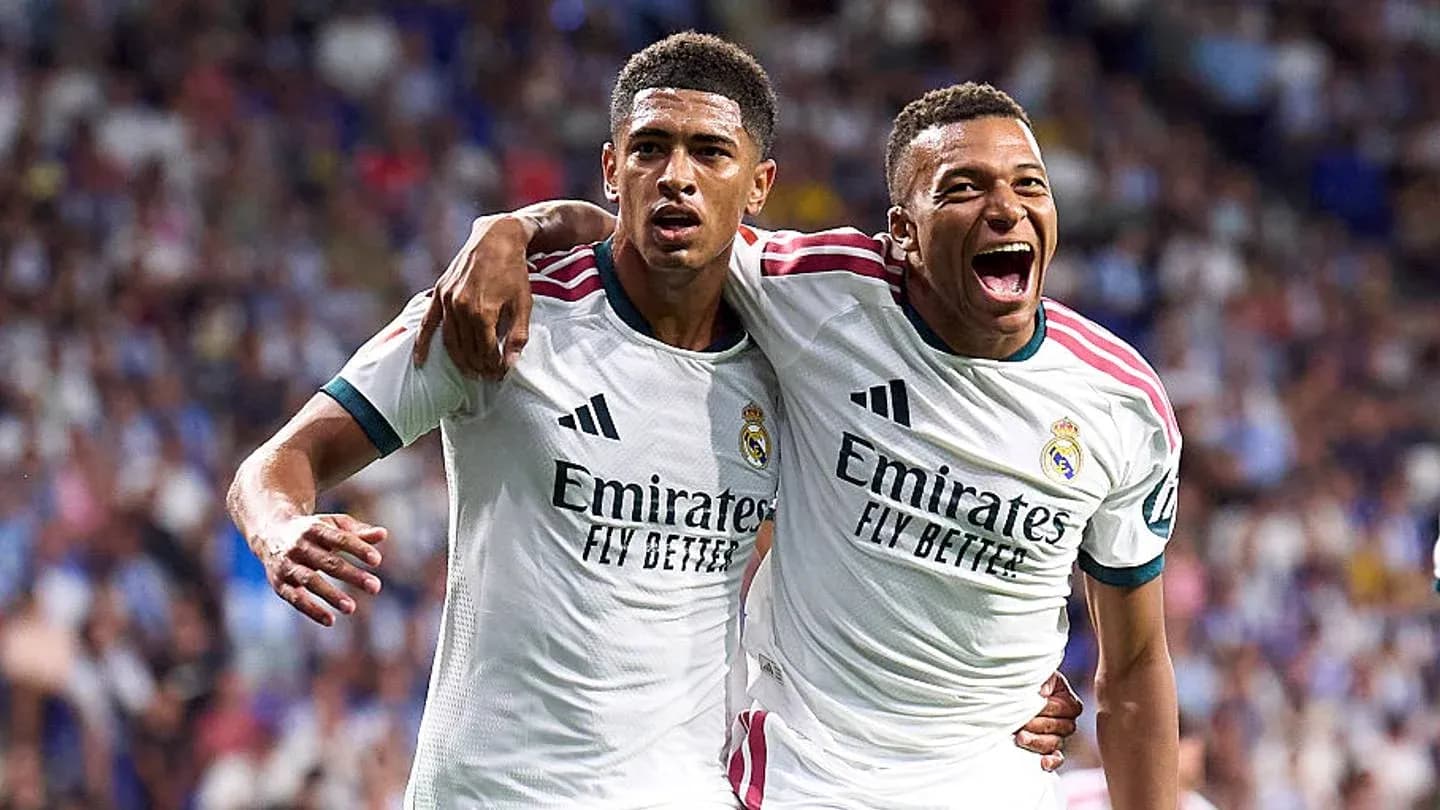
Arda Güler shaped a superb cross from the right, Jude Bellingham attacked it with that now-familiar late surge, and his header crashed home in the ninth minute. One chance, one goal, the Mourinho era apparently up and running.
It was an illusion.
The early breakthrough brought no control, no calm grip on the game. Espanyol shook off the shock almost immediately and started to work their way into Madrid’s half, testing Thibaut Courtois and, more importantly, exposing the spaces in front of his back line.
Courtois had to bail Madrid out in the 26th minute, stretching to deny a dangerous chance that should have served as a warning. It didn’t. A few minutes later, Alex Calatrava punished them, levelling the score and turning the night into exactly the sort of scrap Mourinho would have hoped to avoid.
From that point, the pattern was awkwardly clear. On the scoreboard, Madrid were level. On the pitch, Espanyol looked the sharper side whenever they broke forward. Their attacks carried more menace, their chances came from better positions, and they repeatedly found ways to trouble Courtois during key spells of the first half.
Espanyol’s goal did not feel like a freak moment or a one-off lapse. It ripped open an old debate about Madrid’s defensive structure. There was no true anchor in that critical phase of play, no one stepping in early to kill the move, no one reading the pass that opened the shot inside the area. When a team leans so heavily on attack-minded players, every turnover becomes a risk, every loose pass a possible invitation to run at an exposed defence. The gaps in front of the back four looked far too generous.
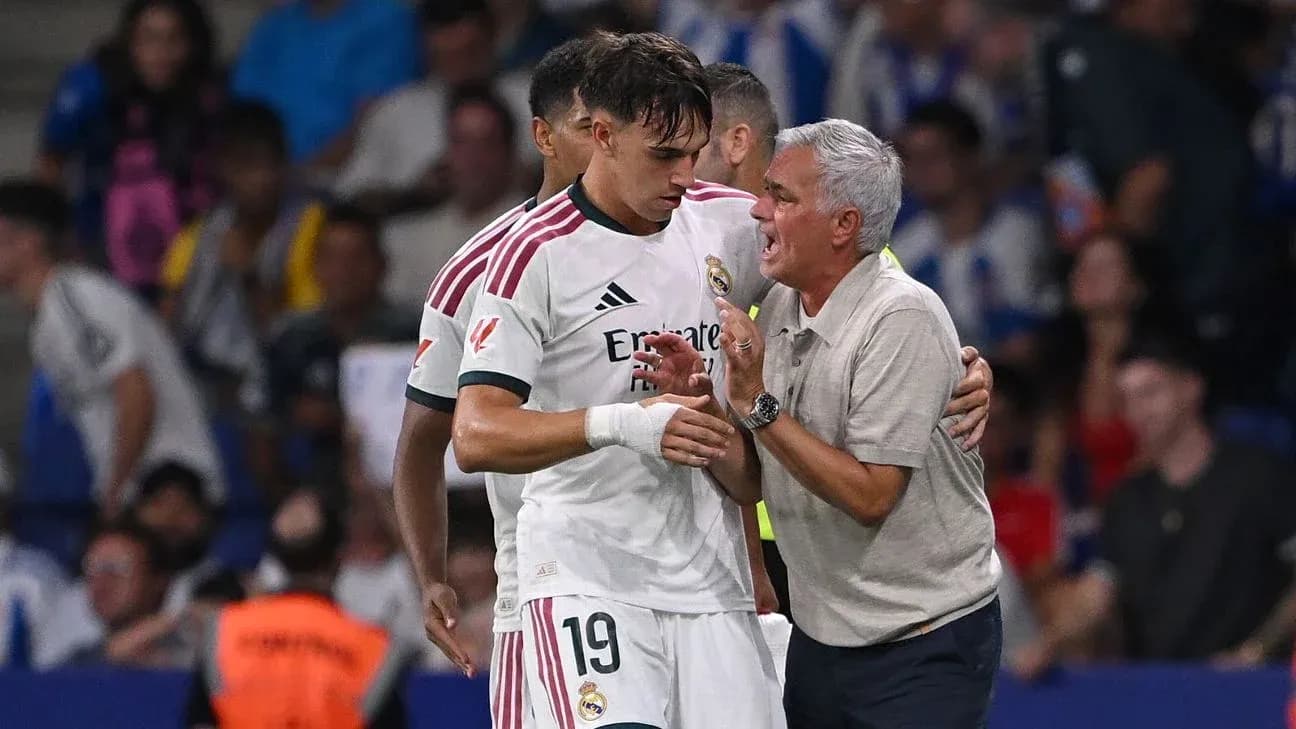
If Mourinho intends to stamp a harder, more disciplined edge on this side, that soft centre will be one of the clearest tests of his influence in the weeks ahead.
For long stretches, the match drifted towards a draw that felt about right. Madrid had the lead, then lost it. Espanyol carried threat, Madrid flickered without ever truly imposing themselves. The game seemed destined to close with more questions than answers.
Then the bench changed everything.
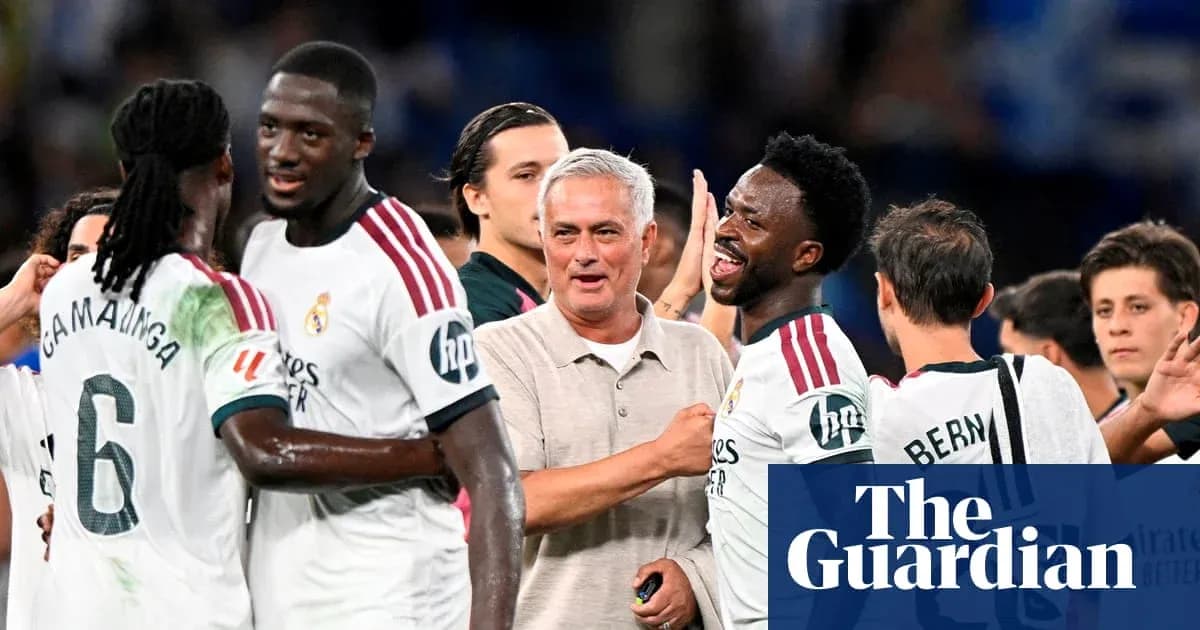
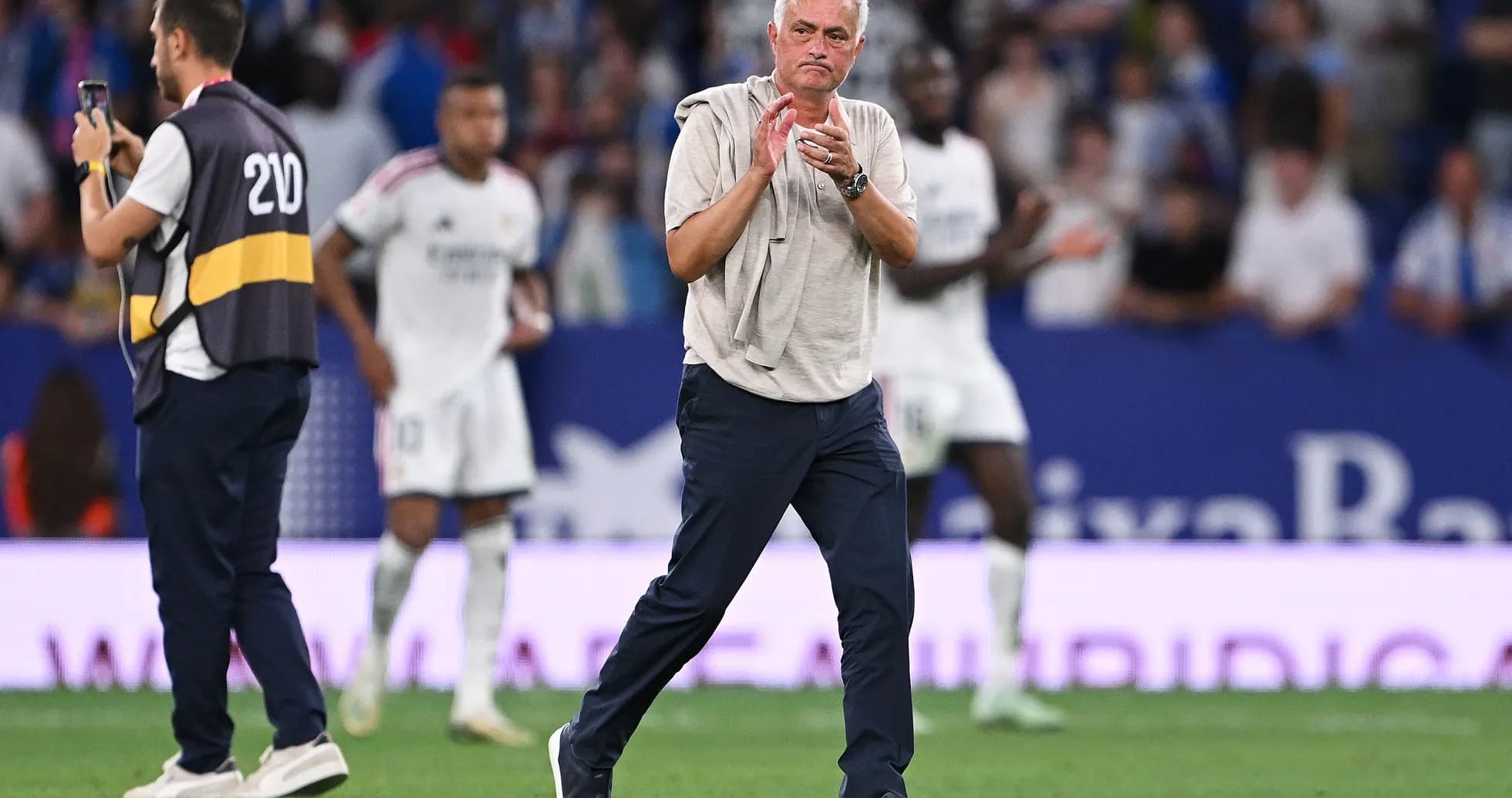
As the clock ticked towards stoppage time and frustration grew, Espi seized his moment. A scramble in the box, Espanyol’s defence hesitated, and the substitute reacted quicker than anyone. He pounced on the confusion and hammered the ball in the 90th minute, wrenching the result Madrid’s way and delivering the first three points of Mourinho’s second spell.
That strike underlined the value of fresh legs and sharp minds off the bench. It also covered up a harsher reality. Madrid did not win because they strangled Espanyol with sustained attacking authority. They won because they punished a single, chaotic lapse at the back, not because they carved open the Catalan side with a flowing, rehearsed move.
On paper, it is the perfect launch: three points, a late winner, the narrative of “Mourinho finds a way” ready-made. On the pitch, it looked far closer to the problems that have dogged Madrid over the last two seasons. The lack of varied attacking solutions, the inability to dictate the rhythm for long spells, the recurring holes that invite opponents to create danger — all of it reappeared in flashes.
Drawing sweeping conclusions from one game would be reckless. The season has barely started, the players are still adjusting to Mourinho’s demands, and early matches often throw up disjointed performances. But if these same flaws resurface against stronger opponents, what we saw in Catalonia will shift from early warning signs to something more entrenched.
For now, the league table shows exactly what Mourinho wanted: Real Madrid on three points. The performance, though, leaves a sharper question hanging over the Bernabéu. Is this just the messy, forgettable opening act of a team that will grow into its new identity — or the first hint that old issues might outlast the coach who has been brought back to fix them?