Rafael van der Vaart Critiques Koeman’s Tactics After Morocco Loss
Rafael van der Vaart did not bother with diplomacy. Sitting in the NOS studio, the former Real Madrid midfielder watched the Netherlands’ campaign collapse and went straight for the heart of the issue: Ronald Koeman’s tactical overhaul and a midfield that simply ceased to exist.
The Dutch had battled through a tricky group, found a bit of rhythm, and looked to be growing into the tournament. Then came Morocco – and a game plan that ripped up everything that had started to work.
“You get through a difficult group stage reasonably well. Then things start clicking a bit,” Van der Vaart said, visibly exasperated. “What goes on in your head that makes you change everything against Morocco? I don't understand it one bit.”
Midfield gamble backfires
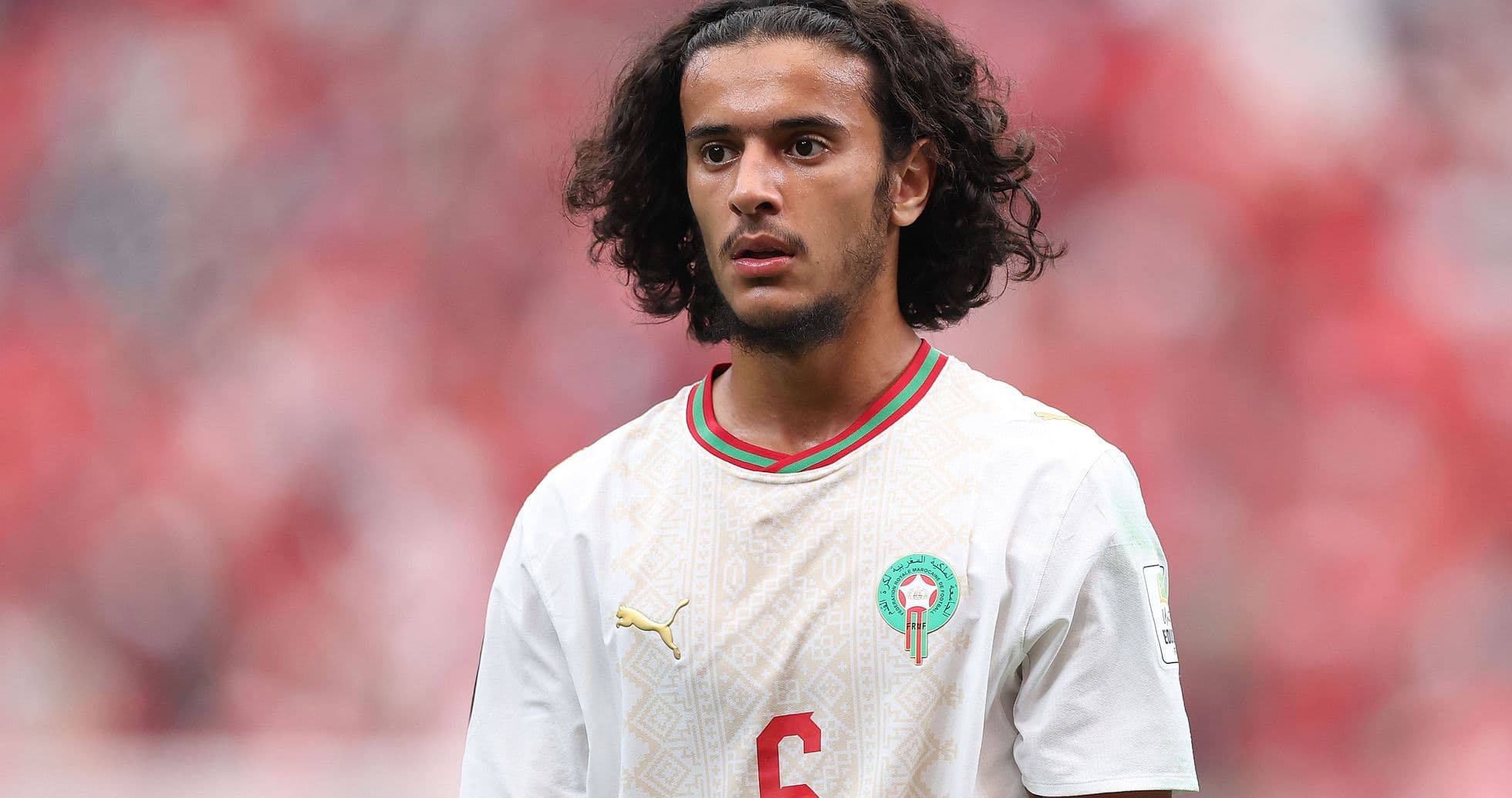
Koeman’s reshuffle left the Netherlands with a stripped-back central unit against what Van der Vaart sees as Morocco’s greatest strength. The result was brutal: the Dutch were overrun in the middle of the pitch, their structure torn apart by a Moroccan midfield that controlled tempo, territory and, ultimately, the tie.
Van der Vaart’s criticism cut deepest when it came to the decision to face that engine room with only two central midfielders.
“I think Morocco's midfield is their strongest asset. And then you decide to play against them with just two men?” he said. “I didn't study to be a manager, but that seems a bit clumsy to me.”
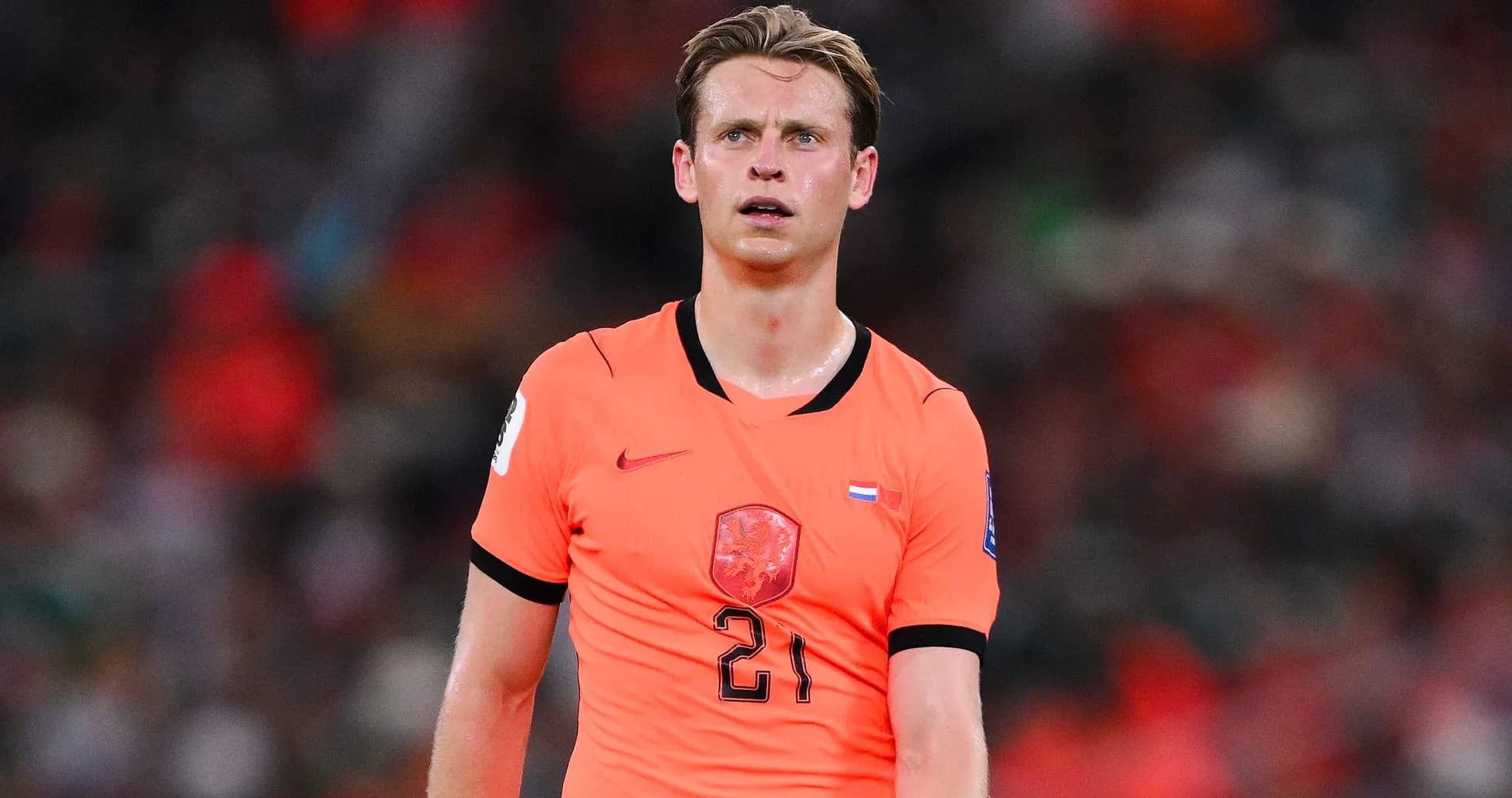
The pressure in those central areas starved the Netherlands of their usual passing rhythm. The team’s main conduit, Frenkie de Jong, barely saw the ball. When he did, he looked a shadow of the player who normally dictates games for club and country.
Frenkie singled out – and then defended by context
Van der Vaart did not spare De Jong individually.
“Frenkie played the absolute worst game I’ve ever seen from him today. Truly disappointing. But is that because of the system?”
That question framed the entire post-match debate. De Jong, so often the metronome, became almost a bystander. With Morocco dominating possession, his strengths – receiving under pressure, progressing the ball, drawing opponents out – never came into play. He drifted on the periphery until Koeman finally replaced him with Marten de Roon after 110 minutes, a change that felt more like an admission than a solution.
“Frenkie is only effective when you have the ball, but we didn't have the ball at all today, so Frenkie was completely invisible. And he is supposed to be our main man...” Van der Vaart said, underlining how the tactical setup undercut the player the system should have been built around.
Cody Gakpo’s isolation
Even the one bright moment – Cody Gakpo’s goal – came with a sting in the tail. The forward again delivered on the scoresheet, yet he, too, found himself largely cut off from meaningful involvement.
“Cody Gakpo scored the goal, but of course, he was barely involved either,” Van der Vaart pointed out. With the midfield unable to string passes together or progress play, the attacking line survived on scraps. Gakpo’s strike felt less like the start of a surge and more like an isolated flash in a match slipping away.
Fallout for Koeman and an ageing core
As Morocco move on to a last-16 clash with Canada in Houston, the Dutch return home to a very different reality. The squad, already under scrutiny, now faces serious internal questioning about its direction, its balance, and its future.
Koeman stands at the centre of that storm. His tactical gamble against Morocco did not just fail; it exposed long-standing concerns about an ageing squad and a midfield that lacks depth when stretched. The manner of the defeat, and the way key figures like De Jong were neutralised by the system rather than the opponent alone, will not be easily brushed aside.
Significant changes now feel less like an option and more like a necessity. With a new international cycle looming, Koeman must decide how many of these familiar faces will still be central to his plans – and whether he can build a structure that actually serves his best players, instead of leaving them stranded in games that matter most.