Qatar's Madibo Visits Injured Kone Amid World Cup Challenges
On the eve of Qatar’s final Group A game, Julen Lopetegui revealed a detail that cuts through the usual World Cup noise. Assim Madibo, suspended and still shaken, spent Tuesday in Vancouver at the bedside of Ismael Kone, the Canada midfielder whose leg he inadvertently broke.
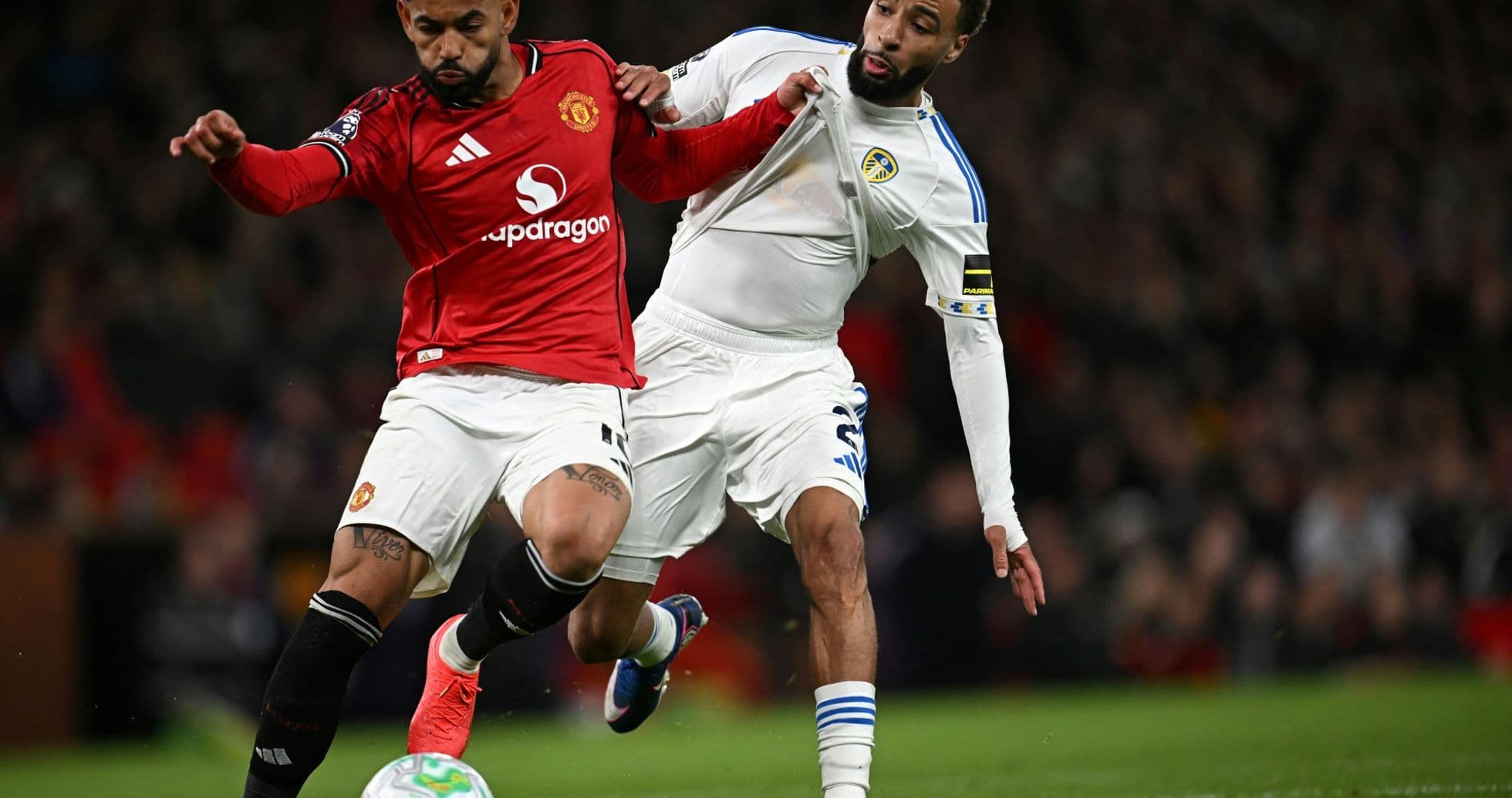
Madibo’s red card in Qatar’s 6-0 defeat to Canada last week came with a visible human cost. As Kone lay stricken, the Qatari midfielder looked devastated, knowing the challenge had gone horribly wrong. Kone, now recovering from surgery, faces at least five months out for Sassuolo in Serie A.
“It has been very tough for him,” Lopetegui said of Madibo. The Qatar coach stressed again that there was no malice, only a mistimed tackle with brutal consequences. “We wish him [Kone] all the best to recover as soon as possible. Now in the current moment Madibo is in Vancouver visiting Kone because he was very, very affected by this injury – it was never his intention. It was a very clear accident. We wish him all the best.”
For Madibo, the visit is a gesture of remorse and respect. For Qatar, it means going into Wednesday’s meeting with Bosnia and Herzegovina in Seattle without a key midfielder, and without Homam Ahmed, who is also suspended after being sent off in the same game. A team already reeling from a heavy defeat must now regroup without two starters and with the emotional weight of that night still hanging over them.
Lopetegui’s words, though, made clear where his mind was. Not on excuses, nor on refereeing decisions, but on a player who left the pitch in tears and another who left it on a stretcher.
Iran Train Under Black Flags and the Shadow of “#168”
Across the continent, Iran prepared for their final Group G match in a very different atmosphere, one that stretched far beyond football.
At their base in Tijuana on Tuesday evening, the players trained with black corner flags planted around the pitch, each marked with a stark, simple message: “#168”.
The number has become a symbol for this Iran squad. It refers to the at least 168 people, most of them schoolchildren, killed in a strike on an elementary school in Minab, southern Iran, on 28 February – the opening day of what has been described as the US-Israel war on Iran. The attack was attributed to the US military. Donald Trump, speaking last week, said: “Nobody did that on purpose. Mistakes are made. The war is nasty.”
Iran’s players have chosen to carry that number with them. When they first arrived in Mexico earlier this month, fresh from a camp in Turkey, they stepped off the plane wearing lapel pin badges reading “#168”. Now, as the group stage reaches its climax, the message has moved onto the training pitch.
Whether FIFA will tolerate it is another matter. The regulations are explicit: equipment “must not have any political, religious or personal slogans, statements or images”, with the threat of sanctions hanging over any team that crosses the line. For now, Iran train under black flags and wait to see if the governing body intervenes.
Their schedule has been a battle of its own. Iran will not land in the United States until 11.30am local time on Wednesday, flying from Tijuana to Seattle just two days before they face Egypt on Friday. They were granted special permission for the late arrival, a small concession after earlier complaints.
Before their previous matches, against New Zealand and Belgium in Los Angeles, they were only allowed into the country 24 hours before kick-off. It prompted head coach Amir Ghalenoei to describe Iran as the “most oppressed” team at the tournament, a pointed phrase in a competition that insists on neutrality while operating in a highly charged political landscape.
The football, though, has carried its own quiet messages. After Sunday’s draw with Belgium, Iran left a handwritten note in the dressing room at Los Angeles Stadium. It carried the same hashtag – #168 – and a sweeping statement of identity and intent.
“From the ancient Persia of thousands of years ago to the civilised Iran of today, the spirit of Iran remains alive and steadfast. We came to Los Angeles with pride, competed with honour, and leave with dignity.
“Thank you Los Angeles for your hospitality. And thank you to every Iranian who gave their heart, voice and soul for Iran throughout these 180 minutes. May peace, respect and friendship prevail among all nations.”
It was both farewell and manifesto, a reminder that this squad sees itself as more than a football team passing through a World Cup city.
On the pitch, there was a moment of celebration amid the tension. At training on Tuesday, Alireza Jahanbakhsh, the former Brighton winger, received a commemorative Iran shirt to mark his 100th cap, reached in the draw with Belgium. A century of appearances, earned across years of upheaval, in a team that rarely enjoys a smooth path.
The next stop is Seattle, where Iran will walk into another charged occasion. Their meeting with Egypt is the tournament’s designated Pride Match, scheduled to coincide with Seattle’s Pride weekend. Both federations have already complained to FIFA about the associated celebrations. The governing body has not backed down.
So Iran arrive late, train under black flags, wear badges with a number that refuses to be forgotten, and prepare to play in a match wrapped in another layer of symbolism. FIFA has been contacted for comment on the #168 displays. No ruling yet. No sanctions yet.
The football will go on. The questions around it are only growing louder.