PSG Retains Champions League Title Amidst Illegal Streaming Surge
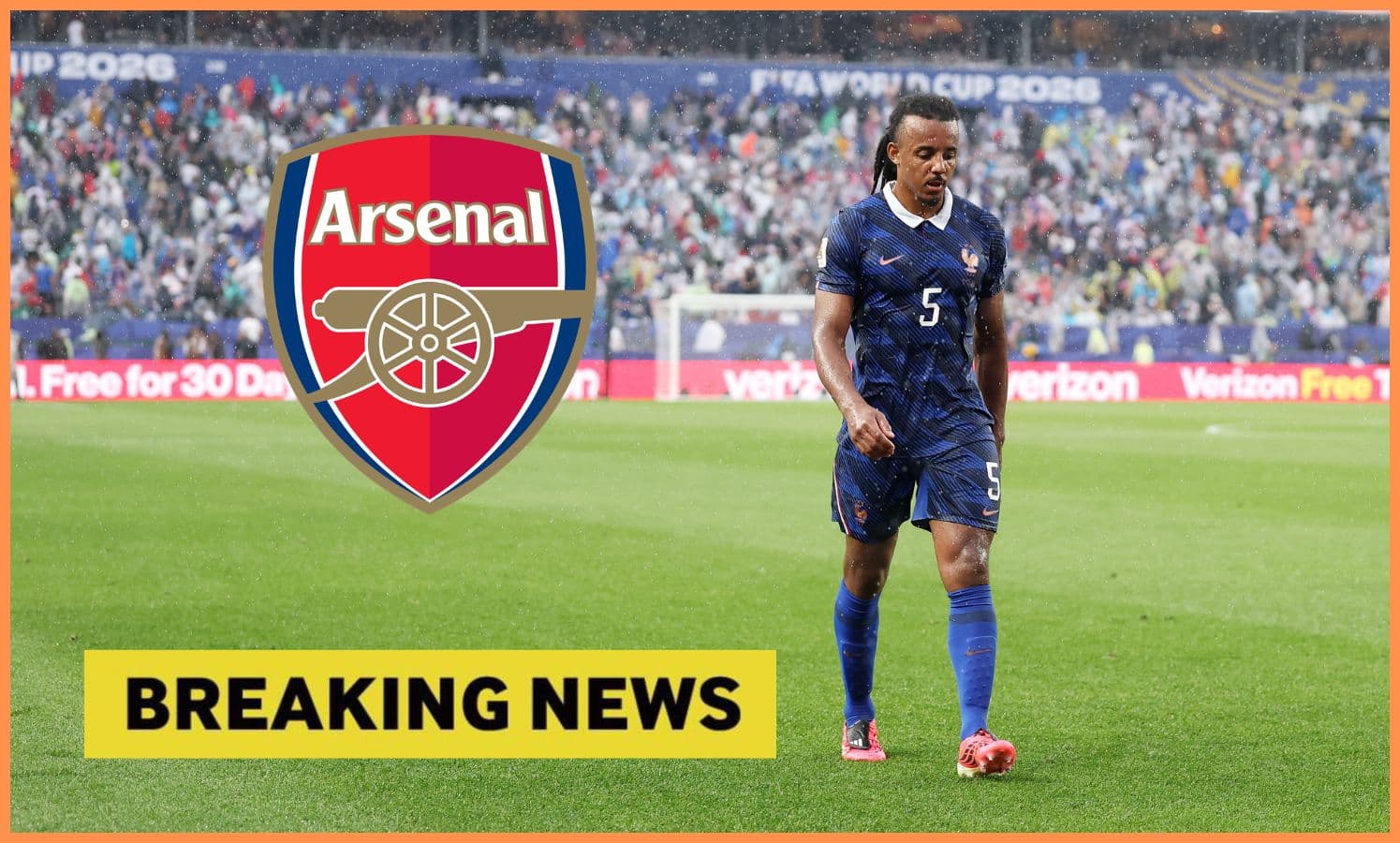
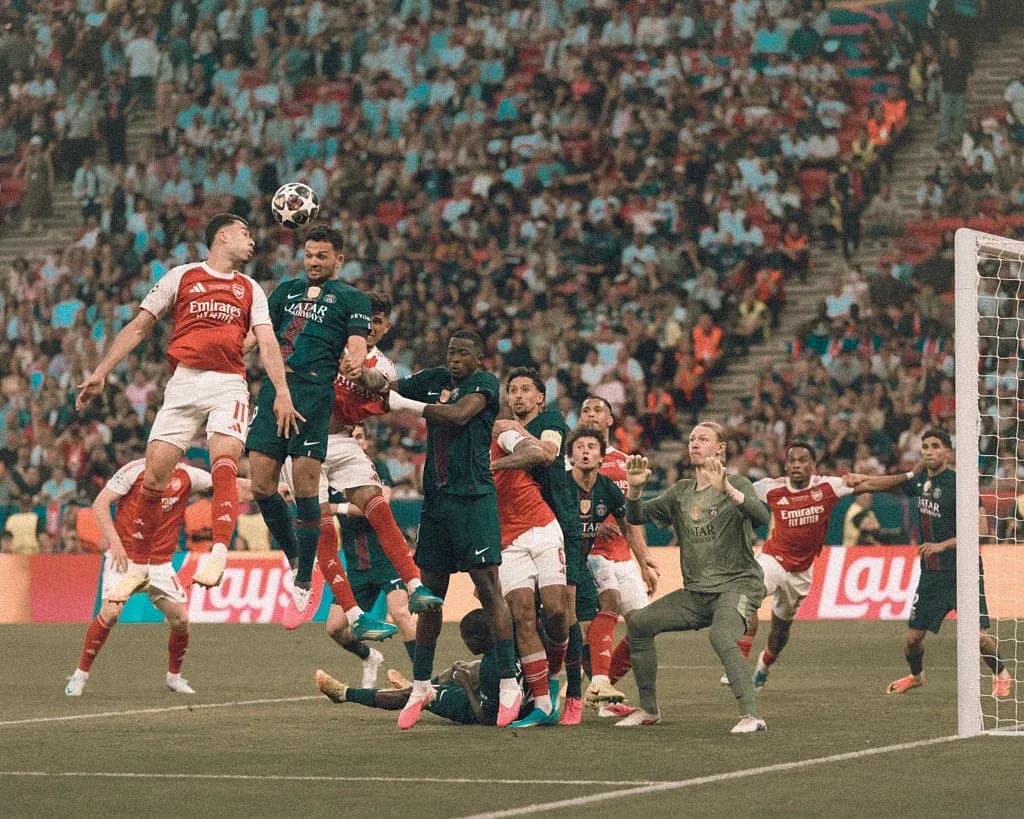
On a warm night in Budapest, PSG clung to their European crown. A 1-1 draw with Arsenal at the Puskás Aréna, a 4-3 win on penalties, and another UEFA Champions League title in the bag. But the real shock came not from the pitch, nor from the trophy lift, but from the way the world watched it.
The biggest audience wasn’t in the stadium, or even on television. It was hiding in plain sight — on illegal streams.
A final that broke the rules of viewing
Across four key markets — the UK, France, Hungary and the United States — the final drew a combined audience of 33.7 million. A strong number for a club match, particularly in a summer dominated by the FIFA World Cup.
Yet the headline figure barely scratches the surface.
In the UK alone, 19.4 million people watched Arsenal’s shot at history. Of those, an extraordinary 16.2 million did so via illegal streams. That single, shadow audience outstripped the 12.9 million people who tuned in through official broadcasters across all four markets combined.
The game wasn’t available free-to-air in Britain. Fans simply refused to accept that. They found their own way in.
TNT Sports and HBO Max accounted for just 3.0 million UK viewers, with another 0.2 million estimated to have watched out of home. The rest slipped through the digital back door. For a Champions League final involving an English club, the paywall didn’t just creak — it was ignored.
France, with PSG defending their title, delivered 9.5 million viewers via M6 and Canal+. In the US, where football interest has been supercharged by the World Cup backdrop, CBS, Univision and Paramount+ combined for 4.8 million.
Screens glowed in living rooms, phones lit up on trains, and in Budapest 61,035 spectators packed into the Puskás Aréna. But the story of the night stretched far beyond the official broadcast grid.
Pubs, plazas and a different kind of winner
London and Paris pulsed with their own energy. YouGov Profiles estimates that just under 500,000 Arsenal and PSG supporters watched from bars and pubs across the two capitals. For them, it was about community as much as the game — a shared roar, a shared silence, a shared penalty shootout.
On the pitch, Arsenal walked away beaten. Off it, their front-of-shirt sponsor stole the show.
YouGov Sport’s Brand Exposure analysis clocked Emirates on Arsenal shirts for 2 hours and 52 minutes of on-screen time, with a Brand Impact Score (BIS) of 3.54. PSG’s sponsor, Qatar Airways, managed 1 hour and 54 minutes and a BIS of 3.25.
That gap tells its own story. Arsenal’s players were more present in the broadcast at decisive moments: attacking surges, last-ditch tackles, close-ups of anguish or defiance, the slow-motion replays that define a final. Each of those moments carried the Emirates logo deeper into the consciousness of viewers.
When the cameras lingered, Emirates benefitted. The airline’s branding delivered a higher BIS than Qatar Airways (3.54 vs 3.22), driven by a slightly larger logo, stronger positioning on screen, more frequent solus shots and less surrounding brand clutter. Longer average exposure durations meant that when Emirates appeared, it stayed.
The result? The losing side produced the more valuable shirt exposure.
For sponsors, that is a crucial lesson. Drama sells. Heartbreak can be commercially powerful. A team that loses on penalties in a gripping final can still deliver a better return than the champions.
Forty-two billion impressions from one match
The final didn’t end when the last penalty hit the net. It simply moved platforms.
Across 30–31 May, the game triggered more than 40,500 social media posts, 13,700 videos and 24,500 online articles. Those pieces of content carried an estimated 42 billion potential impressions, 1 billion video views and 10 billion in potential readership.
PSG, champions on the pitch, also dominated the digital noise.
Across the club’s official social media accounts, PSG generated 8.6 billion impressions and 418.6 million video views. Arsenal’s official channels posted strong numbers of their own — 3.7 billion impressions and 49.7 million video views — but PSG’s greater volume of content translated into a far wider reach.
The victory travelled. Clips of the shootout, trophy lifts, behind-the-scenes footage and player reactions pushed PSG’s brand deep into feeds around the world. The club didn’t just win a title; it extended its footprint.
When fans become advocates
The impact of this kind of night isn’t only measured in eyeballs and logos. It seeps into how fans feel about the brands on their shirts.
Using YouGov BrandIndex, Recommendation levels for Emirates among Arsenal supporters in the UK and Qatar Airways among PSG supporters in France were compared with those of the general population in each country. In both cases, club fans were significantly more likely to recommend the sponsor than the broader public.
For Emirates, there was an added lift. Around the time of the final, Recommendation among Arsenal supporters rose, suggesting a strengthening bond between fans and sponsor. Multiple factors can influence brand perception, but the timing underlines how a high-profile, emotionally charged night can tilt sentiment.
Qatar Airways, for its part, maintained consistently strong Recommendation levels among PSG fans throughout the period measured. Stability at a high level is its own form of success.
Through YouGov Sport’s BIS-X framework, these shifts in perception are folded into the hard numbers of exposure. The model blends what the cameras see with what the fans feel, linking visibility with brand health. In this case, the stronger uplift in Recommendation among Arsenal supporters hints that Emirates enjoyed not just more screen time, but deeper advocacy — a powerful combination for any sponsor.
Beyond the logo count
Strip the night back to its essentials and it becomes a case study in how modern sponsorship really works.
A packed stadium. Tens of millions watching legally. Even more in one market streaming illegally. Billions of impressions and video views. Shirt sponsors whose fortunes diverged from the scoreboard.
The Champions League final showed why simple audience figures and logo counts no longer tell the full story. Brands now need to know who watched, how they watched, how long they watched, what they shared, and how they felt about what they saw.
In a media landscape splintered across platforms and paywalls, one question hangs over nights like this: if 16.2 million people in a single country are willing to break the rules just to watch, how will football — and the brands that bankroll it — adapt?