PSG's Champions League Edge Also Creates Its Greatest Challenge
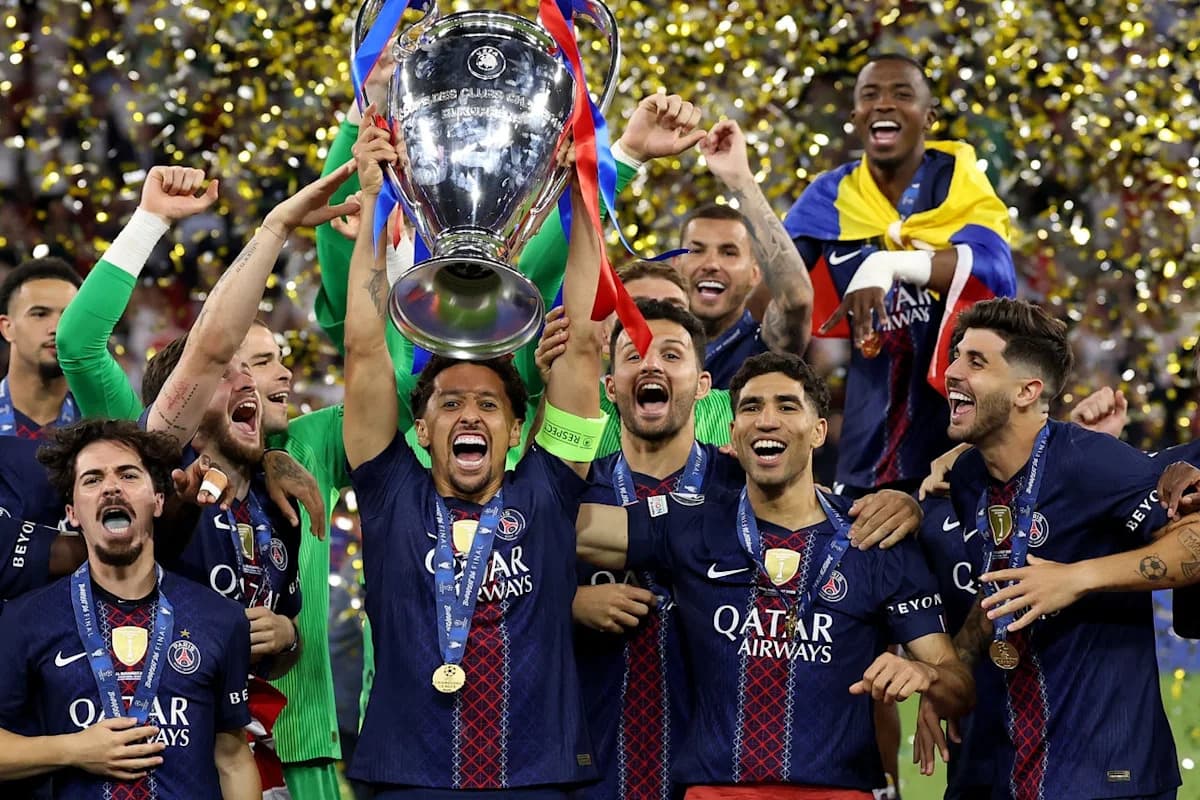
In the aftermath of the 2026 Champions League final, Mikel Arteta found himself fixated on a single question that nearly overshadowed Arsenal’s Premier League triumph: how do you defeat Paris Saint-Germain? With the Champions League now expanded to 36 teams, and PSG chasing an unprecedented third consecutive title, this question has taken center stage.
But the real issue might not be whether PSG are the best team—they probably are—but if the current tournament structure unintentionally benefits dominant clubs from one-team leagues like Ligue 1 or the Bundesliga. This debate touches on broader themes in European football, including whether English financial muscle truly translates into late-stage success. Yet, given how different the knockout rounds look, these concerns feel somewhat distant.
PSG’s Approach to the Group Stage
PSG often treat the group stage as a formality. Their last two Champions League wins came after finishing 15th and 11th in the league phase, requiring them to face the tough play-off rounds. They rise when it counts, a skill many clubs lack.
This isn’t about rehashing arguments that the early stage has lost its excitement or how it financially favors elite clubs. The increased prize money has indeed entrenched a tiered system, making surprise runs rarer. Still, there's enjoyment in the group stage’s drama, especially when watching newcomers like Como, LASK, Viking, and Sabah make their debuts.
English Clubs and the Champions League Challenge
Manchester United relishing the competition’s magic back at Old Trafford, and Jose Mourinho aiming for a Real Madrid title after 16 years, highlight ongoing storylines. Meanwhile, with Pep Guardiola gone from Manchester City for the first time since 2012, there’s curiosity about how Liverpool’s Andoni Iraola will handle his debut campaign amid the physical demands.
The schedule almost mimics a domestic league’s rhythm, turning some matches into what feels like background noise. The group phase primarily shapes the knockout bracket but rarely hints at the final outcomes.
Strategic Rest and English Power
This is the second season using a tennis-style fixed route, yet clubs may conserve their best players for later rounds, prioritizing fitness over early results. English clubs dominate the upper table, none eliminated at group stage, though Tottenham’s struggles and Atlético Madrid’s surprising progress illustrate complexity.
The Premier League’s competitiveness means clubs endure more rigorous challenges week-to-week, which can affect performance. The new format also serves as a subtle counterbalance to English dominance amid wider football politics, including tensions between FIFA and UEFA.
Impact on Players and Broadcast Rivalries
The Champions League expansion competes with the Premier League’s broadcasting rights and intensifies fixture congestion, influencing player fatigue. Leagues like LaLiga and clubs such as Real Madrid, Barcelona, and PSG offer higher wages and career longevity, attracting stars away from England.
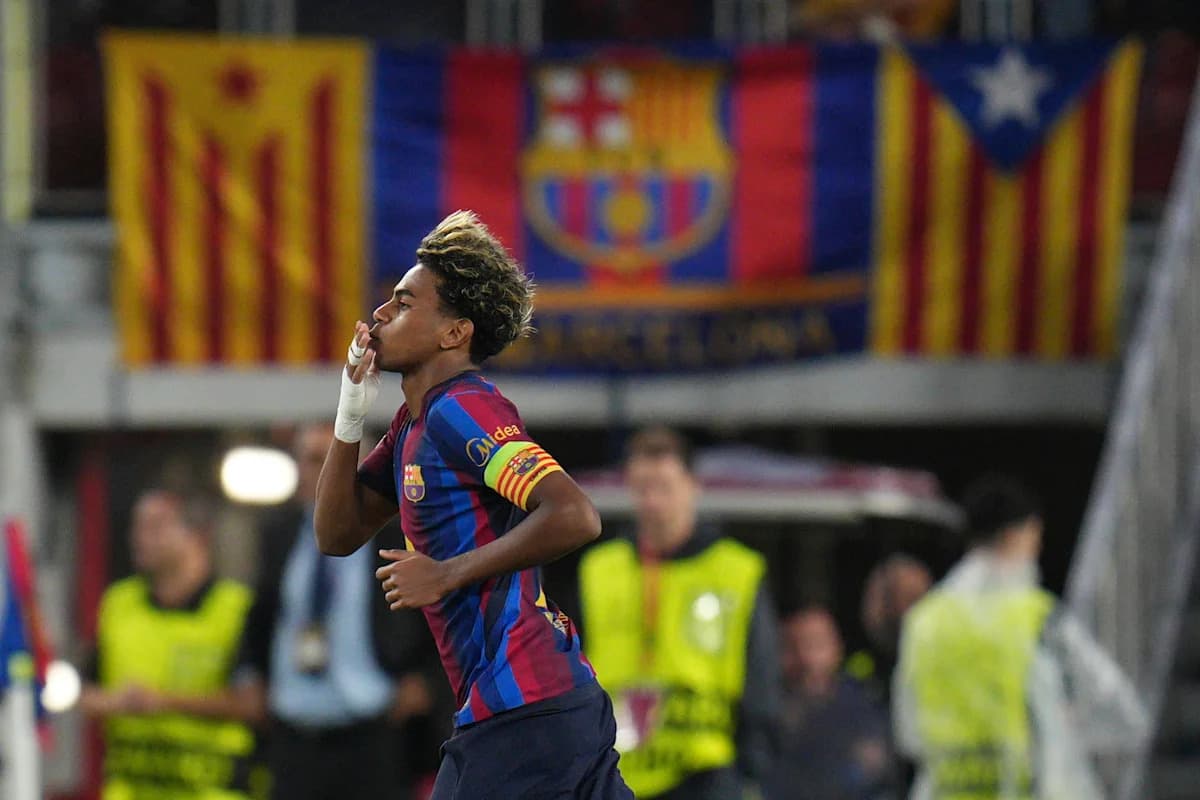
The signing of Rodri by Barcelona stands out as pivotal. After years without a strong Champions League presence, Barcelona’s resurgence under Hansi Flick and the arrival of young talent like Lamine Yamal have brought hope. Rodri’s versatility strengthens their defense significantly, marking them as serious contenders once again.
Outlook for the Season
With Rodri boosting Barcelona’s chances and Arsenal missing a key attacking star, the competition is wide open—except for PSG. Despite a shaky start, they remain the only team experienced enough to close out the campaign successfully. This is why Arteta emphasizes raising his team’s level. In this calendar, knowing how to finish is everything.