PSG’s Champions League Strength Also Reveals Its Greatest Challenge
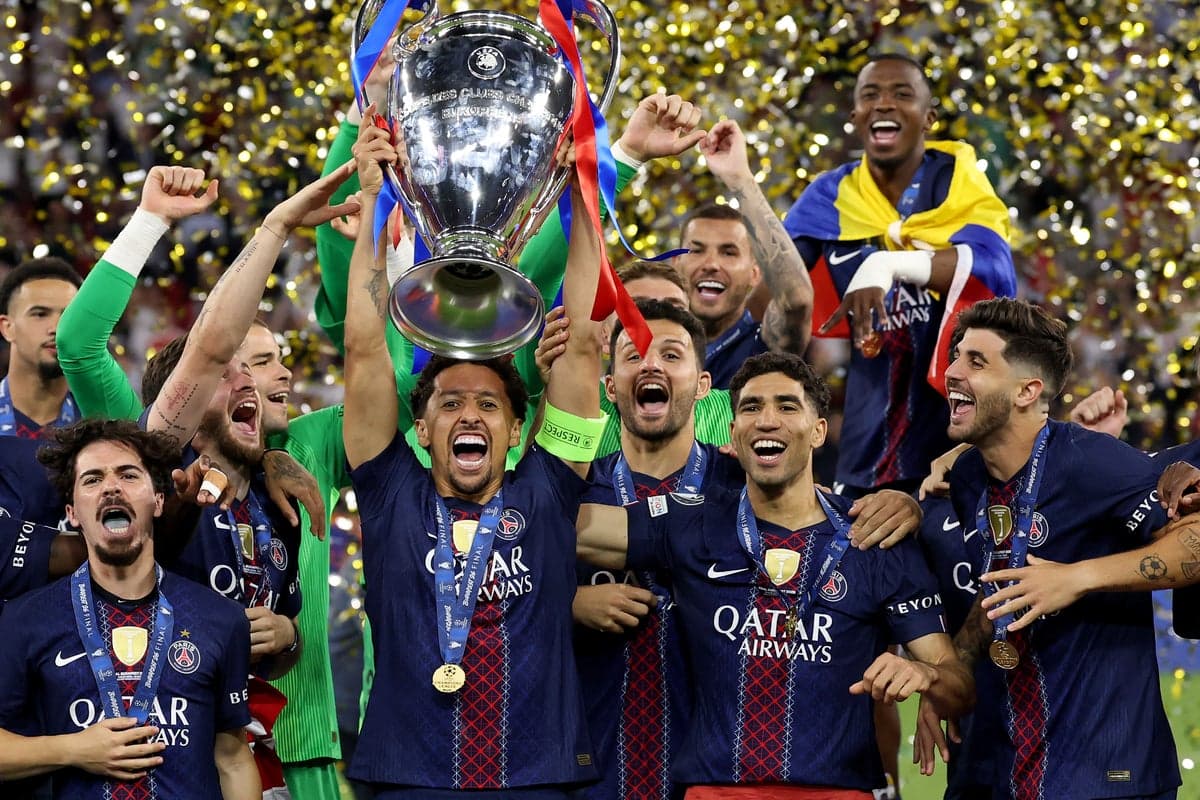
After the 2026 Champions League final, Mikel Arteta found himself consumed by one big question: how to beat Paris Saint-Germain. This query overshadowed even the joy of winning the Premier League again. As the Champions League enters its third season with the expanded 36-team format, PSG's quest for a historic third consecutive title looms large.
The real question might not be if PSG is the best team—they probably are—but whether the current tournament structure unintentionally favors dominant clubs from single-elite leagues such as Ligue 1 or the Bundesliga.
This issue touches on ongoing debates about the Champions League, especially regarding whether English clubs' financial muscle shows in later stages. Oddly, the difference in format means these concerns feel less pressing right now.
PSG’s Approach to the Group Stage
PSG often barely focus on the Champions League until February. Despite winning two recent titles, they finished 15th and 11th in the group phase in those seasons, forcing them through tough play-off rounds. They excel when it matters most, unlike many other teams who struggle at this level.
This isn’t to repeat tired arguments about the group stage losing its excitement or becoming a “super league” disguised as a regular tournament. The rise in prize money has created a tiered club system, making surprise qualifiers rare. Still, there's some enjoyment to be found in the group matches, with drama unfolding and debutants like Como, LASK, Viking, and Sabah offering fresh stories.
The Long Road to Knockouts
The Champions League can almost feel like a domestic league in terms of schedule and intensity—sometimes just background noise with moments worth noticing. The group stage often acts merely as the build-up to the knockout rounds, shaping the bracket more than defining the competition.
UEFA's new fixed-route format resembles tennis draws but depends heavily on how seriously rich clubs treat the early games. Some believe it's smarter to save top players for tougher later fixtures rather than exhaust them early for an easier path.
English Clubs and the Demands of Domestic Competition
English teams dominate the upper table and none have been eliminated in the group phase recently. Even Tottenham, after a poor campaign, finished fourth last year. Yet finishing fourth doesn't always reflect true quality, as Atletico Madrid, ranked 14th, showed in their later victory over Spurs.
One challenge is that English clubs endure a more competitive league from top to bottom, demanding consistency to avoid relegation battles, unlike other European leagues.
The Bigger Picture: Premier League Power vs. European Balance
The expanded Champions League acts as an unintended check on the Premier League’s dominance. With football politics tangled up in power struggles between UEFA and FIFA, and clubs seeking to counter England's influence, this tournament serves as an alternative platform matching the Premier League’s broadcasting heft.
This increase in fixtures also encroaches on the Premier League’s calendar and player stamina. Another area where the Premier League lags behind is star power. Giants like Real Madrid, Barcelona, and PSG boast higher revenues, enabling bigger wages and longer careers at the top level.
Barcelona’s Revival and Impact on This Season
The signing of Rodri at Barcelona could prove pivotal. The club hasn't felt like a true Champions League contender since 2019. Thanks to Rodri, they gain an immediate solution to defensive issues, potentially reshaping their campaign. Meanwhile, Arsenal’s failure to land a similar attacking star leaves questions about their chances.
Facing PSG’s Challenge
With PSG possibly starting slow but holding unmatched experience in finishing strong during this calendar, every rival must figure out how to overcome them. That’s why Arteta emphasizes raising his team’s level. PSG may be the toughest obstacle yet again.