Understanding Undisclosed Premier League Transfer Fees and Related Questions
Andrew from New Forest asked why some clubs choose not to reveal transfer fees. Clubs often keep fees secret to prevent rivals from knowing their spending limits or budgets for replacements. It might seem odd since agents and other sources often leak these figures anyway. For transfers involving publicly traded overseas clubs like Lyon or Juventus, those clubs must disclose the exact amounts to stock markets, even if the English club lists the fee as undisclosed. Still, English clubs maintain secrecy despite limited benefit.
What Defines a Homegrown Player in the Premier League?
A homegrown player is one who has been registered with any English or Welsh club for three full seasons or 36 months before turning 21, regardless of nationality. This also applies if the player completes this period by the season's end when they turn 21. For example, Chelsea's Joao Pedro, born in Brazil, qualifies because he joined Watford at 18 and stayed long enough. UEFA's homegrown rules differ, counting only from ages 15 to 21, whereas the Premier League starts counting from younger ages.
Does the Homegrown Rule Work Both Ways?
Mike from Bath noted that Eric Dier was not homegrown for Spurs despite being English. That's correct; the rule focuses on time spent training at English clubs before 21, not birthplace or nationality. Dier spent less than three years at English clubs during his youth. On the flip side, Noni Madueke trained seven years at English academies before joining PSV Eindhoven and is still considered homegrown.
How Does Jeremie Frimpong Qualify as Homegrown?
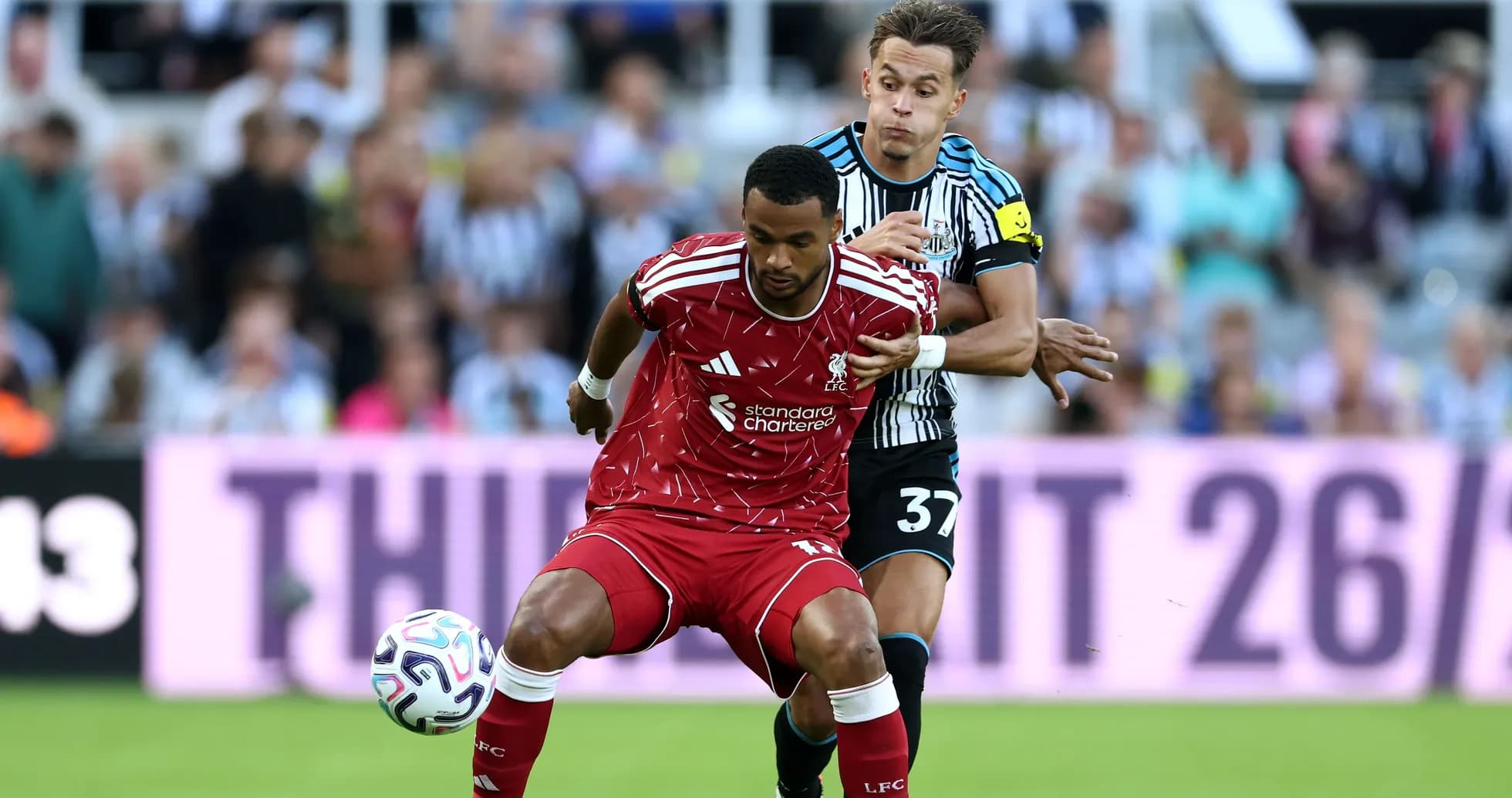
Daniel from Derby wondered about Liverpool's Jeremie Frimpong, born in Amsterdam and representing the Netherlands internationally. Since he spent nine years in Manchester City's academy from 2010 to 2019, he meets the Premier League homegrown criteria.
More details on squad rules can be found on the Premier League website.
How Do Sell-On Fees Operate in Player Transfers?
Nick from Brentford asked about sell-on fees: who pays them and how they work if transfers are paid in parts. Here’s an overview:
- Team A sells a player to Team B for £5m.
- Team B later sells the same player to Team C for £20m.
- The sell-on fee usually applies only to the profit (£15m here). If it's 10%, Team A gets £1.5m.
- The fee is paid alongside the transfer installments. If Team C pays in four parts, Team B pays Team A in four parts too, only after receiving payment.
This is a general practice, but original contracts may require full immediate payment or allow negotiation for upfront fees at a slightly lower amount.